The travel industry is entering the summer season of 2025 with an unexpected twist: a rare dip in overall travel costs, signaling a moment of relief for consumers planning vacations amid ongoing economic uncertainty. According to the NerdWallet Travel Price Index, which synthesizes Bureau of Labor Statistics’ (BLS) Consumer Price Index data, average travel prices are down 2% year-over-year—a notable contrast against the general inflation rate of 2.3% over the same period.
This downward movement in travel costs is not uniform across all categories but represents a broad trend that defies the more typical inflationary pressures seen post-pandemic. As travelers prepare for peak season, understanding where savings exist and where prices continue to climb is essential for making informed decisions.
Airfare Sees Unprecedented Year-Over-Year Decline
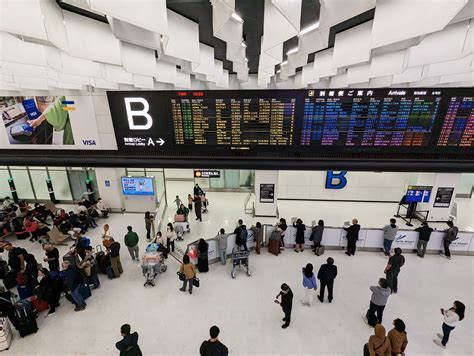
One of the most striking data points is the sharp 7.9% year-over-year drop in U.S. airfares from April 2024 to April 2025. Compared to 2015, airfare prices have plummeted 13.2%, bucking a decade-long trend of rising costs. This deflation in ticket prices, however, comes with a caveat: what appears affordable at first glance often obscures the real cost of air travel today.
The increase in ancillary fees—charges for checked baggage, priority boarding, or seat selection—has fundamentally altered how consumers experience airfare pricing. For example, Southwest Airlines’ upcoming policy change eliminating two free checked bags for tickets booked after May 28, 2025, will further push travelers toward fee-laden experiences.
Month-over-month data shows a modest 1.2% increase from March to April 2025, indicating volatility but staying within range of seasonal adjustments. Travelers may find temporary respite in lower ticket prices, but the erosion of all-inclusive fares continues to reshape expectations.
Hotel Room Rates Drop, Offering Some Relief
Hotels across the U.S. have also joined the downward trend, with average rates down 2.4% year-over-year. Although this decrease is less dramatic than in airfares, it provides a meaningful reduction for budget-conscious travelers.
Despite this dip, hotel prices are still up 21.7% compared to 2015, reflecting long-term inflation in the hospitality sector. More immediately, the month-over-month increase of 2.5% from March to April 2025 shows that while the annual trend is downward, short-term seasonal demands—particularly ahead of summer—are driving prices up.

Travelers booking last-minute or during peak periods should remain cautious. The average decrease does not mean universally lower prices, and regional or city-specific spikes—especially in popular destinations—can easily offset the national trend.
Car Rental Prices Recovering but Still Lower Than Last Year
After being a major pain point during the pandemic, rental car prices are finally stabilizing. While April 2025 showed a 5.5% month-over-month increase, rental rates are still 2.1% lower year-over-year. This reduction signals a normalization in the auto rental industry, which struggled with supply shortages and elevated demand during the pandemic recovery.
Over the last decade, rental car costs have risen 23.9%, making this temporary deflation a valuable opportunity for road-trippers. However, consumers should expect some variability depending on location and inventory availability, especially near airports and tourist hotspots.
Dining Out Becomes a Larger Budgetary Burden
The cost of eating out continues to rise, reflecting broader food service inflation. As of April 2025, prices for food away from home have climbed 3.9% year-over-year, and an astounding 49.2% over the past decade.
This rise significantly outpaces the general inflation rate of 35.6% for all goods over the same 10-year span, underscoring how restaurant dining has become a luxury for many families. For travelers, this trend elevates the importance of budgeting for meals or finding alternative solutions—such as grocery store visits or leveraging accommodations with kitchen access.

Entertainment Costs Climb Above Inflation
Tickets for movies, theaters, and concerts have become increasingly expensive, now 3.4% higher than April 2024, and 38.4% higher than a decade ago. This places entertainment on the higher end of inflation among discretionary spending categories.
For families and individuals planning to enjoy local culture or events during their travels, this may mean fewer paid experiences or a need to prioritize free or lower-cost activities.
How Today’s Travel Costs Compare to Pre-Pandemic Pricing
While many travelers benchmark costs against the prior year, it’s more informative to assess current pricing against pre-pandemic baselines. Compared to March 2019, April 2025 travel prices are only 12% higher, far below the 25.5% overall increase across all consumer goods. This data suggests that travel—unlike groceries, housing, or fuel—has largely stabilized post-COVID.
That said, not all travel experiences are created equal. Fly-and-stay vacations may offer better relative savings compared to driving trips that include frequent dining out or entertainment spending. Understanding the composition of your travel budget is key to maximizing cost-efficiency.
Maximizing Value Through Travel Credit Cards
Even with some price drops, travel is rarely cheap. Savvy travelers are increasingly turning to travel rewards credit cards to offset costs and unlock perks. Many of the top cards in 2025 offer significant cash-back credits, travel insurance, waived baggage fees, and even airport lounge access.
Cards like the Chase Sapphire Reserve® and the Citi Strata Premier℠ offer robust point-earning structures and annual travel credits that can make a substantial difference. For example:
- Chase Sapphire Reserve® offers 10x points on Chase Dining, 5x on flights through Chase Travel, and an annual $300 travel credit.
- Citi Strata Premier℠ provides 10x points on travel portal bookings, 3x on air travel, dining, and supermarkets, and up to $100 in airline incidentals.
These cards also feature other high-value benefits like Priority Pass lounge access or comprehensive trip protection, both of which can make travel more comfortable and cost-effective.
Planning Ahead for Summer 2025 Travel
For travelers building budgets based on 2024 prices, adjusting expectations is crucial. While hotel and flight deals may offer some relief, expect increased costs for food and entertainment. Packing snacks, visiting local grocery stores, and utilizing hotel kitchens can make a sizable dent in food expenses.
Airport lounges—accessible via premium credit cards—provide complimentary snacks and beverages, helping reduce costs in one of the most inflated parts of the journey: the airport terminal.
Additionally, monitoring airline policy changes, such as Southwest’s baggage fee shift, is critical for avoiding last-minute surprises.
Conclusion: A Fragile but Welcome Decline in Travel Prices
May 2025 brings a cautiously optimistic outlook for travel costs in the U.S. With airfares, hotel rates, and rental cars all showing year-over-year decreases, and overall travel costs sitting lower than in April 2024, there is clear evidence of relief in a historically volatile sector.
However, rising expenses in food and entertainment continue to pressure travel budgets. This bifurcation in cost trends requires travelers to adopt smarter planning strategies, leveraging rewards programs, booking early, and selecting destinations thoughtfully.
As we enter the heart of the 2025 vacation season, staying informed, flexible, and intentional about spending will be the key to maximizing enjoyment while minimizing cost.