The Goa Tourism Department has embarked on an ambitious journey to rejuvenate the state’s tourism sector by investing a staggering ₹25 crore in a comprehensive marketing campaign aimed at boosting domestic tourist arrivals across India. This initiative, aptly titled Destination Marketing for Goa Tourism, was recently unveiled through official documents released via the Goa Government’s e-Gazette. As international travel gradually recovers, the focus has shifted toward the domestic market, making this campaign crucial for revitalizing tourism in the region.
With the pandemic’s impact still resonating throughout the global tourism landscape, the Goa government recognized the urgent need to attract more Indian tourists to its picturesque shores. The campaign’s strategic approach includes a robust promotional blitz targeting key Indian cities such as Delhi, Mumbai, Chennai, Bengaluru, Kolkata, Ahmedabad, Hyderabad, and Pune. These cities were meticulously chosen based on their significant travel market potential and historical travel patterns to Goa, ensuring that the campaign resonates with a broad audience eager to explore the beauty of the state.
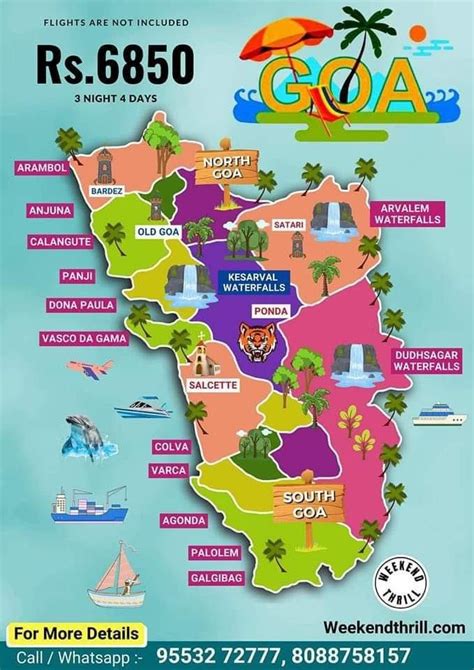
The marketing strategy encompasses a diverse range of advertising channels to maximize visibility and engagement. From digital media to print, radio, airport branding, television, and even metro rail, the campaign covers all bases to capture the attention of potential travelers. Eye-catching visuals depicting Goa’s cultural experiences, adventure opportunities, wellness offerings, and vibrant festivals have been prominently displayed in metro stations across Bengaluru and Mumbai, effectively bringing the essence of Goa to urban commuters. Moreover, colorful hoardings and backlit panels at major airports like Delhi, Mumbai, Hyderabad, Pune, Chennai, and Kolkata have garnered significant attention, enticing travelers to consider Goa as their next destination.
In addition to traditional advertising methods, the campaign emphasizes a strong digital outreach strategy. Platforms such as Facebook, Instagram, YouTube, and Twitter have been harnessed to create engaging, visually appealing content that resonates with tech-savvy travelers. This digital push not only highlights Goa’s iconic beaches but also showcases lesser-known travel gems, including offbeat homestays, adventure programs, heritage trails, culinary experiences, and wellness retreats. By forging partnerships with influencers and utilizing short-form video storytelling, the campaign has successfully tapped into the enthusiasm of millennials and Gen Z travelers, who are eager to explore local experiences post-pandemic.
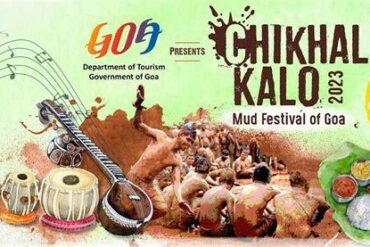
As part of its promotional efforts, the Goa Tourism Department is keenly aware of the importance of cultural tourism and responsible travel. While the state’s stunning beaches remain a major draw, the campaign also seeks to highlight Goa’s rich tapestry of offbeat and cultural destinations. Places such as Chandor, Netravali, Divar Island, and Mayem have been spotlighted, alongside the lesser-known hinterlands and ecotourism attractions. The government has woven messages of responsible and sustainable travel into its promotions, emphasizing the need for conservation of nature, heritage, and community-based tourism. This approach aligns with the evolving preferences of today’s travelers, who prioritize sustainability and meaningful experiences during their journeys.
The results of this extensive marketing initiative are anticipated to be significant, as the government aims to maintain and enhance the state’s tourism economy. Although final figures for domestic tourist arrivals in FY 2023-24 have yet to be announced, preliminary data indicates a notable increase in visitors from the targeted metro cities. The strategies adopted by the Goa Tourism Department signify a deliberate shift toward value-based tourism, moving beyond the traditional sun-and-sand appeal to encompass cultural, heritage, and ecotourism experiences.
“Goa is not just a destination for leisure; we envision it as a year-round tourism hub that offers wellness retreats, vibrant festivals, spiritual experiences, and rural tourism,” stated officials from the state tourism department. This forward-thinking vision is a testament to Goa’s commitment to evolving its tourism identity in the post-pandemic world.
The ₹25 crore campaign represents just one facet of Goa’s overarching strategy to redefine its tourism landscape. Investments in infrastructure development, the pursuit of sustainable tourism certifications, and the preservation of heritage sites are all integral components of this vision. Notably, Palolem Beach in Canacona is set to receive certification, further enhancing its appeal as a destination that prioritizes sustainability.
Looking ahead, the Goa Tourism Department is poised to ramp up its international marketing efforts in the coming fiscal years, particularly targeting core markets such as the UK, Russia, Germany, and the Middle East. However, the domestic sector will remain a critical pillar of the tourism economy, especially in light of geopolitical uncertainties and fluctuations in aviation travel. Through its audacious marketing strategies and regional targeting, Goa is successfully rekindling its allure among Indian travelers and solidifying its position in the future of tourism.
In conclusion, Goa is redefining itself as a multi-faceted destination that transcends its beach-centric image. With a focus on culture, health, and community, the state is not only attracting visitors but also fostering a deeper connection with the land and its people. The Goa Tourism Department’s investment of ₹25 crore in this comprehensive campaign marks a significant step toward a sustainable and vibrant tourism future, ensuring that Goa remains a sought-after destination for travelers seeking unforgettable experiences.