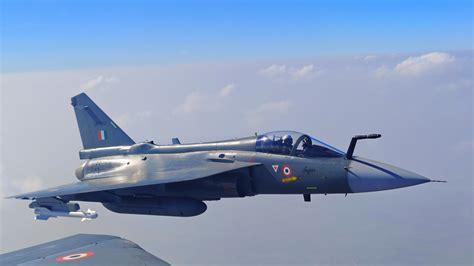
The Indian Air Force (IAF) has reached a landmark agreement with Hindustan Aeronautics Limited (HAL) for the acquisition of 97 Tejas Mk1A fighter aircraft, a deal valued at approximately Rs 60,000 crore. This strategic procurement, expected to be completed by the end of 2025, represents one of the most significant modernisation steps in India’s aviation history. Beyond numbers, the deal is reinforced by DRDO’s Uttam AESA radar, a breakthrough in indigenous defence technology that is set to transform the Tejas Mk1A into a far more formidable platform than its predecessor.
A Historic Milestone for Indian Defence Modernisation
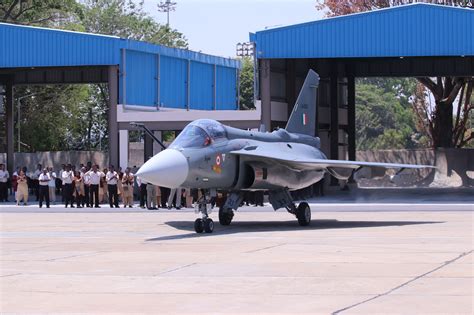
The Tejas Mk1A programme has been at the centre of India’s push for self-reliance in defence manufacturing. The first batch of Tejas Mk1 jets was inducted into the IAF in 2016, but the Mk1A variant introduces extensive upgrades. The new agreement pushes the total number of Mk1A aircraft ordered to 180 units, a scale that demonstrates the IAF’s confidence in the indigenous fighter. This commitment also provides HAL with the critical production volume necessary to streamline its assembly lines and expand its role as a premier global defence manufacturer.
The significance of this deal lies not just in numbers but also in the timing. India faces heightened security challenges in its northern and western theatres. With this order, the IAF strengthens its combat fleet to counterbalance adversaries like China and Pakistan, both of which are modernising their air forces at an aggressive pace. The Mk1A will fill the gap created by the gradual retirement of the MiG-21 fleet, ensuring India maintains an effective frontline fighter capability.
The Technological Edge: DRDO’s Uttam AESA Radar
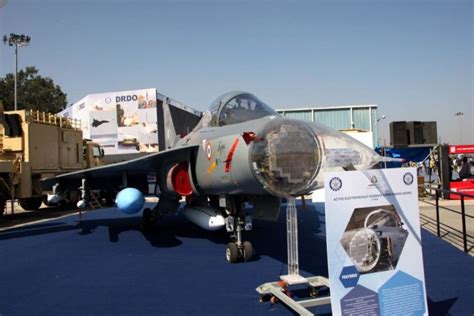
At the heart of this procurement lies the Uttam Active Electronically Scanned Array (AESA) radar, designed and developed by India’s Defence Research and Development Organisation (DRDO). This radar represents a quantum leap from the mechanically scanned radars traditionally employed in fighter aircraft. With the Uttam AESA, Tejas Mk1A gains the ability to detect, track, and engage multiple targets across domains—air, land, and sea—with unparalleled precision.
The Uttam radar has an operational detection range exceeding 150 km, allowing pilots to identify enemy aircraft and incoming threats well before they approach engagement zones. Its capacity to track multiple objects simultaneously provides Tejas pilots with a tactical edge in beyond-visual-range (BVR) combat. Furthermore, being fully indigenous, the radar shields India from foreign supply chain disruptions while offering greater scope for upgrades tailored to national requirements.
Key Features that Differentiate Tejas Mk1A
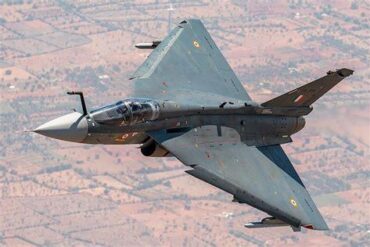
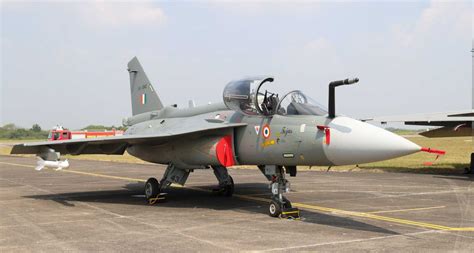
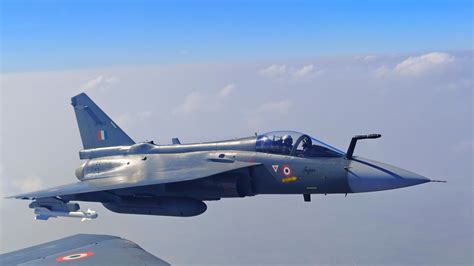
The Mk1A variant is categorised as a 4.5-generation light fighter jet, boasting enhancements that put it leagues ahead of the Mk1 baseline. More than 60% of its components are indigenously sourced, underlining the “Atmanirbhar Bharat” vision in defence production. The features that set the Tejas Mk1A apart include:
- Advanced Electronic Warfare Suite: Enhances survivability by detecting, jamming, and countering enemy radar and missile systems.
- Beyond Visual Range Missiles (BVR): The integration of modern missiles expands its engagement envelope significantly.
- Reduced Radar Cross-Section: Design refinements improve stealth features, making detection by adversary systems more difficult.
- Improved Maintainability: Modular design allows faster turnaround and reduced downtime, essential for high-tempo air operations.
- Digital Fly-by-Wire Controls: Offers precision manoeuvring, enhancing combat agility and pilot control.
These features collectively make the Mk1A a versatile platform, capable of conducting air superiority missions, ground attack, and maritime strike operations with equal efficiency.
HAL’s Production Drive and Challenges Ahead
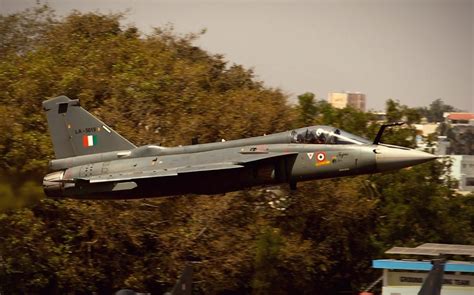
The order for 97 jets places enormous responsibility on HAL to deliver at scale and speed. In recent years, HAL has ramped up its facilities in Bengaluru and Nashik to accommodate higher production volumes. For the Mk1A programme, HAL is working in close coordination with the IAF to streamline assembly lines, minimise bottlenecks, and integrate indigenous subsystems without delays.
One of the immediate challenges is ensuring that production of the Uttam AESA radar keeps pace with aircraft assembly. As this radar becomes the standard fit for Tejas Mk1A, coordination between DRDO and HAL is vital to prevent supply-side delays. Industry experts note that HAL’s success with this order will define India’s reputation as a reliable exporter of combat aircraft in the future.
The Strategic Value of 180 Tejas Mk1A Fighters
With the inclusion of this order, the IAF’s Tejas Mk1A fleet will eventually total 180 fighters. This scale transforms Tejas from a token indigenous project into the backbone of India’s medium-weight combat capability. While aircraft like the Rafale and the upcoming AMCA (Advanced Medium Combat Aircraft) cater to the high-end spectrum, Tejas fills the vital middle layer of the IAF’s fleet structure. It provides numerical strength, flexibility, and operational depth that is essential for sustained air campaigns.
Furthermore, the Tejas programme generates a domestic defence ecosystem involving hundreds of suppliers across India. From avionics to composite materials, the supply chain employs thousands of engineers and workers, boosting India’s industrial base and reducing dependence on imports.
International Implications and Export Potential
The Tejas Mk1A’s advancement significantly raises its export potential. Several countries, including Malaysia, Argentina, and Egypt, have already expressed interest in acquiring the aircraft. With the Uttam AESA radar and advanced avionics, the Mk1A offers performance competitive with Western light fighters but at a fraction of the cost. If HAL meets its delivery timelines for the IAF, it could pave the way for lucrative international contracts, further cementing India’s place in the global defence market.
Strategically, the Tejas Mk1A also allows India to reduce dependency on foreign platforms, particularly Russian jets, which have historically dominated the IAF’s inventory. This diversification not only strengthens India’s strategic autonomy but also ensures operational readiness in a rapidly changing geopolitical environment.
A Force Multiplier for the Indian Air Force
For the IAF, the arrival of the Tejas Mk1A fleet signifies a generational leap. Equipped with indigenous sensors, advanced weapons, and high survivability features, these fighters will form a credible deterrent against regional threats. Their role will not be limited to frontline combat but will extend to training, maritime defence, and joint-force operations, making the Mk1A a true multirole aircraft.
With India’s ambitious defence roadmap, the Tejas Mk1A acts as a bridge to next-generation fighters like the AMCA. The lessons learned in large-scale production, radar integration, and systems testing will directly feed into more advanced platforms, ensuring India’s defence industry matures holistically.
Conclusion: A Defining Step in India’s Defence Journey
The signing of the Rs 60,000 crore deal between HAL and the IAF for 97 Tejas Mk1A fighter jets is far more than a commercial transaction. It is a powerful statement of intent—India’s resolve to modernise its air force, reduce dependence on imports, and achieve technological self-reliance. DRDO’s Uttam AESA radar has emerged as the crown jewel of this endeavour, propelling the Tejas Mk1A into a class of its own among 4.5-generation fighters.
As production ramps up and deliveries begin, the Tejas Mk1A will not only bolster India’s defence posture but also enhance its stature in the global defence market. With a fleet of 180 aircraft on the horizon, the IAF is poised to enter a new era of capability, confidence, and strategic autonomy.