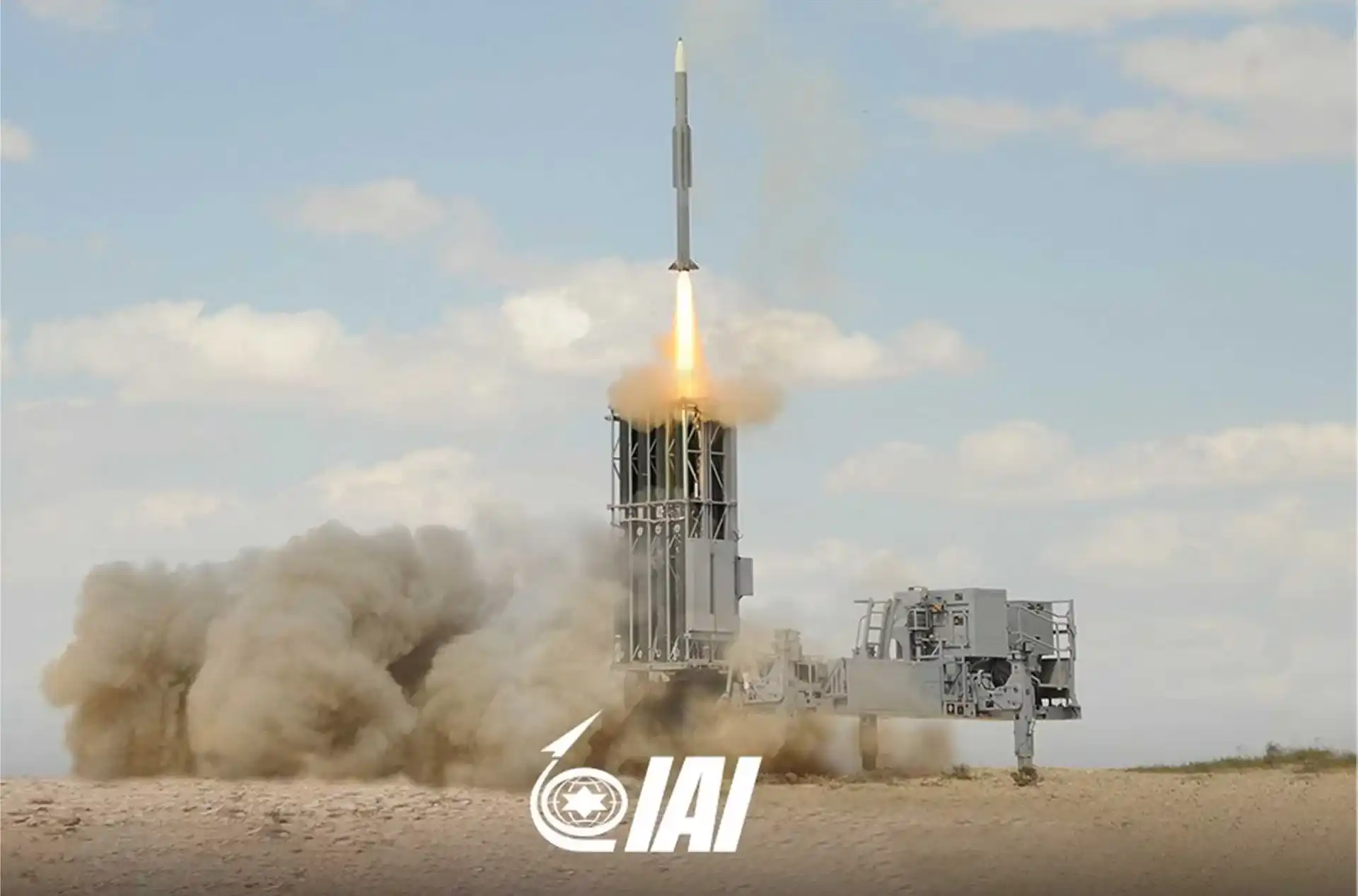
In December 2025, Israel Aerospace Industries (IAI) confirmed a milestone defense export agreement with the Royal Thai Air Force (RTAF), securing the delivery of the Barak MX air defense missile system. This deal marks a transformational step in Thailand’s national defense architecture, enabling the Southeast Asian nation to counter advanced aerial threats with a modern, modular, and networked defense solution. The deal represents not just a transactional purchase, but a strategic evolution in Thailand’s air defense philosophy.
Barak MX: A Modular Shield Against Modern Threats
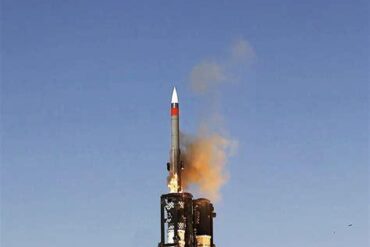
At the heart of the contract lies the Barak MX, an air defense system that exemplifies versatility, mobility, and layered protection. Designed by Israel’s defense juggernaut IAI, the Barak MX offers multi-layered defense against aircraft, drones, cruise missiles, and ballistic projectiles—all wrapped in a compact and mobile package.
The system leverages a flexible architecture built to scale from point defense for individual installations to comprehensive, theater-level protection. With an operational range extending up to 150 kilometers, the Barak MX is engineered to address an evolving spectrum of threats—especially those posed by emerging drone technologies and sophisticated missile platforms.
Three-Tiered Interceptor Arsenal: Range Meets Precision
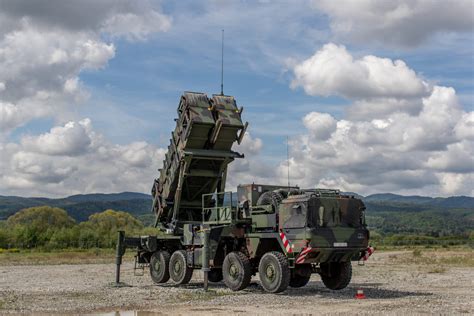
The Barak MX system’s signature strength lies in its three-tiered missile family, each tailored to intercept different categories of threats:
- Barak-MRAD (Medium Range): With a range of 35 km, this variant is designed for short-range interception, ideal for defending tactical formations and smaller assets.
- Barak-LRAD (Long Range): Extending coverage to 70 km, LRAD is effective against aircraft, UAVs, and maneuverable cruise missiles.
- Barak-ER (Extended Range): Capable of striking targets up to 150 km away, this is IAI’s long-reach shield against ballistic and high-speed cruise threats.
All variants are vertically launched and utilize active radar homing guidance, allowing rapid reaction and high maneuverability, especially against fast, evasive, or low-signature targets in complex operational theaters.
Radar Backbone: IAI’s Multi-Mission Radar (MMR)
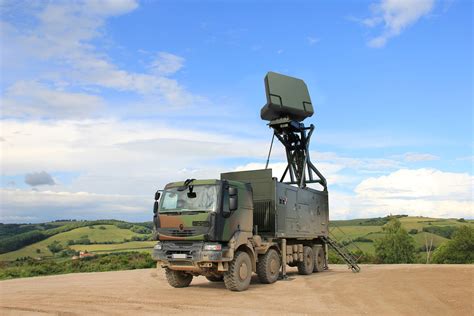
Powering the detection and tracking capabilities of the Barak MX is IAI’s renowned Multi-Mission Radar (MMR)—a robust Active Electronically Scanned Array (AESA) radar system. The MMR is adept at simultaneously tracking hundreds of targets, from ballistic missiles and drones to manned aircraft, even in environments saturated with jamming and clutter.
Operating in the S-band, the MMR is field-proven and used across various Israeli defense systems, including the Iron Dome and David’s Sling, offering shared radar lineage that reinforces interoperability and reliability. The radar’s mobility and adaptability make it suitable for both fixed and mobile air defense deployments.
AI-Driven Command and Control (C2) Capabilities
IAI’s Barak MX isn’t just about hardware; it integrates a sophisticated software-defined command and control (C2) center that makes the system tactically agile. The AI-assisted battle management system processes real-time radar feeds, intelligence inputs, and threat profiles to automate or assist interceptor assignment.
This command suite can be operated autonomously or networked into national and allied defense frameworks, giving it the flexibility to function in standalone missions or act as a node within a larger, multi-national air defense net. Such interoperability is crucial for Southeast Asia, where transnational security cooperation is on the rise.
Thailand’s Strategic Leap Toward Air Superiority
For the Royal Thai Air Force, the acquisition of Barak MX is not merely a defensive measure—it represents a tectonic shift in capability. Thailand’s current air defense array has largely been composed of short-range and legacy systems, which are ill-equipped to address contemporary long-range missile threats and UAV incursions.
The Barak MX brings Thailand into the fold of nations operating modern, medium-range air defense with integrated command, control, and multi-platform response systems. This acquisition enhances Thailand’s ability to:
- Defend critical infrastructure such as airports, command centers, and military bases.
- Shield mobile assets and troop formations during expeditionary or joint operations.
- Engage in regional security cooperation, particularly as Southeast Asia faces rising missile proliferation and UAV deployments from neighboring militaries.
Mobility and Tactical Flexibility in the Field
A defining feature of the Barak MX system is its high mobility. All components—MMR, C2 nodes, launchers, and support equipment—are mounted on wheeled tactical vehicles. This mobile design allows for:
- Rapid deployment in forward or temporary locations
- Quick repositioning to avoid enemy target acquisition
- Flexible coverage across varied terrain, from urban centers to jungle environments
This tactical flexibility is critical in modern combat scenarios where fixed installations are vulnerable and operational unpredictability is the norm.
Local Integration and Long-Term Sustainment
In a bid to deepen defense-industrial ties and enable sovereign maintenance capability, IAI has entered into a long-term cooperation agreement with Thai Aviation Industries (TAI). This pact covers:
- Technical and operational training for RTAF personnel
- On-site maintenance and repair capacity to reduce downtime
- Potential future system upgrades, including AI enhancements and integration with indigenous defense networks
This collaboration is part of a broader trend where client states demand not just procurement but also control over sustainment and lifecycle management, ensuring independence during crisis scenarios.
A Global System with Proven Pedigree
The Barak MX system is no newcomer to the global defense arena. It is already operational in India, Azerbaijan, and Morocco, nations that face a wide range of missile and drone threats. Its export appeal is driven by:
- Combat-proven performance in complex battle zones
- Modular and scalable architecture adaptable to customer-specific threat environments
- Advanced software-defined operations, enabling seamless upgrades and threat database expansions
Thailand’s selection of the Barak MX thus reflects confidence in a battle-tested platform and its compatibility with a rapidly changing geopolitical landscape.
Thailand’s Role in Regional Air Defense Strategy
With this acquisition, Thailand positions itself as a central player in Southeast Asia’s missile defense dialogue. As nations like Vietnam, the Philippines, and Indonesia also modernize their airspace surveillance and defense capabilities, the RTAF’s move acts as a catalyst for broader regional integration.
Moreover, as UAVs and long-range standoff weapons become ubiquitous in the region—driven by Chinese technological exports and North Korea’s missile developments—Thailand’s move is both proactive and necessary. It also potentially opens the door to joint exercises, intelligence sharing, and command interlinking with partners like Israel, the United States, and ASEAN allies.
Conclusion: A Defining Move in Thailand’s Strategic Doctrine
The contract between Israel Aerospace Industries and the Royal Thai Air Force is more than an arms deal—it is the dawn of a strategically mature, technologically advanced air defense capability for Thailand. From interceptor flexibility to AI-driven coordination, the Barak MX system introduces an entirely new dimension to Thailand’s defense posture.
With deliveries set to begin in phases, the Thai military enters a new era of layered defense, empowered by proven Israeli technology and a local support ecosystem ready to maintain and evolve it for decades to come.