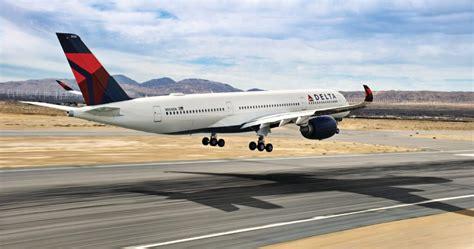
On May 27, passengers of Delta Flight 279 from Naples to Atlanta faced a disorganized, exhausting ordeal that spotlighted deep cracks in the airline’s customer service protocols. After sitting stranded on the tarmac for more than seven hours due to rolling mechanical delays, the flight was eventually canceled outright. What followed was not just a failure of logistics—it was a near-total collapse of basic passenger care and responsibility.
Delta 279: From Takeoff to Turmoil
What began as a routine international flight quickly devolved into a frustrating standstill. Passengers began boarding at 9 a.m., anticipating a transatlantic journey. But by 9:30 a.m., rolling delays began to set in, attributed vaguely to mechanical issues. This dragged on for seven hours, during which time travelers were held in limbo, uncertain whether their flight would ever depart.
At approximately 5 p.m., the final announcement came: Flight 279 was canceled. Passengers, now weary and jet-lagged before even leaving the ground, were told to wait for hotel vouchers while Delta scrambled to manage the fallout of the cancellation.
A Hotel Debacle Unfolds
What happened next only compounded the chaos. At 6:30 p.m., two buses arrived and began transporting the approximately 200 displaced passengers to a hotel located a dozen miles from Naples Airport. Spirits were cautiously optimistic—at least there would be rest, food, and a chance to regroup for onward journeys.
That illusion shattered on arrival. Travelers quickly learned that only 13 rooms had been booked by Delta for the entire flight’s worth of passengers. As confusion gave way to frustration, the buses—without warning or any alternate plan—left the hotel, abandoning the vast majority of passengers in the parking lot, along with their luggage.
Chaos in the Lot: No Rooms, No Transport, No Help
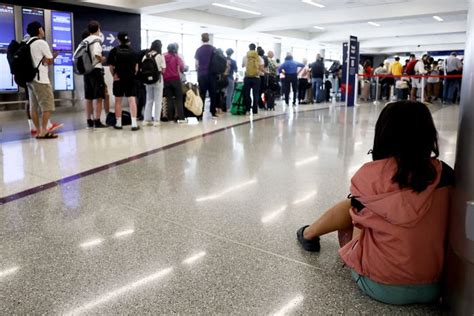
The parking lot outside the suburban Naples hotel turned into a surreal scene: confused families, elderly travelers, and exhausted individuals sitting among their suitcases, with no rooms and no way back. Many began frantically calling taxis, hunting down available accommodation in a foreign country, entirely at their own expense. For those without international data or currency, the situation was particularly dire.
Despite the visible breakdown in support, a Delta spokesperson would later claim that “all necessary accommodations were made… including hotel, transport, and meals.” That phrase—“necessary”—is doing a lot of heavy lifting.

EU261: What Delta Owes, But May Not Deliver
Under EU261, a European regulation that outlines airline obligations for delays and cancellations, each passenger on Delta Flight 279 is likely entitled to €600 in cash compensation. In addition, Delta is responsible for the cost of hotel accommodation, meals, and ground transportation. Importantly, receipts for out-of-pocket expenses must be reimbursed.
That legal requirement, however, is often where theory and practice diverge. In recent years, Delta has faced scrutiny for its handling of such obligations—none more dramatically than in the United Kingdom, where enforcement of unpaid claims has taken theatrical turns.
Bailiffs, Seizures, and Legal Dramas: When Airlines Refuse to Pay
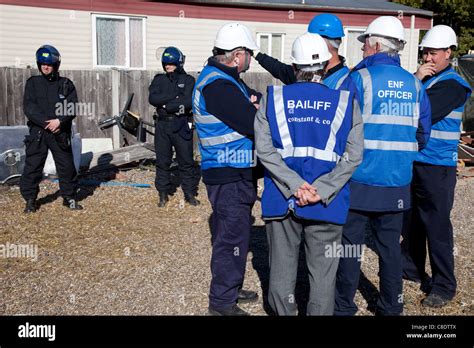
Delta’s failure to honor a $3,400 compensation debt at London Heathrow once prompted a court-authorized team of bailiffs to halt check-in and threaten seizure of a Delta aircraft. That aggressive enforcement tactic—rare but entirely legal—serves as a warning to airlines that EU261 is not optional.
In another case involving Wizz Air, bailiffs showed up at London Luton Airport to collect on a refund. Their presence led to a flight delay, which in turn triggered new compensation obligations under the very law they were enforcing.
Social Media Erupts as Delta Faces Outrage
News of Delta’s mishandling of Flight 279 spread rapidly across social media. A viral TikTok by @callmemomoney, one of the affected passengers, captured the surreal and unjust moments outside the hotel. Her video, set to melancholy audio, showed passengers wandering aimlessly in the parking lot while Delta’s buses vanished into the distance.
“Do better, @delta. This is absolutely ridiculous…” she captioned the clip. It struck a chord with thousands of viewers and reignited a broader conversation about how international airlines handle customer care in crisis situations.
Corporate Denial Meets Public Disbelief
Delta’s official response to the incident has only deepened passenger frustration. Rather than offering a sincere apology or transparent explanation, the airline leaned into corporate vagueness. Their statement that all services were “provided as necessary” flies in the face of firsthand accounts and video evidence.
Moreover, there has been no confirmation from Delta on whether they plan to proactively compensate affected passengers. That places the burden squarely on customers to file claims, submit receipts, and potentially pursue legal recourse—a daunting process that many may be too exhausted or disillusioned to navigate.
Crisis Mismanagement: A Pattern, Not An Exception
Unfortunately, Flight 279’s failure is not an isolated case. Airlines—Delta included—have increasingly leaned on vague PR language and after-the-fact explanations to avoid immediate accountability. But the underlying issues: overbooking, poor communication, underprepared ground support, and a lack of backup lodging arrangements, continue to repeat with disturbing frequency.
These incidents highlight a clear disconnect between airlines’ profit-driven operations and their legal and ethical responsibilities to passengers. While Delta’s branding touts global reliability, the reality on the ground in Naples paints a very different picture.
What Happens Next: Accountability or Another Shrug?
As of this writing, Delta claims it is “looking into” why passengers were left outside without rooms or return transportation. That noncommittal phrasing doesn’t inspire much hope for real change. What’s more likely is that the airline will deal with complaints on a case-by-case basis, offering reimbursements only to those who submit sufficient documentation and persist through frustrating customer service barriers.
In Europe, however, enforcement agencies and court-backed collection teams—like private bailiffs—offer a more aggressive path to accountability. If enough passengers file for their €600 compensation, Delta may be forced to act, not out of goodwill, but from the hard edge of legal pressure.
The Real Cost of a Cancelled Flight
Behind every flight cancellation lies a ripple effect of personal stories—missed weddings, funerals, business deals, vacations turned to stress. The tale of Delta 279 is one of avoidable disruption, corporate indifference, and the enduring resilience of travelers forced to fend for themselves.
For the 200 passengers left stranded in a hotel parking lot, the experience was a harsh reminder that even major airlines can fail at the most basic level: taking care of the people who trust them to fly. Their journey didn’t just end at the gate—it descended into a case study in how not to handle a crisis.
As legal pressure builds and more passengers come forward, the story of Delta Flight 279 could become a turning point in the conversation about airline accountability, particularly for U.S. carriers operating under EU laws. But for that to happen, affected travelers will need to fight—not just for their refunds, but for an industry that treats people as more than a spreadsheet inconvenience.
Until then, the echoes of rolling delays, absent hotel rooms, and stranded passengers serve as a warning: Airline reputations are built in times of crisis. And this time, Delta fell catastrophically short.