A tragic helicopter crash in Sri Lanka has claimed the lives of six military personnel during a passing-out ceremony exercise. The incident occurred on May 9, 2025, when a Bell 212 helicopter plunged into the Maduru Oya Reservoir in the country’s North Central Province, approximately 280 kilometers (175 miles) northeast of the capital, Colombo.
The Incident
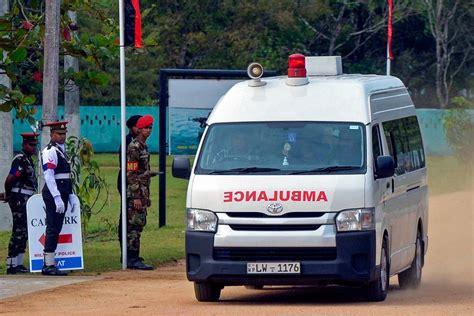
According to Air Force spokesperson Eranda Geeganage, the Bell 212 helicopter was transporting 12 personnel from the Sri Lankan Army and Air Force for a military pass-out event. This particular exercise, known for its precision and physical demands, was intended to showcase the agility and coordination of the forces involved. Tragically, the demonstration took a catastrophic turn when the helicopter, reportedly conducting a grappling exercise, crashed into the reservoir. Local sources confirm that all 12 individuals were initially recovered alive and rushed to nearby medical facilities, but six later succumbed to their injuries.
“The helicopter was assigned to conduct a grappling exercise at a passing-out parade. Four special forces personnel and two Air Force gunmen died of their injuries,” Geeganage told Reuters, reflecting the deep loss felt by the military community.
Aircraft Details and Background
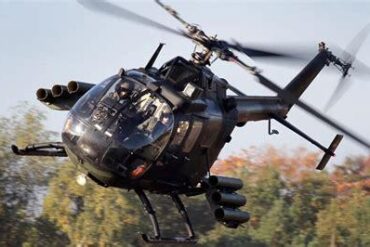
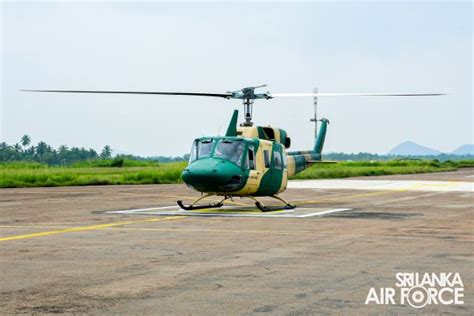
The Bell 212 is a highly versatile twin-engine helicopter widely used in both military and civilian roles. Known for its reliability in challenging environments, it has been a staple in military operations around the world since the 1970s. Capable of carrying up to 14 passengers in addition to its two-pilot crew, the Bell 212 can perform a range of missions, including troop transport, medevac, and special operations. Despite this reputation for durability, it is not immune to the hazards of intense, low-level maneuvers such as those involved in grappling exercises.
The Sri Lankan military has relied on the Bell 212 for various roles, including reconnaissance, search and rescue, and tactical troop deployment. This particular aircraft was likely chosen for its maneuverability and lifting capacity, essential for exercises that involve rapid troop insertion and extraction.
Investigation and Immediate Reactions
As of now, the cause of the crash remains under investigation. Sri Lankan military officials have not yet released a formal statement on the potential mechanical or human factors that might have contributed to the incident. However, aviation experts suggest that such accidents often involve a complex interplay of factors, including weather conditions, pilot experience, and aircraft maintenance. Given the helicopter’s apparent descent into the reservoir, investigators will likely examine flight data, maintenance records, and eyewitness accounts to determine the precise sequence of events.
The Human Cost
For the families and colleagues of the fallen, this tragic incident is a stark reminder of the risks that military personnel face even outside of active combat. The loss of four special forces members and two Air Force gunners represents a significant blow to the operational strength and morale of the Sri Lankan armed forces. As these soldiers were participating in a highly publicized passing-out event, their deaths resonate deeply within the broader military community.
Historical Context of Military Accidents in Sri Lanka
Military aviation accidents are not entirely new to Sri Lanka, a nation that has endured decades of internal conflict and security challenges. The Sri Lankan Air Force, in particular, has a history of both combat and non-combat losses. These incidents often prompt broader conversations about the need for enhanced pilot training, better equipment maintenance, and more rigorous safety protocols.
Moving Forward
In the wake of this tragedy, military officials have vowed a comprehensive investigation aimed at uncovering the precise cause of the crash. The findings will likely influence future operational guidelines, potentially leading to improved safety measures for aerial demonstrations and troop transport missions. Meanwhile, the military community mourns the loss of six dedicated servicemen whose lives were cut short in the line of duty.
“We deeply regret the loss of our brave men. Their service and sacrifice will not be forgotten,” a senior military official told local media, reflecting the somber mood that now envelops the nation.
As Sri Lanka grapples with the aftermath of this tragedy, the nation is once again reminded of the inherent dangers that accompany military service, even in moments meant to showcase skill and honor.