A German military helicopter crashed into the Mulde River in Saxony on Tuesday morning, triggering a large-scale emergency response and sparking an investigation into the cause of the accident. According to a spokesperson for the German Air Force (Luftwaffe), the aircraft had been on a training flight when it went down. As of now, no confirmed fatalities or injuries have been reported.
Eyewitness Reports and Initial Discovery
The incident unfolded between 10:00 and 10:30 a.m., when air traffic controllers reportedly lost radar contact with the helicopter. Just an hour later, at approximately 11:30 a.m., local police received reports from paddlers on the Mulde River who had noticed aircraft debris in the water. Authorities immediately mobilized federal, state, and water police units, with specialized divers dispatched to the scene.
Challenges in Accessing the Wreckage
Emergency crews have faced significant obstacles in reaching the wreck, citing difficult terrain and water conditions. “Accessing the wreckage has proven challenging due to its position in the river and the nature of the debris spread,” said a spokesperson for the Leipzig District Fire Brigade. Specialized equipment, including floating barriers and cranes, has been brought in to aid recovery efforts.
In addition to the wreck recovery challenge, large quantities of kerosene fuel were reported to have leaked into the Mulde River. To mitigate environmental hazards, more than 50 emergency personnel were deployed to contain the spill using absorbent barriers and prevent further contamination.
Bundeswehr Response and Securing the Site
The Bundeswehr quickly established a restricted military zone around the crash site, preventing unauthorized access and securing the area for investigative purposes. This measure reflects the military’s protocol in safeguarding sensitive equipment and data that might still be on board. Military police and Bundeswehr personnel remain on-site, coordinating with civilian responders to ensure operational safety.
The Aircraft: A BO105 Utility Helicopter
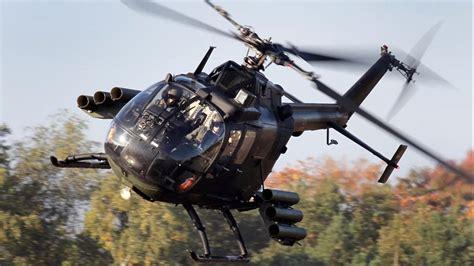
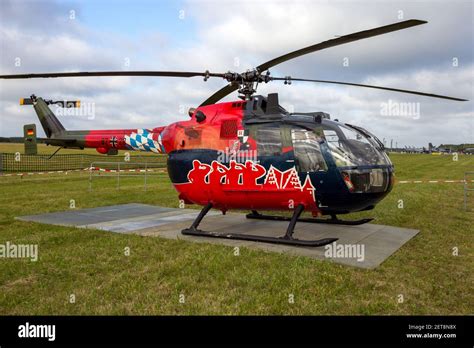
While official confirmation of the helicopter type has not been made, early reports suggest the downed aircraft could be a BO105 – a light, twin-engine utility helicopter long used by the German military for reconnaissance, training, and anti-tank operations. The BO105, manufactured by MBB (Messerschmitt-Bölkow-Blohm) and later Eurocopter, is known for its agility, reliability, and ability to perform low-level flight maneuvers. The type has served the Bundeswehr for decades, though many units have been gradually phased out and replaced by newer models.
The helicopter’s presumed role during this flight was training, as per the Air Force spokesperson. Training flights often involve complex maneuvers at low altitudes, which can increase the risks associated with flight operations.
Investigative Efforts: Determining the Cause
A multi-agency investigation is underway to determine what caused the helicopter to crash. Authorities are examining mechanical failure, pilot error, and environmental conditions as possible contributing factors. Investigators will also analyze flight data logs, maintenance records, and communications between the crew and air traffic controllers.
According to early statements from officials, weather conditions in the region were relatively stable at the time of the incident, ruling out severe weather as an immediate cause. However, low-level fog in certain areas along the Mulde River may have reduced visibility during flight.
The Role of Witness Accounts
Eyewitnesses play a crucial role in piecing together the timeline of the crash. Paddlers who first noticed wreckage in the water described scattered debris along a stretch of the river, suggesting a possible midair breakup or hard impact that caused the helicopter to disintegrate on contact. Police are collecting testimonies and reviewing any available video or photographic evidence from nearby residents or bystanders.
Environmental Concerns: Kerosene Spill Containment
The leakage of kerosene into the Mulde River has raised serious environmental concerns. Kerosene is highly toxic to aquatic ecosystems, and local authorities have deployed booms and absorbent pads to prevent the spread of contamination downstream. Environmental agencies are monitoring water samples to assess the extent of the damage and will likely initiate a long-term remediation process.
Bundeswehr Helicopter Safety Record
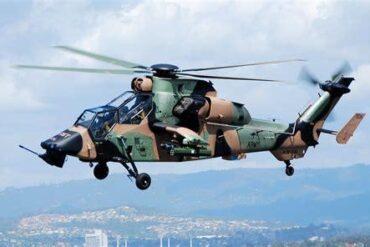
While the Bundeswehr operates a modern fleet of helicopters, including NH90 transport helicopters and Tigers for combat roles, the BO105 remains one of its older models. The helicopter has an established safety record but is not without its risks, particularly given its age and the demands of military training exercises. Historically, helicopter operations in the German military have been subject to scrutiny following a series of non-combat accidents over the past decade, prompting calls for enhanced safety measures.
Political and Public Reactions
The crash has triggered a swift response from German defense officials, with Defense Ministry representatives expressing their concern and assuring the public of a thorough and transparent investigation. Local leaders in Saxony have also voiced their support for the emergency teams working under difficult conditions. Public sentiment has been a mix of relief that no casualties have been confirmed and concern over the continued use of aging helicopter models in demanding roles.
Looking Ahead: Safety and Fleet Modernization
The incident raises broader questions about the future of the Bundeswehr’s helicopter fleet. As Germany continues to modernize its military aviation capabilities, crashes involving legacy platforms like the BO105 underscore the urgency of replacing older aircraft with more advanced systems. Experts suggest that the findings from this investigation could influence procurement and training policies going forward.
Military aviation analysts predict that the Bundeswehr will likely accelerate its plans to phase out older helicopters while investing in upgraded platforms better suited to modern operational demands. Additionally, this accident could lead to a review of training protocols, particularly for low-altitude flight exercises in complex terrain.
Conclusion
The crash of a German military helicopter into the Mulde River in Saxony marks a serious incident that underscores the inherent risks of military aviation operations. With emergency crews working tirelessly to secure the wreckage and contain environmental hazards, the focus now shifts to determining the root cause of the crash. As the Bundeswehr and civilian authorities continue their investigation, the incident is likely to spark discussions about fleet modernization, training safety, and the broader operational readiness of Germany’s air force.
This investigation will not only provide closure for the affected personnel and their families but may also influence long-term policy decisions on the future of German military aviation.