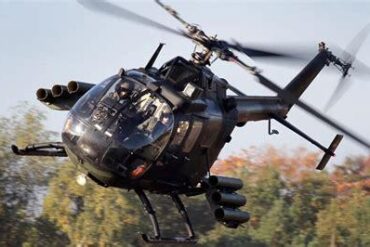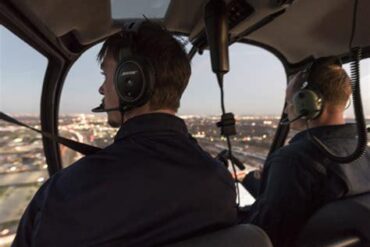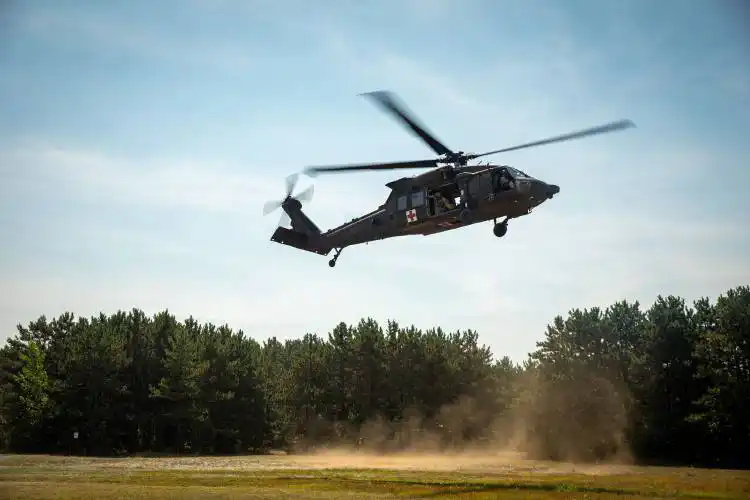
Military helicopter training operations are currently underway in the Concord area, with the 10th Combat Aviation Brigade conducting intensive flight exercises designed to prepare U.S. Army aviation units for operations in mountainous and high-altitude environments. The training began on Sunday and will continue through August 13, with aircraft operating near Concord Municipal Airport and the expansive White Mountain National Forest.
Training in High-Altitude Conditions
The decision to conduct exercises in the White Mountain region is rooted in its unique environmental characteristics. High-altitude flying imposes distinct aerodynamic and mechanical challenges for helicopters, influencing lift capability, engine performance, and rotor efficiency. As Captain Daniel Andrews, public affairs officer for the 10th Combat Aviation Brigade, explained, helicopters require adjusted power management and maneuver strategies in thinner air.
“Helicopters behave differently in high altitude, and it affects how much power they are able to exert over the aircraft,” Andrews stated. This type of environment forces pilots and crews to refine precision flight skills, adjust approach angles, and maintain situational awareness in unpredictable weather patterns, often encountered in mountainous regions.
Increased Helicopter Activity in Concord
Local residents can expect a noticeable increase in low-altitude helicopter activity during the training window. The Army has advised that the aircraft will operate closer to the ground than typical commercial flights, which will make them more visible and audible. The 10th Combat Aviation Brigade emphasized that all operations are part of routine, pre-planned exercises that are fully coordinated with relevant authorities.
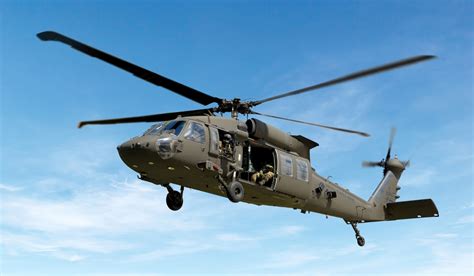
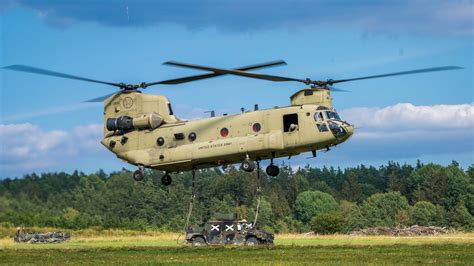
The Concord Municipal Airport serves as a critical staging point for this training cycle, providing fuel, maintenance, and logistical support for the brigade’s diverse helicopter fleet. These include UH-60 Black Hawks, CH-47 Chinooks, and potentially AH-64 Apaches, each serving a specific operational role from troop transport and cargo movement to armed reconnaissance and close air support.
Operational Readiness After Deployment
The 10th Combat Aviation Brigade, based out of Fort Drum, New York, is one of the most frequently deployed Army aviation units. The brigade recently returned from an overseas mission in the Middle East, where it provided tactical airlift, reconnaissance, and close support to ground forces.
“This training is kind of just a part of resetting from that deployment and getting ready for the next step, whether that be future deployments or whatever the U.S. Army calls on us to execute,” Andrews noted. The post-deployment phase is a crucial period in military readiness cycles, allowing personnel to recalibrate their skills, integrate lessons learned from recent missions, and prepare for emerging global contingencies.
Importance of Mountain Aviation Training
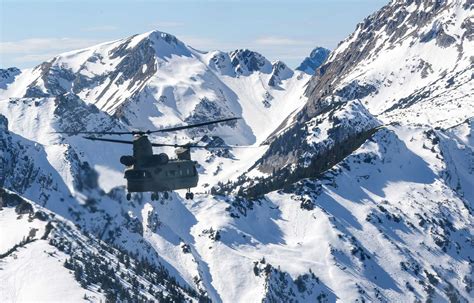
Mountain flying is a specialized skill set within military aviation. Pilots must contend with rapidly changing weather, narrow valleys, and steep terrain that can severely restrict maneuverability. High-altitude conditions also impact engine output and rotor lift, requiring precise control inputs and continuous performance monitoring.
Additionally, mountain operations often involve aeromedical evacuations, sling-load cargo delivery, and special operations insertions, where the margin for error is minimal. Training in the White Mountain National Forest allows pilots and crews to rehearse these scenarios in an environment that closely replicates conditions they might encounter in global hot spots, from the Hindu Kush in Afghanistan to the Andes in South America.
Impact on the Local Community
While the increased helicopter activity may draw attention from Concord residents, officials have stressed that the exercises pose no risk to public safety. In fact, these operations offer an opportunity for the public to witness military aviation capabilities in action. The Army maintains strict adherence to flight safety protocols, noise abatement procedures where possible, and environmental guidelines.
Local businesses near the Concord Municipal Airport may also see indirect economic benefits during the training period, with Army personnel requiring accommodations, dining, and services.
The 10th Combat Aviation Brigade’s Role in U.S. Army Operations
Known as the “Falcons”, the 10th Combat Aviation Brigade is a vital component of the U.S. Army’s rapid deployment force. Its mission capabilities include:
- Aerial Assault: Delivering troops directly into contested areas.
- Air Movement: Transporting equipment, vehicles, and supplies.
- Reconnaissance: Gathering battlefield intelligence from the air.
- Close Air Support: Providing armed escort and suppressive fire.
- Medical Evacuation: Rapidly transporting wounded personnel to medical facilities.
The brigade’s aircraft and personnel are often among the first deployed in a crisis, offering the Army a highly mobile, flexible combat and support capability.
Historical Context of Training in New England
Military aviation training in New England has a long history, with the region’s varied terrain offering ideal conditions for both fixed-wing and rotary-wing operations. The White Mountains, in particular, present natural challenges that are invaluable for testing both crew endurance and aircraft performance.
In the past, similar exercises have been conducted in Vermont’s Green Mountains and the Adirondacks of New York, but the White Mountain National Forest remains a preferred training site due to its altitude range, climate variability, and accessibility from Fort Drum.
Environmental and Safety Considerations
Before conducting operations in sensitive natural areas, the U.S. Army coordinates with environmental agencies to mitigate impacts on wildlife and public recreation. Flight paths are planned to minimize disturbance to hikers, campers, and local fauna, particularly nesting birds and other species sensitive to rotor noise.
The Army also incorporates risk management protocols to address challenges posed by sudden weather changes, downdrafts, and visibility limitations often encountered in mountainous environments. Aircraft maintenance crews remain on standby to address any technical issues that arise during the training window.
Preparing for Future Missions
While the current training is focused on mountain flying, the skills being honed have far broader applications. High-altitude helicopter proficiency can be critical in humanitarian missions, disaster relief, and search-and-rescue operations, particularly in areas affected by earthquakes or landslides where access is limited.
By conducting such realistic training scenarios, the Army ensures that its aviation units remain versatile, resilient, and capable of responding to crises both at home and abroad.
Outlook
As the training continues through August 13, residents of Concord and nearby communities will likely hear and see Army helicopters more frequently. For the soldiers of the 10th Combat Aviation Brigade, these flights represent not just routine drills but essential preparation for the unpredictable demands of modern military operations.
Through precision training in challenging environments like the White Mountains, the brigade strengthens its ability to operate anywhere in the world — from high-altitude battlefields to disaster zones — ensuring readiness to respond whenever and wherever the nation calls.