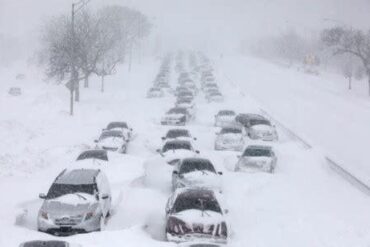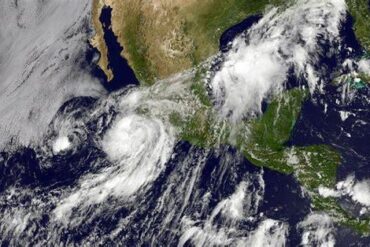
Air travel thrives on precision—tight schedules, synchronized crews, and weather windows that behave. A Winter Storm Warning shatters that balance. As Winter Storm Fern barrels toward the South, Midwest, and Northeast, airlines are bracing for a cascade of delays, cancellations, and ground stops starting Friday. For travelers staring at a weekend boarding pass, the real question isn’t whether disruption is possible. It’s whether rebooking now is the smarter move than rolling the dice at the gate.
Forecasts from the National Weather Service Weather Prediction Center describe a large, long-duration winter system delivering snow and freezing rain from the Southern Rockies to New England. That breadth matters. When weather spans multiple hubs and feeder airports, knock-on effects multiply. Aircraft and crews get out of position, de-icing queues lengthen, and recovery stretches into days. In these conditions, even a flight departing from clear skies can be delayed because the aircraft or crew is stranded elsewhere.
Airlines know this math. That’s why travel waivers are already in place, lifting change fees and widening rebooking windows. Waivers are a pressure valve: they reduce last-minute airport chaos and give passengers flexibility without penalty. Exercising that flexibility early often means better options—more seats, cleaner routings, and fewer overnight surprises.
By the third paragraph, it’s worth grounding the decision in reality at the airport level. De-icing trucks become the most valuable equipment on the field, runway acceptance rates drop, and air traffic control institutes flow control to keep congestion from spiraling. Capacity reductions are not a failure of preparation; they’re the safety margin doing its job. When snow intensity spikes or ice accretes faster than crews can clear it, ground stops follow.
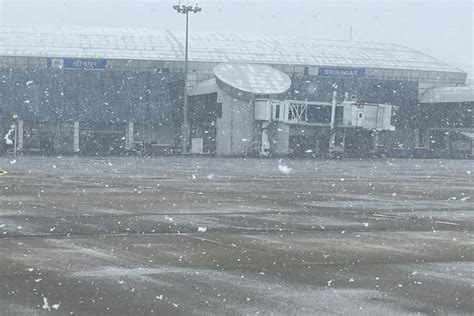
How Winter Storm Fern Disrupts Airport Operations
Winter storms don’t just slow planes; they reconfigure the system. Snowfall and freezing rain degrade braking action, forcing longer landing intervals. De-icing adds time at the gate and can expire if precipitation intensifies, sending aircraft back for a second treatment. Meanwhile, staffing constraints—ramp agents working in hazardous conditions—limit throughput. Airports around New York felt this last weekend, with JFK, LaGuardia, and Newark issuing ground stops that rippled nationwide.
The National Weather Service estimates over 160 million Americans are under winter hazards tied to this storm. That scale increases the odds that even well-timed departures face enroute holds or diversion risk. In practice, that means missed connections and aircraft swapping—two common triggers for cascading delays.
Airline Travel Waivers: What They Actually Give You
Waivers are not identical, but they share a goal: free rebooking within defined windows and eligible airports. Major US carriers have outlined impacted dates and rebooking periods that stretch beyond the storm’s peak, giving travelers room to slide plans forward or back. Some waivers also permit route changes within the same region, which can be decisive when a single hub is hardest hit.
| Airline | Impacted Travel Dates | Free Rebooking Window | Eligible Airports |
|---|---|---|---|
| American Airlines | Jan 23–25 | Jan 21–28 | 34 |
| Delta Air Lines | Jan 23–25 | Through Jan 28 | 41 |
| Southwest Airlines | Jan 23–26 | Within 14 days | 46 |
| United Airlines | Jan 24–26 | Jan 21–29 | 35 |
| JetBlue | Jan 24–26 | Through Jan 31 | 11 |
| Frontier Airlines | Jan 23–26 | Not specified | 36 |
| Spirit Airlines | Jan 23–26 | Through Jan 31 | 19 |
Exercising a waiver early tends to be advantageous. Inventory shrinks as the weekend approaches, and same-day rebooking during irregular operations often means middle seats, red-eyes, or multi-stop itineraries.
Should You Rebook or Risk It?
The decision hinges on flexibility, tolerance for delay, and trip purpose. Non-essential travel—weekend getaways, discretionary visits—benefits most from proactive rebooking. Business-critical trips or fixed events complicate the calculus, but even then, shifting to an earlier or later window can improve reliability.
Consider the operational reality: airlines prioritize clearing the backlog once weather eases, not preserving individual itineraries mid-storm. If your flight cancels, options compress fast. Rebooking now leverages calm before the storm; waiting bets on luck against physics.
Know Your Passenger Rights During Weather Disruptions
Winter storms are classified as weather-related disruptions, not airline-controlled events. That distinction matters. Airlines are legally required to offer a refund or alternative travel if they cancel or significantly change a flight, but hotels, meals, and cash compensation are generally not mandated. Some carriers extend goodwill accommodations, yet policies vary.
Regulatory efforts to expand passenger protections have fluctuated in recent years, leaving travelers best served by policy awareness and timing. A voluntary rebooking under a waiver can avoid the gray area entirely, preserving choice rather than negotiating after the fact.
A Practical Bottom Line for Weekend Travelers
Winter Storm Fern is not a pop-up squall; it’s a systemic stress test for the network. When storms span multiple regions, the safest bet is to act early. Rebooking under a waiver reduces uncertainty, protects your time, and often yields better seats and routes. Riding it out may work—but the odds favor disruption, not smooth sailing.
Air travel during winter is always a negotiation with the atmosphere. This weekend, the atmosphere is holding the stronger hand.