Travel is no longer a simple matter of moving from one city to another. It has evolved into a sophisticated system of logistics, engineering, psychology, and timing. We approach flying not as a passive experience, but as a strategic process where knowledge becomes a real, measurable advantage. The difference between a smooth, efficient journey and a chaotic, exhausting one often lies in small, overlooked details. These are not the obvious “arrive early” clichés. These are the insider-level mechanics of airport ecosystems, airline policies, and cabin-level strategies that transform how we move through the skies.
The modern traveler faces a landscape shaped by unpredictable weather systems, congested airspace, dynamic pricing algorithms, and complex international regulations. Understanding this environment gives us leverage. We stop reacting to travel and start controlling it. The goal is not merely speed, but stability, comfort, and control. Each decision we make before boarding the aircraft creates downstream effects that influence everything from seat comfort to compensation eligibility.
There is a quiet confidence that comes from knowing how the system actually works. Once we understand the operational logic behind lounges, delays, security queues, and even cabin humidity, we move from being passengers to being tacticians. The following strategies are designed for travelers who want that level of mastery.
Leverage Airline Alliances for Strategic Lounge Access
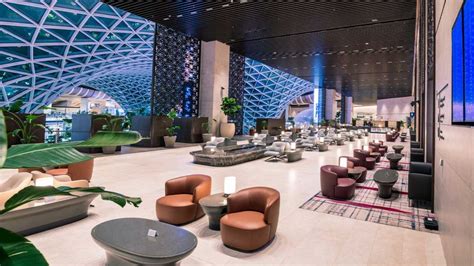
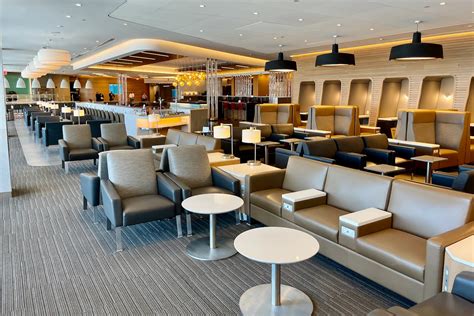
Airport lounges are not just places to sit; they are tactical assets. We treat lounge access as part of our broader flight architecture. When we belong to a major alliance, whether through Star Alliance, oneworld, or SkyTeam, we gain access to more than just a single branded space. The mistake many experienced travelers still make is defaulting to the lounge operated by their ticketed airline. That approach is comfortable, but not optimal.
Airline alliances operate as networks, and their lounges function as overlapping territories. In practice, this means one boarding pass can unlock multiple high-quality environments within the same terminal. The difference between lounges can be dramatic. Some offer crowded seating and mediocre food, while others provide restaurant-level dining, runway views, private relaxation areas, and genuinely calm environments.
At large global hubs, the real advantage comes from “lounge-hopping.” This is the practice of intentionally visiting the best-in-class lounges rather than the most convenient ones. At London Heathrow’s Terminal 3, for instance, we can move between American Airlines lounges, British Airways spaces, Cathay Pacific lounges, and the highly regarded Qantas Lounge. Each space delivers a different experience, and knowing which ones prioritize food quality, privacy, or ambiance allows us to engineer our pre-flight time precisely.
Airports such as Singapore Changi and Bangkok Suvarnabhumi are particularly valuable for this strategy. Their terminals are interconnected, and the density of alliance lounges allows us to sample multiple premium environments in a single visit. Done right, this transforms layovers into restorative experiences rather than wasted time.
Avoid the Trip Insurance Documentation Trap
Flight delays are no longer rare disruptions; they are operational realities. However, the financial systems designed to protect us are often misunderstood. Premium credit cards provide trip delay insurance that can reimburse hotel stays, meals, and essential purchases when flights are delayed or canceled. The hidden trap is not eligibility, but documentation.
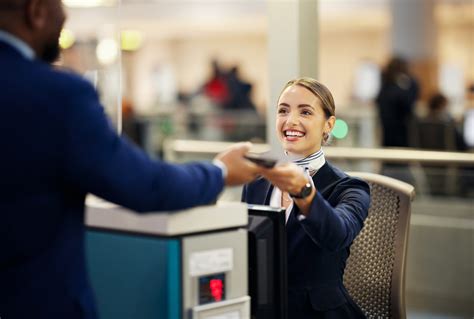
Most travelers assume that screenshots of delayed flights or generic email notifications are enough. They are not. Insurance providers require an official document issued by the airline: a printed Statement of Delay. This document must specify the reason for the disruption, such as operational constraints or mechanical issues. Without this piece of paper, even perfectly valid claims can be denied.
The critical insight is timing. We must request this document while we are still physically in the airport. Gate agents rarely offer it proactively, because their workload increases significantly during disruptions. A polite but firm request ensures that we walk away with the evidence needed to unlock full insurance benefits. Once we leave the airport, recovering this document becomes extremely difficult.
We also protect ourselves by keeping itemized receipts for every expense. A simple card receipt is not enough. We preserve the detailed breakdown because insurers verify that each claimed expense falls within covered categories. This approach turns a chaotic delay into a controlled, reimbursable event.
Pre-Order Special Meals for Superior Cabin Experience
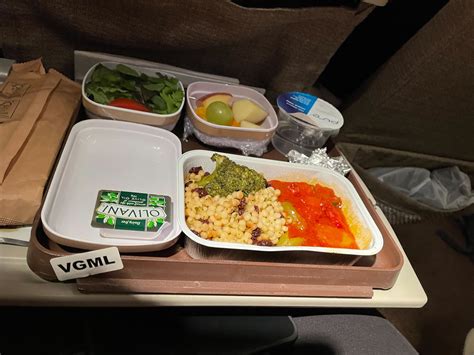
Inflight dining is governed by logistics, not luxury. Standard meals are prepared in bulk, frozen, and loaded according to rigid schedules. When we pre-order a special meal, we reposition ourselves inside that system. Special meals are produced separately, handled with greater care, and often prepared fresher than standard options.
The advantage is multifaceted. We remove the risk of limited availability. We dictate what arrives at our seat. We also benefit from service sequencing. Special meals are loaded in dedicated compartments and are served before general cabin meals. This means we eat earlier, finish earlier, and can rest earlier. On long-haul flights, this timing difference directly affects sleep quality and jet lag intensity.
Airlines such as Singapore Airlines offer an extraordinary range of special meal options, from region-specific vegetarian dishes to religious and medical meals. Even without dietary restrictions, selecting a special meal becomes a strategic choice rather than a necessity.
There is one nuance. Special meals can reduce eligibility for last-minute complimentary upgrades, particularly on certain legacy carriers. Catering is tightly linked to seat assignments. If flexibility for upgrades is a priority, skipping the special meal keeps that path open. We choose based on our priorities for that specific journey.
Game the Overbooked Flight Auction with Confidence
Overbooking is not an accident; it is a business model. Airlines sell more tickets than available seats to compensate for no-shows. When more passengers arrive than seats exist, the airline enters a high-pressure negotiation phase. Most travelers either ignore these announcements or accept the first voucher offered. We approach the situation with strategic awareness.
There is a critical distinction between voluntary and involuntary denied boarding. If we are involuntarily bumped, regulations require airlines to provide cash compensation based on the length of the delay. This can reach up to four times the one-way fare, capped at a legally defined maximum. Airlines are motivated to avoid this outcome because it triggers both financial and regulatory consequences.
That pressure is leverage. When we volunteer strategically, we recognize that the first offer is intentionally conservative. Gate agents operate under escalating authority. As boarding time approaches, that authority increases. A voucher can grow from a few hundred dollars to several thousand, often combined with confirmed seats in a higher cabin on the next available flight.
We do not demand. We calmly signal flexibility and let the clock work in our favor. In practice, this can transform an inconvenience into a highly profitable decision.
Scout Optimal Security Checkpoints for Faster Airside Access
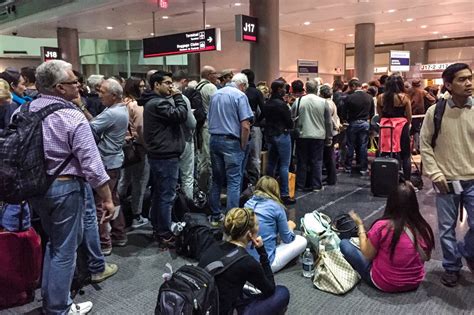
Security lines are not just queues; they are predictable traffic systems. The majority of travelers funnel themselves into the most obvious checkpoints. Airports, however, often contain multiple access points that lead to the same airside network. The key is selecting the least congested entry point.
This technique is especially powerful in airports with interconnected terminals. Once we clear security in one terminal, we can travel airside via trains, walkways, or shuttles. This gives us freedom to choose based on wait times, not proximity.
We use real-time data to guide these decisions. Platforms such as MyTSA and MiFlight provide live wait time estimates. We also study airport layouts in advance. International terminals often have more capacity and are underutilized during off-peak hours. Budget-carrier terminals can provide surprisingly fast processing due to lower premium traffic.
The result is not just saved time, but reduced stress. Security becomes a predictable step rather than a chaotic gamble.
Time of Day Strategy for Minimizing Delays
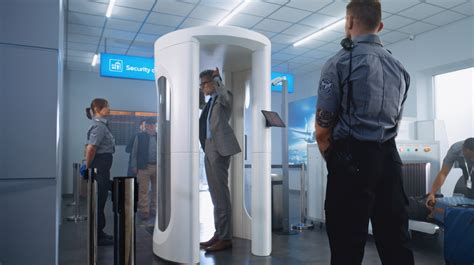
Aircraft and crews follow strict rotational schedules. Early morning flights benefit from aircraft that have already completed maintenance checks and are parked at the gate overnight. Crews are fresh, and the air traffic system is less congested. This creates a statistical window of reliability.
As the day progresses, delays compound. A small disruption in one city propagates through the network, affecting aircraft and crews that are scheduled for later legs. Weather patterns amplify this effect. Afternoon thunderstorms in southern and central hubs have a disproportionately large impact on national operations.
We favor departures in the early morning window not for convenience, but for structural reliability. We also consider departing from non-hub airports when possible. These airports experience less congestion and fewer cascading disruptions.
The difference is measurable. Early departures significantly reduce both the likelihood and severity of delays. This strategy shapes the entire journey, often determining whether we arrive energized or exhausted.
The Hidden Science of Altitude Hydration Timing
Hydration is not about volume alone; it is about timing. Cabin air at cruising altitude has extremely low humidity. This environment accelerates fluid loss through respiration and skin. If we simply drink reactively, we stay behind the curve. Altitude hydration timing shifts this dynamic.
We begin hydrating several hours before boarding, when the body’s absorption efficiency is highest. This builds a reserve. During boarding and taxi, we maintain light, consistent intake to help the body adjust to the sudden humidity drop. In the early cruise phase, when dehydration accelerates, we introduce both fluids and electrolytes to maintain plasma volume.
Toward the end of the flight, we taper intake to avoid fluid retention and swelling. After landing, we rehydrate strategically to accelerate recovery and reduce jet lag intensity. This method improves cognitive clarity, physical comfort, and overall travel resilience.
We also avoid onboard tap water. Although regulated, onboard water systems vary in maintenance consistency. Bottled water provides predictable quality and eliminates unnecessary biological risk. This is not paranoia; it is precision.