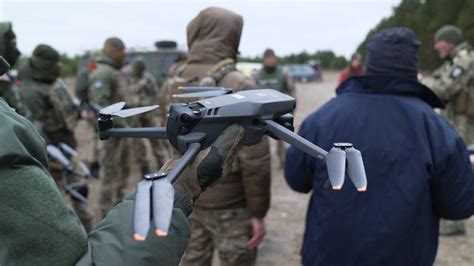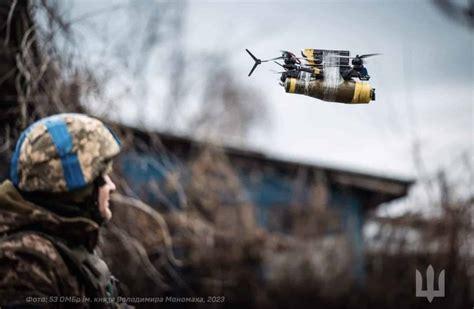
In the unforgiving crucible of Ukraine’s frontlines, European drone manufacturers are undergoing the most intense product validation in modern military history. With Russia’s invasion turning drones into critical assets for survival, surveillance, and offense, Ukraine has emerged not only as a battleground but as a proving ground for the future of unmanned warfare. For companies like Parrot, Delair, and KNDS, the trenches and skies of Ukraine are now the ultimate test lab—and their access pass to global credibility.
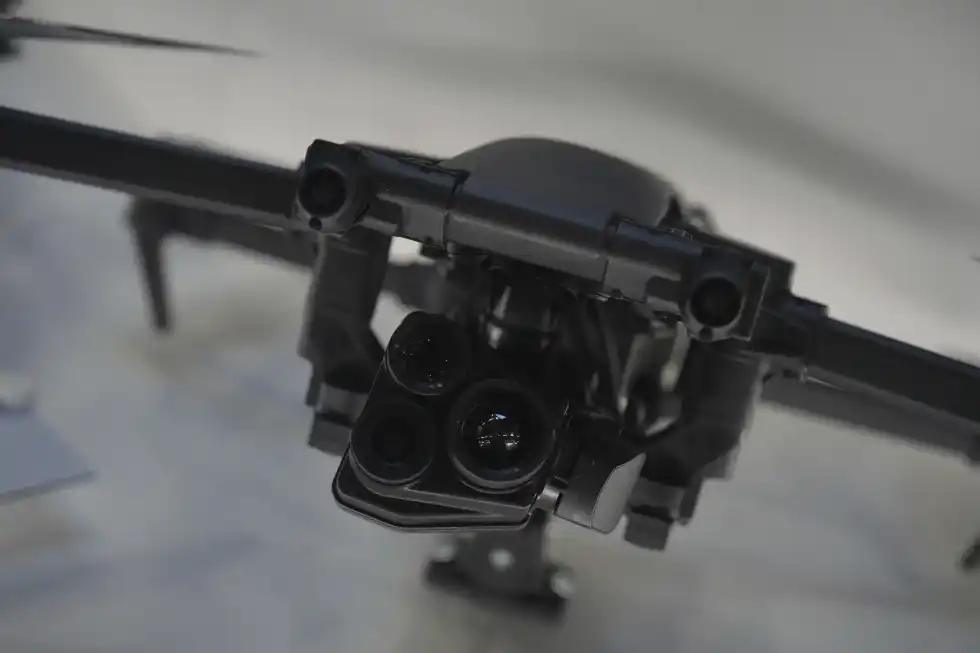
Ukraine: The World’s Most Hostile Drone Environment
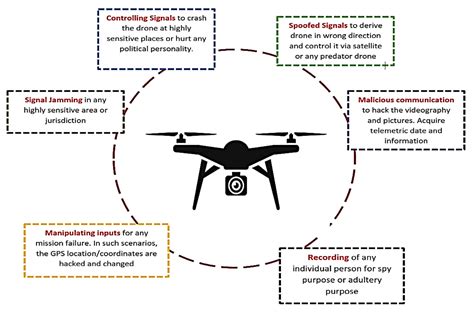
Every month, Henri Seydoux, founder of French drone maker Parrot, makes his way to Ukraine—not just as a gesture of support, but to observe firsthand how his drones perform under conditions no simulator can mimic. In his words, Ukraine is a “fascinating” ecosystem where drone warfare evolves every quarter. The battlefield is saturated with electronic warfare, GPS jamming, and anti-air weaponry. If a drone can survive in Ukraine, it can survive anywhere.
Manufacturers are drawn to Ukraine because success there has become an unmistakable seal of battlefield credibility. What was once theoretical in defense labs is now validated or shattered within weeks by real-time combat data. Ukraine’s high-stakes environment is reshaping product development cycles, leading to rapid prototyping, field adaptation, and instant feedback from the soldiers risking their lives with each launch.
Delair’s Oskar: From Surveying Power Lines to Exploding on Contact
Among the standout examples of battlefield evolution is the Oskar drone, a once-civilian model reengineered by Delair in partnership with European defense firm KNDS. Originally designed to map infrastructure, the drone now carries a 0.5-kilogram warhead and polystyrene wings that make it light, fast, and disposable. Ukraine has deployed over 100 Oskars, a testament not only to its affordability but also its resilience.
“When we say, ‘This is a good machine, it works,’ people can believe us or not,” says Bastien Mancini, Delair’s president. “But when it’s guys in Ukraine saying they’re happy, it has greater value.”
The validation goes beyond military circles. Utility companies, rescue teams, and border agencies see drones that withstand radio loss, signal jamming, and harsh environments in Ukraine and recognize their potential for civilian applications—whether inspecting power grids or aiding disaster response.
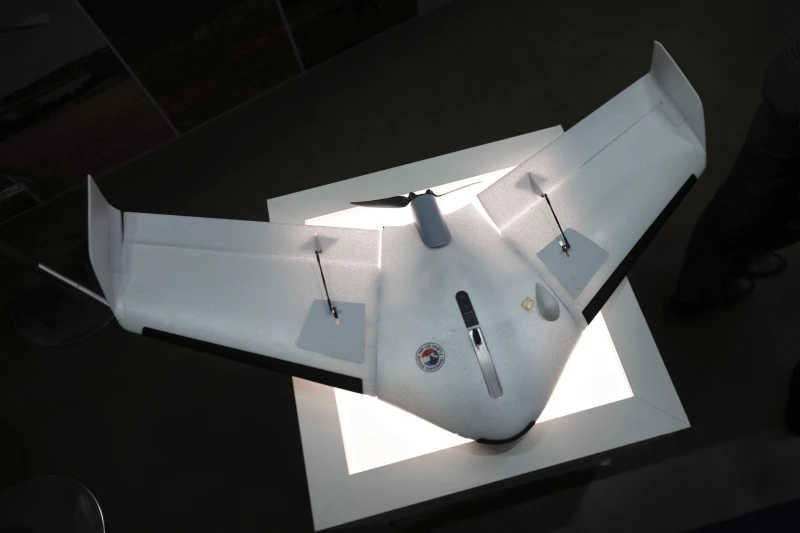
The Parrot Anafi UKR: AI Against Electronic Warfare
Another prime example of war-forged design is the Parrot Anafi UKR, a micro surveillance drone embedded with artificial intelligence to navigate when radio frequencies are jammed. Its sleek, compact body masks complex onboard systems that enable it to complete missions in signal-degraded zones.
Named in honor of Ukraine, the Anafi UKR isn’t just a war asset. Its battlefield DNA makes it ideal for domestic law enforcement—crowd monitoring, border patrol, search-and-rescue missions, and even urban policing where GPS signals often fail. Seydoux calls Ukraine “a real lab” that has not only changed the drone’s hardware but transformed how Parrot envisions AI’s role in drone autonomy.
Drones as a Doctrine: Ukraine’s Drone-Centric Defense Strategy
What makes Ukraine unique isn’t just its use of drones—it’s how central they’ve become to the military doctrine. Since Russia’s full-scale invasion in 2022, drones have been indispensable for reconnaissance, artillery targeting, and direct attack missions. Small quadcopters have been adapted to drop grenades, explosives, and even act as kamikaze platforms, swarming Russian trenches and disabling armored vehicles with minimal cost.
The Ukrainian Ministry of Defense plans to acquire 4.5 million drones in 2025 alone, all domestically produced. This represents a threefold increase from 2024 and underlines a shift from imported systems to self-sufficiency. Ukraine’s operators rely on first-person view (FPV) to guide drones with precision—each maneuver potentially saving dozens of lives or turning the tide of an engagement.
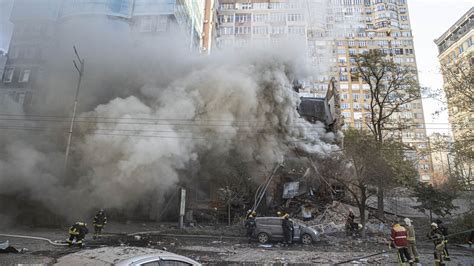
Commercial Ripple Effect: How War Drives Civilian Innovation
The brutal lessons of war are seeping into the civilian sector. Delair’s civilian clients, watching their military-grade drones thrive under the harshest conditions, have begun to request similar durability features. “They see it resists jamming, radio loss, and other threats, so they think it’ll work just fine for mapping or inspections,” Mancini says.
From firefighters needing drones in burning urban zones to border guards patrolling under signal-compromised conditions, the overlap is profound. In some cases, innovations like thermal imaging, signal-resistant controls, and autonomous return functions were born on the battlefield and are now standard in non-military operations.
Ailand Systems and the Pressure to Be Present
In the bustling halls of the Paris Air Show, Alex Vorobei of Ailand Systems lays it out plainly: “If you’re in the defense field and still not in Ukraine, it means you are nowhere.” His startup is working on drones to detect land mines, an indispensable capability in the heavily mined Ukrainian countryside. Vorobei notes that firms not involved in Ukraine’s drone ecosystem risk being technologically sidelined.
The commercial stakes are just as high. NATO allies and non-aligned states alike are closely watching which systems perform and survive in Ukraine. As a result, manufacturers with combat-proven technology are at a distinct advantage in tenders, partnerships, and export deals.
The Future: From Disposable Drones to Swarming Intelligence
As the war stretches on, the nature of drone warfare continues to morph. What began as a tool for target spotting has become a mainstay of force projection. Swarm technology, autonomous targeting, and machine-learning-driven evasion techniques are on the horizon.
For European drone makers, the message is clear: Ukraine is both the battlefield and the benchmark. The constant evolution of electronic warfare and drone tactics pushes them toward rapid iteration cycles. And with the NATO Drone Coalition taking shape, those with a foothold in Ukraine will inevitably help shape Europe’s future doctrine on unmanned warfare.
The war has proven that drones are no longer an optional force multiplier—they are a core component of modern military power. In the airspace above Donetsk and Zaporizhzhia, the next generation of drone warfare is already flying.