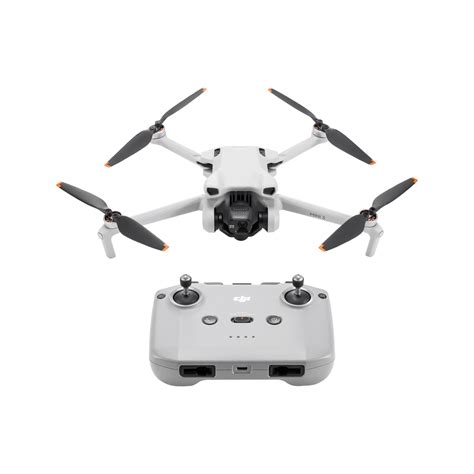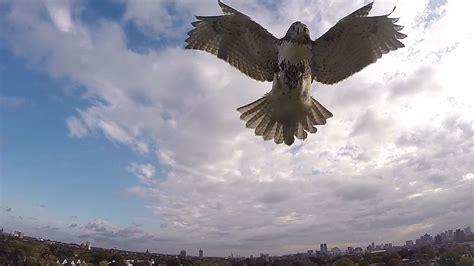
On a clear morning in New England, the first flight of a DJI Mini 3 took a sudden turn from maiden voyage to mid-air melee. As the drone ascended smoothly, it was abruptly ambushed by a hawk in full dive, locking talons mid-flight in a powerful show of aerial dominance. The footage, captured by the drone’s onboard camera, shows the world spinning violently before going dark—then flickering back to life as control was miraculously regained. The drone returned to its operator, visibly shaken but physically unharmed.
Hawk attacked my drone first time i flew it
byu/JoeyMangoes indji
Community Shock and Reaction to the Dramatic Drone Footage
The drone footage instantly went viral, with many praising the resilience of the DJI Mini 3, while others mocked the overly dramatic meme music layered over the clip. Yet, amid the digital noise, one thing was clear: this was more than entertainment. It was a real-world encounter highlighting the delicate coexistence—and occasional conflict—between drones and wildlife.
Online communities buzzed with speculation and shared experiences. Pilots compared notes on similar bird run-ins, while seasoned fliers debated the role of design, size, and flight behavior in attracting avian attackers. More than just a viral moment, the event sparked renewed awareness of aerial threats drones face.
Understanding Bird Behavior: Why Raptors and Birds Attack Drones
Birds don’t mistake drones for food. Instead, these attacks are often territorial responses, particularly when drones fly near nesting areas. Raptors like hawks and eagles are known to patrol their airspace with aggression, and a drone buzzing within their vicinity may appear as either a threat or an intruder.
According to ornithologists, birds such as magpies, swallows, purple martins, and even cowbirds can match a drone’s speed during a dive. What they cannot do is climb as rapidly—giving drone pilots a tactical advantage if they know how to use it. This becomes critical in defensive maneuvers.
Drone Evasion Techniques: What to Do When Birds Appear
Experienced drone operators recommend a mix of proactive and reactive strategies:
- Switch to Sport Mode to maximize vertical and horizontal speed.
- Disable obstacle avoidance sensors, which may hinder evasive flight.
- Ascend rapidly or make sharp lateral moves to disorient pursuing birds.
- Scan the area for bird activity before flight, especially near lakes or coasts.
- If birds begin to swarm, immediately return to land—flying over water dramatically increases risk.
These tactics, while not foolproof, can buy crucial seconds. Several pilots shared close calls where split-second maneuvers prevented mid-air collisions. One particularly vivid account described a swallow tapping a Phantom 4, sending it into a wild 360° spin—yet the drone recovered, much like the Mini 3.
Design Matters: Why Some Drones Attract More Attention Than Others
A critical yet often overlooked factor is drone design and acoustics. The DJI Mini 3, with its quieter profile and bird-like blade pitch, may inadvertently resemble prey or rival birds. Its reduced noise—once seen as a user benefit—can also reduce the audible warning birds use to identify mechanical threats.
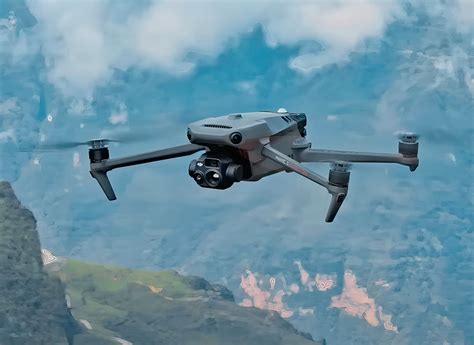
In contrast, larger and louder models, such as the Mavic 3, tend to deter birds, particularly raptors. The aggressive sound signature and broader wingspan seem to communicate dominance or unfamiliarity, discouraging aerial engagement.
Global Incidents: From New England to the Himalayas
The Mini 3 hawk encounter is far from isolated. In Maine, multiple drone users have reported similar attacks over Monhegan Island, lakes, and coastal cliffs. Birds of prey remain the dominant aggressors, though some surprising offenders have emerged:
- A wading bird and magpie duo launched a tandem attack near a marsh.
- A swarm of 50+ bees triggered an emergency auto-return.
- In India, the military uses trained kites to disable intruding drones along the border.
Each case further underscores the importance of understanding regional bird behavior. Areas rich in avian biodiversity demand even more situational awareness.
Strategies for Prevention: Deterrence Over Defense
While emergency response matters, prevention is always the better strategy. Drone pilots have begun to experiment with various deterrents, some more successful than others:
- Black-and-yellow striping, mimicking warning patterns in nature.
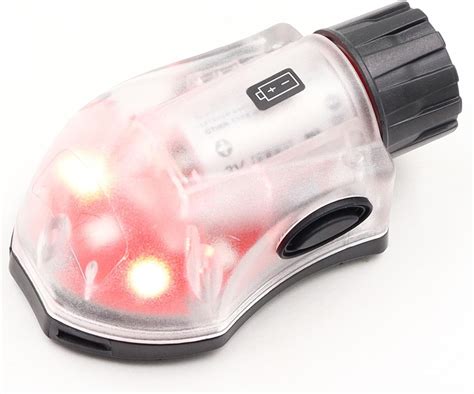
- Cheap strobe lights added to the top or bottom of the drone.
- Crow costume camouflage to blend with dominant local species.
- Using a visual spotter on the ground to monitor bird activity.
These solutions, though not standardized, provide an edge. One drone hobbyist noted a sharp decline in mid-air attention after adding a UV-reactive tape to the propeller arms.
Engineering Solutions: Do We Need an Anti-Bird System?
As drone use proliferates—for filmmaking, surveying, delivery, and defense—so do wildlife conflicts. While consumer drones have evolved in stability, sensors, and camera tech, one critical gap remains: wildlife detection and deterrence.
We envision future drones equipped with:
- Bird detection AI, using sound and visual data to identify flight paths.
- Directional sound emitters to mimic predatory calls.
- Lightweight air-puff systems that create harmless shockwaves.
Until such systems are standard, the burden remains on the pilot. Understanding local bird species, flying times, and nesting patterns is not just good practice—it’s essential to drone safety and bird welfare alike.
Conclusion: A New Era of Drone Awareness
The hawk vs. Mini 3 encounter was more than a fluke—it was a signal to drone enthusiasts and professionals alike. As these machines blend into our skies, so too must they adapt to its inhabitants. Hawks, swallows, vultures, and martins are not enemies but indicators of an environment trying to cope with rapid technological change.
Flying a drone today means knowing more than your firmware and battery levels. It means reading the airspace, anticipating behavior, and being ready for the unexpected. Drones like the Mini 3 may be built to survive, but it is human knowledge and respect for nature that ensures safe skies for all.