The modern battlefield is no longer defined solely by boots on the ground or firepower in the air. It is increasingly shaped by small, intelligent machines—drones that extend vision, precision, and tactical advantage. Yet, as transformative as these tools are, they come with fragile realities. In high-impact environments like airborne operations, even the most advanced unmanned systems can become liabilities if they cannot survive deployment.
That tension—between cutting-edge capability and real-world durability—sparked one of the most practical innovations to emerge from the U.S. military’s internal idea pipeline. What began as a paratrooper’s frustration evolved into a battlefield-ready solution that captured national attention, proving that sometimes the most powerful innovations are born not in laboratories, but in lived experience.
Dragon’s Lair: Where Soldier Innovation Meets Strategic Urgency
The U.S. Army’s Dragon’s Lair competition, inspired by the high-stakes energy of “Shark Tank,” has quickly become a proving ground for frontline ingenuity. Unlike traditional procurement channels that often move at a glacial pace, this initiative invites soldiers themselves to pitch solutions to real operational problems—directly to decision-makers who can accelerate their ideas into reality.
Established under the vision of Secretary of the Army Daniel Driscoll, Dragon’s Lair represents more than a contest. It is a deliberate shift toward decentralized innovation, where those closest to the problem are empowered to design the solution. Civilian experts and military leaders evaluate submissions not just for creativity, but for immediate battlefield relevance.
Within this environment, one idea stood out—not because it was flashy or futuristic, but because it addressed a painfully obvious gap that had long gone unresolved.
The Hidden Weakness of Military Drones in Airborne Operations
For Spc. Alexander Soto, a paratrooper in the 82nd Airborne Division, the issue wasn’t theoretical. It was something he witnessed repeatedly: drones breaking during jumps, transport, or field maneuvers. These devices, essential for reconnaissance and tactical awareness, were often too delicate for the very العمليات they were meant to support.
Airborne missions are inherently violent. Equipment is subjected to sudden shocks, rough landings, and unpredictable terrain. Traditional carrying methods offered little protection, forcing soldiers to make a trade-off between mobility and equipment safety. The result was a recurring cycle of damaged gear and compromised readiness.
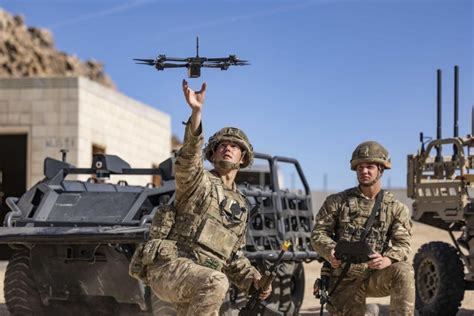
Soto recognized a simple truth that had been overlooked: a tool is only as effective as its survivability in transit. Without a reliable way to transport drones, their battlefield value diminished significantly.
The Modular Drone Case: Simplicity Engineered for Survival
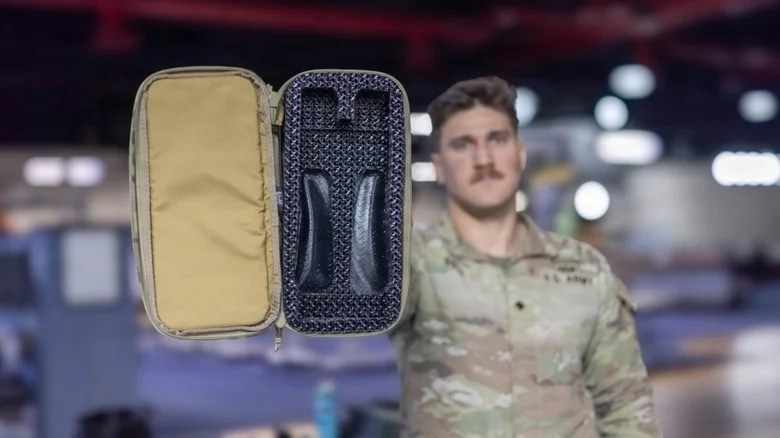
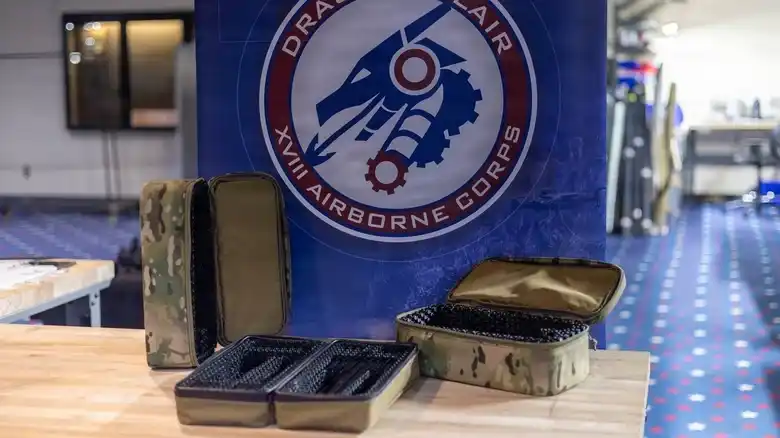
The solution Soto developed with Sgt. Talen Valerio was elegantly straightforward: the Modular Drone Case, a lightweight yet durable container designed specifically for the rigors of military deployment. But beneath its simplicity lies a deeply considered design philosophy centered on adaptability and resilience.
Unlike rigid, one-size-fits-all containers, the modular case was built to accommodate multiple UAV configurations, allowing soldiers to carry different drone types depending on mission requirements. Its compact form factor ensured it could fit within standard loadouts, including backpacks used during airborne operations.
The case was optimized for:
- Shock absorption during parachute landings
- Rapid access in high-pressure environments
- Efficient weight distribution for mobility
- Compatibility across diverse drone platforms
Each feature addressed a specific pain point identified in the field. The result was not just a storage solution, but a mission-enabling system that preserved operational capability from deployment to execution.
From Concept to Prototype: Accelerated Military Innovation in Action
After earning second place at Dragon’s Lair XI in June 2025, the Modular Drone Case quickly transitioned from concept to prototype. This rapid progression was made possible through collaboration with the Airborne Innovation Lab, where Staff Sgt. Larry Dockins played a key role in refining the design.
What traditionally might have taken years was compressed into a matter of months. The prototype emerged as a lightweight, ruggedized system ready for real-world testing, demonstrating how streamlined processes can unlock immediate value.
Dockins emphasized the broader implications of such innovations, noting that reducing weight while increasing effectiveness can directly influence battlefield outcomes. In environments where every ounce matters, even incremental improvements can tip the balance between mission success and failure.
Beyond the Product: A New Model for Military Procurement
The true significance of the Modular Drone Case extends beyond its physical design. It represents a successful test of the Joint Innovation Outposts (JIOP) framework, a newly established initiative aimed at revolutionizing how the Pentagon develops and acquires technology.
Led by Lt. Gen. James Gavin, JIOP enabled the case to move from idea to production-ready prototype in just three months. This accelerated timeline challenges long-standing assumptions about military bureaucracy and highlights the potential of agile procurement models.
Such efforts are part of a broader transformation initiative within the Army, focused on rethinking how forces are equipped, organized, and trained. Programs like FUZE and reforms to acquisition systems underscore a growing recognition that speed is now a strategic advantage.
Competing Innovations and the Broader Battlefield Context
While the Modular Drone Case secured second place, the competition featured equally compelling ideas, including an 81mm Mortar Quick Emplacement Mount and advanced sensor technologies capable of visualizing electromagnetic frequencies. These innovations reflect the diverse challenges facing modern forces, from mobility to situational awareness.
Yet, what sets the drone case apart is its immediacy. While some technologies promise future capabilities, this solution addresses a current, persistent problem with tangible impact. It doesn’t redefine warfare—but it ensures that existing tools can function reliably within it.
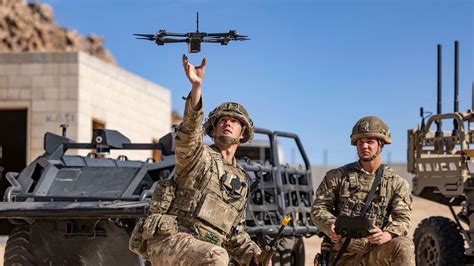
In a landscape often dominated by high-profile advancements like AI-driven targeting systems or drone-hunting helicopters, the Modular Drone Case is a reminder that practical innovation remains indispensable.
Why Soldier-Led Solutions Are Shaping the Future of Warfare
The success of this project underscores a fundamental shift in military thinking: those who experience the problem firsthand are often best equipped to solve it. By empowering soldiers to innovate, the Army taps into a reservoir of insight that traditional top-down approaches frequently miss.
Dragon’s Lair and similar initiatives are not just about generating ideas—they are about creating pathways for those ideas to become reality quickly and effectively. This approach aligns with the evolving nature of warfare, where adaptability and responsiveness are as critical as technological superiority.
The Modular Drone Case may not capture headlines in the same way as advanced weapons systems, but its impact is deeply felt where it matters most—on the ground, in the field, and in the hands of those who rely on their equipment to perform without failure.
In the end, the story is not just about a container for drones. It is about a mindset shift—one that recognizes innovation as a shared responsibility and treats every soldier as a potential problem-solver in an increasingly complex battlespace.