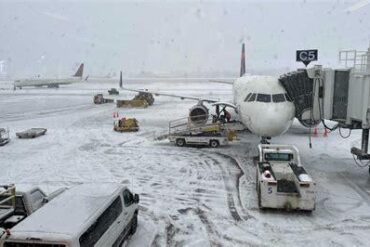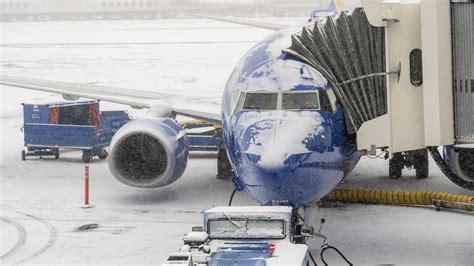
The United States aviation system is emerging from one of the most disruptive weather events in modern memory, as the Department of Transportation signals cautious confidence that flight operations will stabilize by midweek. The massive winter storm that swept across the country did not merely snarl travel plans; it rewired daily life for millions, testing infrastructure, emergency response, and airline resilience all at once.
Beginning late Sunday, the storm unleashed a punishing mix of snow, ice, sleet, and plunging temperatures across more than a dozen states. Over one million households lost power, communities were immobilized, and at least 25 lives were lost as roads became impassable and heating systems failed. Aviation felt the impact immediately, with nearly 20,000 flights canceled nationwide and thousands more delayed, making this the most severe air travel disruption since the depths of the COVID-19 shutdowns.
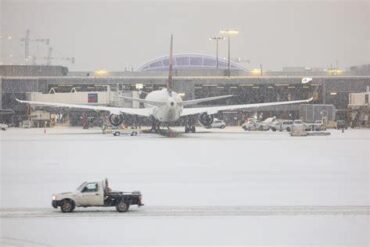
Airports from the Midwest to the Northeast watched runways disappear under relentless snowfall. On Sunday alone, more than 5,000 flights were delayed, a figure that barely improved on Monday, when 4,500 additional cancellations and nearly 2,500 delays rippled through airline schedules. Snow totals exceeding 2.5 feet in some regions overwhelmed even well-prepared states, while southern and mid-Atlantic areas struggled with infrastructure never designed for such extremes.
A System Under Strain, But Not Broken
Despite the chaos, federal transportation officials emphasized that the aviation system itself remained structurally intact. According to the DOT, the challenge was not mechanical failure but operational overload. Aircraft, crews, and ground teams were displaced across the country, creating cascading effects that take days—not hours—to unwind. The department now expects a phased return to normal operations as aircraft are repositioned and staffing gaps close.
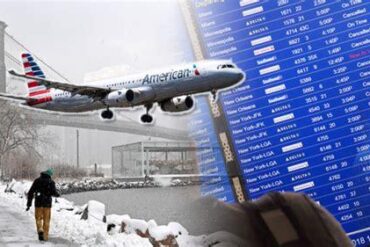
The scale of cancellations underscored the severity of the storm. American Airlines was forced to cancel roughly a quarter of its scheduled departures, while JetBlue grounded nearly half of its Monday flights, particularly along the East Coast. These numbers rivaled the most turbulent days of 2020, yet this time the disruption came not from a virus, but from nature at full throttle.
Airlines Walk the Safety Tightrope
Airlines repeatedly stressed that cancellations, while painful, were necessary. Safety margins shrink rapidly in winter weather, especially when ice contaminates wings or snow reduces runway friction. Even a thin layer of frost can dramatically alter airflow, reducing lift and increasing drag to dangerous levels. Pilots and dispatchers must make conservative decisions, particularly when visibility drops below critical thresholds during takeoff and landing.
De-icing operations became a major bottleneck. Aircraft must be completely free of ice before departure, but de-icing fluids are effective only for a limited “holdover” period, often 15 minutes or less in heavy snowfall. At many airports, snow fell faster than crews could safely clear aircraft, forcing repeated de-icing cycles and inevitable cancellations when timing windows closed.
Airports Hold the Line Amid Power Outages
While millions of residents endured blackouts from Texas to Georgia and up through Virginia, major airports avoided widespread power failures thanks to redundant electrical systems. Even so, functionality does not equal operability. Ronald Reagan Washington National Airport effectively shut down on Sunday despite having power, canceling all departures due to runway conditions and wind limitations.
Elsewhere, LaGuardia Airport grounded nearly 90% of scheduled flights, while Baltimore/Washington International and Raleigh-Durham International reported similarly severe disruption. Snow removal teams worked around the clock, but relentless accumulation and icy temperatures slowed progress and limited how quickly runways could reopen.
Tragedy Highlights Winter Aviation Risks
Amid the operational turmoil, tragedy struck in Maine when a Bombardier Challenger 650 private jet crashed at Bangor International Airport. The aircraft was carrying between nine and eleven people. Authorities believe all souls aboard were lost, though investigations by the FAA and NTSB remain ongoing. While no commercial airline accidents were reported, the incident served as a stark reminder of how unforgiving winter conditions can be, particularly when runway traction is compromised by ice and blowing snow.
DOT Eyes Midweek Reset
Federal officials now see a narrow but realistic path to recovery. As snowfall tapers off and temperatures stabilize, airports are gradually restoring normal arrival and departure rates. Airlines have waived change and cancellation fees, encouraging travelers to rebook later in the week and easing congestion in terminals. Emergency Operations Centers at major hubs continue coordinating equipment, crews, and aircraft movements to accelerate normalization.
Still, the DOT cautions that “normal” will return unevenly. Regions unaccustomed to heavy snow face lingering challenges, while northeastern states accustomed to harsh winters are proceeding with heightened caution after snowfall totals exceeding 20 inches in places like Massachusetts.
What Travelers Should Expect Next
Passengers should brace for residual delays even as cancellation numbers fall. Aircraft and crews must be repositioned, maintenance schedules reset, and weather forecasts monitored with surgical precision. The aviation system, while resilient, operates like a tightly wound clock; when one gear slips, it takes time to realign.
By midweek, however, the DOT expects the majority of U.S. flights to operate on near-normal schedules. The storm will be remembered not only for its human toll, but as a rare stress test of national infrastructure—one that revealed both vulnerabilities and remarkable endurance under pressure.