As the world continues to navigate the complexities of travel and tourism, recent insights from the Australian Tourism Industry Association (ATIA) reveal a significant shift in the travel preferences of Australians. US tourism is experiencing a downturn as more Australians are opting for affordable and culturally rich getaways in Asia. This evolving trend underscores a broader change in international travel dynamics, where cost, proximity, and immersive experiences are increasingly shaping holiday decisions.
The Allure of Asia: Affordability Meets Culture
In recent years, Australia’s love for international travel has remained steadfast. Leisure travel consistently accounts for approximately 60 percent of all outbound journeys, signifying an enduring desire among Australians to explore new cultures, unwind on exotic beaches, and reconnect with the global community. However, the latest statistics indicate that travel to Asia has surged, eclipsing the once-popular US destinations.
The appeal of Asian countries lies primarily in their affordability and cultural richness. Destinations such as Thailand, Japan, and Vietnam have become hotspots for Australian travelers, who are drawn to the unique blend of adventure and relaxation that these locations offer. Whether it’s lounging on the stunning beaches of Thailand, indulging in the vibrant culinary scene of Vietnam, or exploring the bustling streets of Tokyo, Australians are prioritizing experiences that provide both excitement and cultural immersion.
This shift is further fueled by the increasing ease of access to Asian destinations, which often feature shorter flight times compared to long-haul trips to the United States. As Australians weigh the costs and benefits of their travel options, Asia emerges as a clear winner, offering not just economic advantages but also a wealth of experiences that resonate deeply with the modern traveler.
Emotional Connections Drive Travel Choices
While leisure travel remains the primary motivator for Australians heading abroad, it’s essential to recognize the role of personal connections. Travel to visit friends and relatives has become increasingly significant, accounting for approximately 34.8 percent of all international journeys as of February 2025. For many Australians, particularly those with familial ties across the globe, maintaining these connections through regular travel is a vital aspect of life.
In contrast, business travel and other non-leisure purposes constitute a much smaller portion of outbound trips. This trend highlights the emotional and personal dimensions of travel for Australians, with the focus predominantly on reconnecting with loved ones, celebrating important milestones, and embracing diverse cultural traditions.
The Impact on US Tourism
As Australians turn their backs on the US in favor of Asian destinations, the repercussions for the American tourism sector are becoming evident. The decline in US-bound travel reflects a broader trend in which value-driven choices take precedence in the travel decision-making process. With the current economic landscape and the ongoing pursuit of enriching experiences, the US must adapt to remain competitive in attracting Australian tourists.
Moreover, the increased competition from Asian destinations highlights the importance of understanding travelers’ needs and preferences. As more Australians discover the wonders of Asia, the US tourism industry faces the challenge of reinventing its offerings to entice this demographic back into its arms. The emphasis on affordability, unique experiences, and cultural engagement will be paramount in restoring Australia’s interest in American destinations.
Australia’s Booming Inbound Tourism
Despite the challenges faced by US tourism, the inbound tourism sector in Australia is experiencing remarkable recovery. During the twelve-month period ending in April 2025, Australia welcomed approximately 8.36 million international visitors, marking a 6.7 percent increase from the previous year. This growth can be attributed to strong global interest in Australia and ongoing efforts to enhance tourism infrastructure and international marketing initiatives.
Particularly noteworthy is the surge in arrivals from East Asia, with China leading the charge. Visitor numbers from China rose by an astounding 23.4 percent year-on-year, followed closely by Japan at 12.9 percent and South Korea at 11.9 percent. These statistics not only reflect the renewed confidence in traveling to Australia but also indicate a growing appeal of Australian attractions among younger travelers and families from the Asia-Pacific region.
Long-established markets such as New Zealand and the United States continue to maintain a consistent presence in Australia’s tourism landscape. Although they may not match the rapid growth seen in several Asian countries, their stable arrival figures underscore the strength of direct flight connections and longstanding travel relationships between these regions and Australia.
Aviation Sector Growth Fuels Travel Recovery
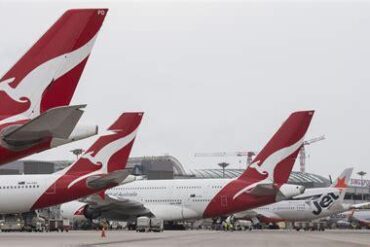
From an aviation perspective, Australian carriers play a crucial role in shaping the international travel landscape. Qantas, the flagship airline, retained its position as the leading international carrier for the year ending February 2025, transporting 528,000 passengers and securing a 15.8 percent market share. This dominance is a testament to Qantas’s extensive network and strong brand loyalty among Australian travelers.
Jetstar, the low-cost carrier, has shown impressive year-on-year growth, increasing its passenger count to 401,000 and expanding its market share to 12.0 percent. Its focus on affordable fares and popular short-haul destinations makes it an attractive option for budget-conscious travelers looking to explore Asia.
Singapore Airlines also experienced growth during this period, boosting its market share from 9.0 percent to 9.4 percent. Known for its premium service and seamless connections through its Southeast Asian hub, Singapore Airlines continues to attract both business and leisure travelers making their way to and from Australia.
Conversely, some airlines like Scoot, Tigerair, and China Eastern reported declines in passenger numbers and overall market share. These downturns could reflect shifting demand patterns, competitive pressures, or reduced flight frequencies, prompting travelers to seek alternative routes and carriers.
A Bright Future for International Travel
International air traffic to and from Australia has seen a notable rise, increasing from 3.21 million to 3.35 million passengers over the past year. This upward trajectory signals a clear recovery in global travel confidence and reinforces Australia’s position as a premier destination and key hub in international aviation. The rising numbers not only reflect the growing strength of the tourism sector but also highlight the steady return of momentum across global flight routes.
As Australians increasingly bypass the US in favor of Asian locales, driven by cost-effectiveness, shorter travel times, and enriched cultural experiences, the implications for both outbound and inbound tourism are profound. With outbound holidays thriving, inbound visitor numbers climbing, and airlines expanding operations, the future of international travel remains optimistic. Whether Australians are jetting off for new adventures or international travelers are arriving to experience Australia’s natural wonders and vibrant cities, international travel is once again becoming a defining aspect of life on both sides of the runway.