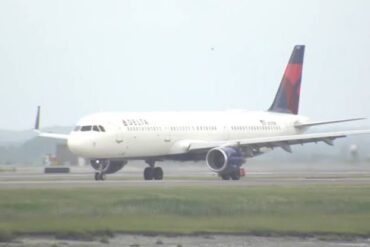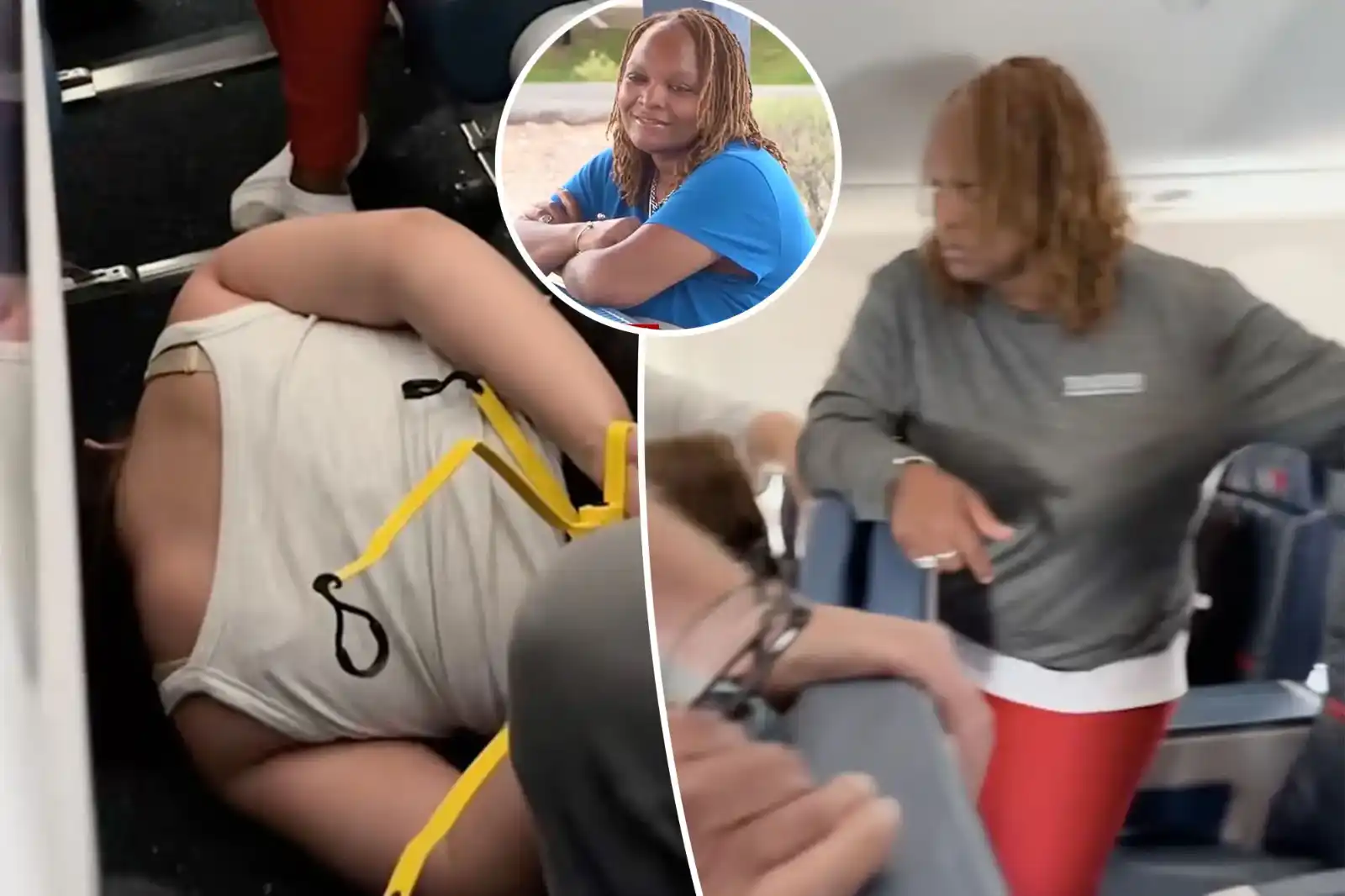
On July 16, a Delta Air Lines flight from Atlanta (ATL) to Tucson (TUS) faced a serious in-flight security threat when a passenger attempted to storm the cockpit, prompting an emergency intervention by a seasoned Army veteran. Nicole Pruitt, a 26-year Army veteran and grandmother traveling in first class, acted decisively to restrain the individual before the situation escalated further.
The Mid-Air Disruption
According to flight tracking data, Delta Flight DL937 departed Hartsfield-Jackson Atlanta International Airport at 11:30 a.m. local time. Approximately 20 minutes into the flight, chaos erupted when a female passenger suddenly left her seat in the back of the aircraft and rushed toward the cockpit. Witnesses reported that the woman claimed “God told her to get off the plane,” adding a concerning psychological dimension to the incident.
While flight attendants attempted to intervene, the passenger managed to reach the front of the aircraft. This is when Pruitt, seated in the first-class cabin, sprang into action. Her military training kicked in as she quickly restrained the woman, preventing what could have been a catastrophic breach of the cockpit.
A Veteran’s Heroic Response
In an interview with 13 News, Pruitt recounted the dramatic moments leading up to the restraint:
“She didn’t want to be on the plane anymore. She said God told her to do it. She had a calling. And I’m like, Wait a minute… Not today.”
Pruitt’s quick thinking and firm handling ensured the safety of everyone on board. Video footage posted on TikTok showed the aftermath, with Pruitt standing over the restrained passenger, whose hands were tied, as other passengers helped maintain order. Observers in the video mentioned that the woman had “anxiety medication,” though it remains unclear if that played a role in her behavior.
Passengers hailed Pruitt as a hero, praising her bravery in diffusing a volatile situation before it escalated beyond control.
The Flight’s Emergency Diversion
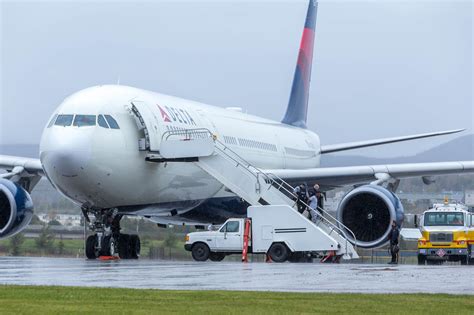
Delta confirmed that the flight was forced to turn back to Atlanta, landing safely at 12:18 p.m. — less than 50 minutes after departure. This ensured passengers and crew were out of immediate danger while law enforcement awaited the arrival of the aircraft on the ground.
A replacement flight was quickly arranged, departing at 2:16 p.m. and arriving in Tucson at 2:24 p.m. local time, limiting delays to just over two hours.
Legal Consequences for the Offender
Attempting to breach the cockpit of a commercial aircraft is considered a “Level 4 offense” under the International Civil Aviation Organization (ICAO) threat level classification system — the most serious category, defined as an “attempted or actual breach of the flight crew compartment.”
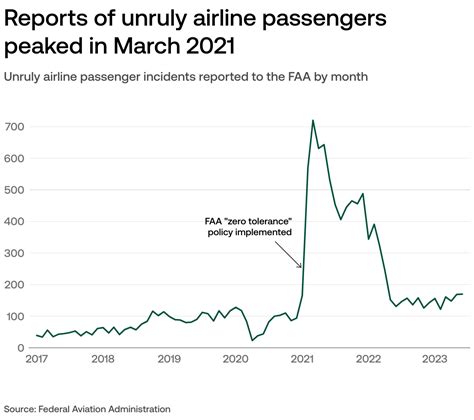
Under U.S. federal law, such actions are felonies punishable by up to 20 years in prison, or life imprisonment if a dangerous weapon is involved. The Federal Aviation Administration (FAA) has maintained a zero-tolerance policy toward unruly passengers since the pandemic, with fines of up to $37,000 per violation. In many cases, these incidents are referred to the FBI for criminal investigation.
While details regarding charges against the unruly passenger have not yet been disclosed, it is highly likely that the individual will face federal prosecution.
Delta Air Lines Responds
Delta Airlines issued an official statement following the incident:
“Delta sincerely appreciates the actions of our crew and customers for de-escalating this situation. We apologize to our customers for the delay and thank them for their understanding.”
The airline emphasized that the cooperation of passengers and crew was crucial in preventing further escalation. This incident highlights the growing importance of swift passenger and crew coordination in handling unruly behavior mid-flight.
A Surge in Unruly Passenger Incidents
This incident is part of a troubling trend in aviation. The FAA has reported a sharp rise in unruly passenger cases over the last few years, largely attributed to pandemic-era stress, substance abuse, and mental health challenges. Airlines have been forced to tighten security protocols and improve training for crew members in handling such volatile situations.
In May, two separate Delta flights faced similar disruptions on the same day, both requiring unscheduled landings. Such cases underscore the unpredictable nature of air travel security and the need for constant vigilance.
The Broader Implications for Aviation Security
The incident raises pressing questions about aviation security preparedness, including how quickly cabin crew and passengers can respond to cockpit breach attempts. While cockpit doors are heavily reinforced post-9/11, physical intervention remains the last line of defense when unruly passengers manage to bypass initial deterrents.
The heroism displayed by Nicole Pruitt reflects the critical role of passenger involvement in ensuring in-flight safety. Security experts emphasize that every second counts when preventing cockpit incursions, and trained individuals like Pruitt can make a decisive difference.
Lessons Learned and Moving Forward
This case serves as a stark reminder that mental health crises can manifest unpredictably during air travel, with potentially grave consequences. It highlights the urgent need for enhanced screening protocols, crew preparedness, and passenger awareness in preventing such incidents.
Furthermore, the FAA’s zero-tolerance policy is likely to remain a cornerstone of its enforcement strategy, with increased collaboration between airlines and law enforcement to prosecute offenders.
Conclusion
The thwarted cockpit breach on Delta Flight DL937 showcases both the risks faced by modern air travel and the power of swift, courageous intervention. Thanks to Nicole Pruitt’s decisive actions, a potentially catastrophic event was averted, ensuring the safety of all aboard.
As unruly passenger incidents continue to challenge the aviation industry, collaborative vigilance between crew, passengers, and security authorities will remain essential to maintaining order and safeguarding the skies.