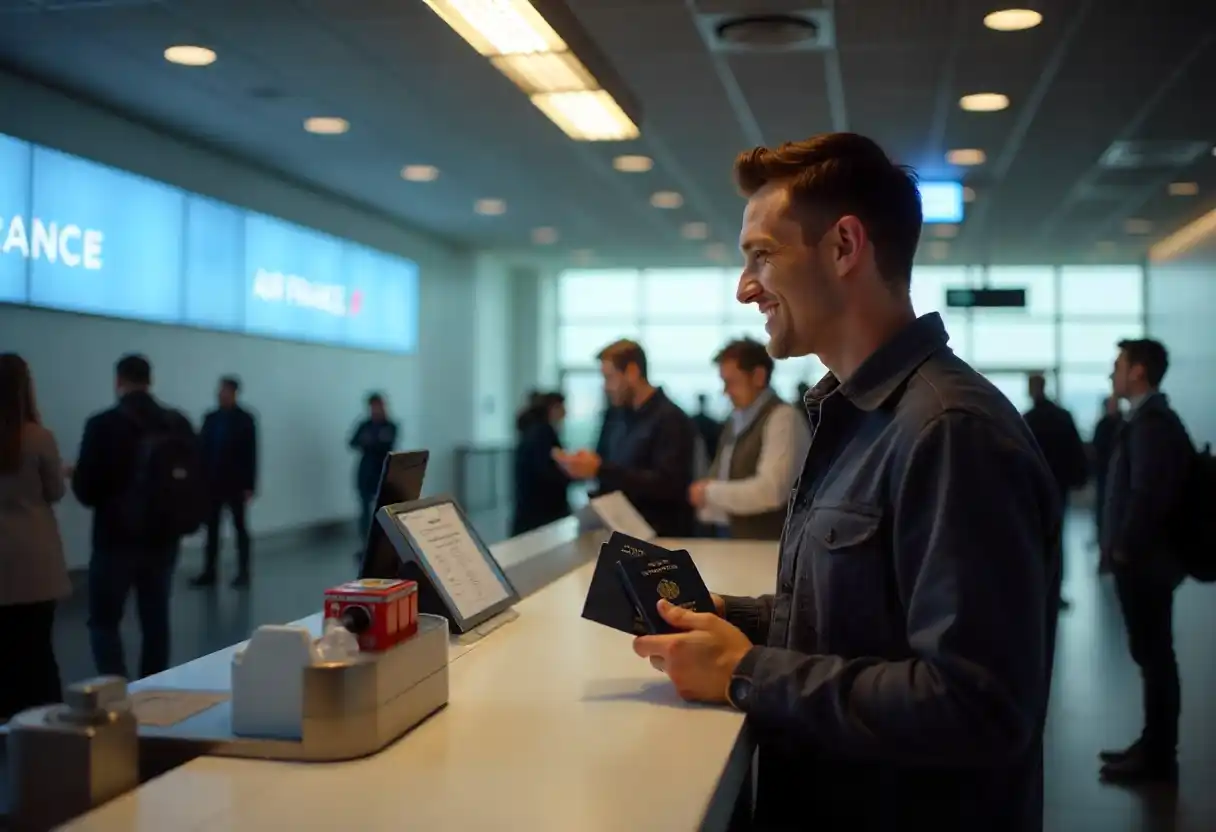
Air travel plans can change in the blink of an eye, whether due to personal emergencies, professional obligations, or unpredictable global events. One frequent question that arises in such cases is: Can a passenger transfer their airline ticket to another person? When it comes to Air France, the answer is complicated—and often disappointing for travelers hoping for flexibility.
The Non-Transferability Rule: Air France’s Firm Stance
Air France, like most legacy airlines, adheres to a strict non-transferability policy for passenger tickets. This means that once a ticket is issued in a passenger’s name, it cannot be transferred to another individual under normal circumstances. This policy is rooted in several operational, financial, and security considerations.
At its core, the restriction helps prevent speculative booking and resale of airline tickets at inflated prices—a practice that can undercut airlines’ revenue management strategies. Furthermore, aviation security protocols require that passenger identity be verified consistently from booking to boarding.
In practical terms, this policy implies that if you’ve booked a ticket in your own name or someone else’s and now wish to assign it to a different person entirely, Air France will not accommodate such a request.
Minor Name Corrections vs. Full Transfers
There is a subtle but significant difference between a name correction and a name change.
A name correction typically refers to minor typographical errors or slight misrepresentations. These can include:
- Misspellings (e.g., “Jonh” instead of “John”)
- Reversed surnames and first names
- Missing middle names
In these cases, Air France may allow a one-time correction without requiring a full rebooking. However, it is essential to contact customer service immediately after noticing the mistake, ideally within 24 hours of booking.
Contrastingly, a full name change or transfer to another person is treated as an entirely new booking. In such cases, Air France does not permit the substitution of a new passenger, regardless of circumstances like illness, unavailability, or error in booking.
Real-World Cases: Rigid Enforcement in Practice
Many travelers have shared their frustration over this inflexible policy. One Reddit user recounted a situation where they accidentally booked a flight under their name instead of their mother’s. Despite contacting multiple Air France representatives, they were repeatedly told the only solution was to purchase a new ticket, forfeiting the original one. Eventually, only through an internal manager’s unofficial help did they receive any relief—highlighting how rare such accommodations are.
In another instance, a passenger’s daughter could no longer travel, and the father wished to substitute her with his son’s friend. Air France categorically refused, citing the non-transferability clause, effectively rendering the original ticket a sunk cost.
Exceptions: When Flexibility Exists
While standard tickets are bound by the no-transfer rule, certain premium or corporate bookings might allow more leeway:
- Fully refundable tickets: These offer maximum flexibility. You can cancel and receive a full refund, which allows you to rebook for another traveler.
- Business travel fares: Companies that book frequently and in volume may negotiate more favorable terms, including limited name change options.
- Third-party bookings: Some travel agencies or corporate portals may include clauses that facilitate name changes, though these are rare and often come at a premium.
However, these exceptions remain outside the grasp of most leisure travelers booking through standard channels.
The 24-Hour Grace Period: A Slim Window
Air France does offer a 24-hour cancellation policy, even on non-refundable fares. This means that if you realize the mistake immediately after booking—say, entering the wrong name or selecting the wrong traveler—you can cancel without penalty within 24 hours of ticket issuance. This policy is a critical safety net for avoiding costly errors.
Yet, this policy has its limitations. Time zone differences, third-party delays, and technical issues can all eat into that short window. Once the 24 hours lapse, the rigid fare rules come into full effect.
Name Changes and International Security Protocols
Another key reason for Air France’s non-transferability policy lies in international aviation security standards. Airlines are required to provide detailed passenger information to governments prior to departure. Any mismatches or late name changes can create security concerns and complications in cross-border data sharing.
Furthermore, immigration authorities in many countries scrutinize passenger manifestos, especially for international flights. A name change late in the process could appear suspicious or even trigger red flags in global security systems.
Comparisons with Other Airlines: Is Air France an Outlier?
Air France is not unique in enforcing this policy. In fact, most legacy airlines—including Lufthansa, British Airways, and American Airlines—do not allow name transfers under standard fare rules.
Low-cost carriers like Ryanair may allow full name changes, but they often charge exorbitant fees—sometimes upwards of €160 per change—which can easily exceed the cost of a new ticket.
Some airlines, like Aer Lingus or Finnair, offer specific fare classes where name changes are possible for a fee. However, these are exceptions rather than the rule.
Financial Implications: What You Really Lose
When you cannot transfer a ticket and must forfeit the original, the financial impact can be severe. Depending on the fare class, route, and season, Air France tickets can cost hundreds to thousands of dollars. And because the airline may resell the seat, the original passenger ends up absorbing the full cost with no residual benefit.
This double-dipping—where the airline both retains the original payment and resells the seat—is often cited as deeply unfair by disgruntled travelers. While airlines justify it as necessary for revenue integrity, customers see it as profiteering.
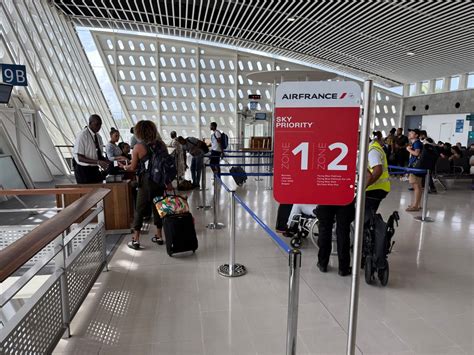
Strategic Recommendations: Minimizing Risk
To avoid falling into this inflexible trap, travelers should take the following precautions:
- Double-check names before finalizing any booking
- Use the 24-hour cancellation policy if mistakes are caught early
- Consider refundable fares for high-risk trips or uncertain schedules
- Avoid booking for others unless their travel is 100% confirmed
- Consider using reputable travel agencies that offer better support for name corrections
In scenarios involving companies or families, using corporate accounts or travel programs with added flexibility can mitigate the risk.
Final Verdict: Rigid, But Not Uncommon
Air France’s ticket non-transferability policy, while frustrating, is firmly rooted in industry norms and security obligations. Though some flexibility exists for minor corrections and within 24 hours of booking, passenger substitutions are not permitted. Travelers must tread carefully, double-check information, and opt for flexible fare options when needed.
Understanding these nuances helps set realistic expectations and enables smarter travel planning. In a world where even minor errors can cost thousands, attention to detail at the point of booking is not just helpful—it is essential.