If you’ve ever scrolled through drone forums or found yourself puzzled while browsing regulations, you’ve probably seen people obsess over one strange number: 249 grams. This weight shows up again and again, and for good reason. It’s not arbitrary — it marks the legal threshold that determines how drones are regulated in the United States and many parts of the world.
Let’s break it down simply, then dig into the detailed reasons why that single gram makes all the difference.
What’s So Special About 249 Grams?
In the United States, the Federal Aviation Administration (FAA) uses 250 grams as a regulatory breakpoint. If your drone weighs 250 grams or more, you must register it with the FAA — even if you’re just flying it around your backyard for fun. But if your drone weighs 249 grams or less, and you’re only flying for fun (i.e., recreational purposes), you can skip registration.
Why 249 grams? Because 250 grams is seen as the cutoff point for potential risk. At that weight and above, drones are considered capable of causing enough harm to people or property to warrant official tracking. The FAA drew the line there — and drone manufacturers responded accordingly.
Flying Recreationally vs. Commercially: Why Purpose Matters
Weight isn’t the only factor. What you do with your drone also affects the rules you must follow.
Recreational Use
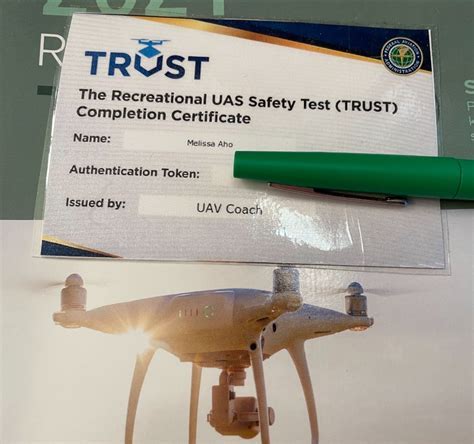
If you fly just for fun — taking pictures for yourself, flying in a park, or just learning to pilot — and your drone weighs under 250 grams, you’re largely free from paperwork. However, you still must take the TRUST test (The Recreational UAS Safety Test). It’s free, easy, and ensures you understand basic safety rules.
Commercial Use (Part 107)
Things change if you’re using the drone for work — maybe you’re filming for a client, inspecting buildings, or monetizing your YouTube drone footage. In that case, it doesn’t matter if your drone weighs 5 pounds or 249 grams — you still need:
- An FAA Part 107 license (which involves passing a knowledge test)
- To register your drone, regardless of weight
The weight exemption only applies to recreational use. That’s where many people get confused.
Controlled Airspace: Where You Fly Matters Too
Even with a sub-250g drone, airspace rules still apply. Just because you don’t need to register it doesn’t mean you can fly anywhere.
If you’re within controlled airspace — such as within 5 miles of an airport — you might need to request authorization using LAANC (Low Altitude Authorization and Notification Capability). LAANC tools like AirHub or DJI’s built-in app will let you submit a quick request with details like:
- Your name
- GPS location
- Altitude (common tiers: 0’, 100’, 200’, 400’)
- Duration of flight
Most of the time, if your planned flight is within approved limits, you’ll get near-instant authorization.
Flying in uncontrolled airspace, like remote parks or wilderness areas, is much easier. Still, always check local rules — not every city allows drones freely.
Respecting Privacy and Safety: Flying Over People and Property
Regardless of drone weight, flying over people or private property without permission can lead to real problems.
With lightweight drones like the DJI Mini series, it’s tempting to treat them like toys — but they still spin sharp rotors and fall from the sky when the battery dies. That’s why experienced pilots:
- Maintain a safe altitude between 100–150 feet, high enough to avoid rotor wash causing nuisance
- Prefer flying over public areas (streets, easements, fields) to minimize risk
- Avoid flying in backyards or near windows, which raises privacy concerns
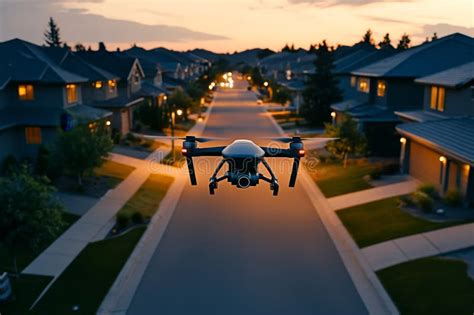
Even without registration, reckless flying can lead to complaints or fines. Be smart, courteous, and legally aware.
Choosing a Drone Under 249g: Why the DJI Mini Series Leads the Pack
Major manufacturers quickly saw the advantage of a 249g limit — and began building drones that fit under it without sacrificing features.
Popular examples include:
- DJI Mini 2
- DJI Mini 3 Pro
- DJI Mini 4 Pro
These drones offer 4K video, GPS stabilization, obstacle sensors, and even smart flight modes — all within the legal weight range.
However, certain accessories can tip the drone over 250g. For example:
- Upgraded “Plus” batteries in the Mini 4 Pro increase flight time but also trigger Remote ID broadcast requirements
- Propeller guards and aftermarket parts can push total weight beyond 250g, thus voiding the exemption
Always double-check the weight with all gear attached before assuming you’re under the legal threshold.
What Is Remote ID, and Do Sub-250g Drones Need It?
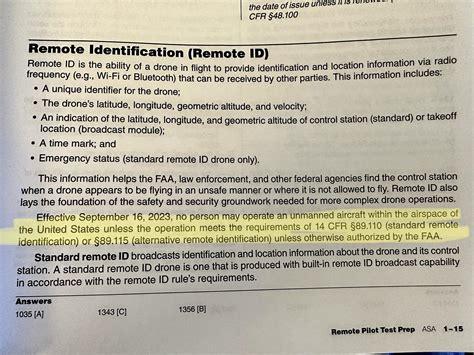
Remote ID is like a digital license plate. It broadcasts your drone’s location, ID, and control station coordinates to nearby receivers. As of April 2024, it’s required for most drones flying in U.S. airspace.
But drones under 250g used recreationally are exempt from Remote ID.
If you’re flying a DJI Mini 4 Pro:
- Using the standard battery, you stay below 250g and don’t trigger Remote ID
- Switching to a Plus battery puts you over the limit, and Remote ID requirements kick in automatically
That’s how DJI engineered compliance flexibility — it’s on you to configure the drone responsibly.
European Drone Regulations: Similar Weight Limits, Stricter Operator Requirements
The European Union follows a similar sub-250g rule but adds extra layers.
In the EU:
- Any camera-equipped drone requires you to register as an operator — even under 250g
- If your drone is over 250g, you need a pilot competency certificate (A1/A3), often free and available online
- An Operator ID (like a license plate) must be visibly attached to the drone
- In countries like Italy, additional rules include mandatory QR-code registration for each drone and third-party liability insurance
Even when flying something tiny, the EU assumes all camera drones could pose a privacy risk — hence the universal operator registration.
Insurance and Liability: A Critical Oversight
In Europe, drone operators are typically required by law to carry liability insurance. This covers bodily injury or property damage caused by drone accidents. DJI’s Care Refresh plan covers repair or replacement of the drone — but not legal liability. It’s not a substitute for real insurance.
In the U.S., insurance is optional but strongly recommended, especially for:
- Commercial operators
- Events and weddings
- Urban flying
One incident — a crash into a parked car or a startled pedestrian — can cost thousands. Insurance fills that gap.
Why 249g Is a Sweet Spot, But Not a Free Pass
To wrap it up: drones under 249 grams offer a clever legal loophole for casual flyers, but they are not exempt from all rules. Flying responsibly means more than just staying under a weight limit — it involves respecting airspace, privacy, and safety norms.
You still need to:
- Take the TRUST test
- Fly below 400 feet
- Keep your drone within visual line of sight
- Avoid restricted zones like stadiums or national parks
So yes, 249 grams is a magic number — but flying smart and legal requires a broader understanding.
Final Thoughts: Tiny Drones, Big Responsibility
We often think of lightweight drones as toys, but they’re far more powerful and capable than the quadcopters from a decade ago. Whether you’re filming sunsets, mapping terrain, or exploring creative aerial shots, understanding why 249g matters is essential.
This simple number draws the line between freedom and regulation, play and professionalism. But no matter the weight, every drone carries with it a duty to fly safe, legal, and respectful.
Understanding that makes you not just a better pilot — but a smarter one.