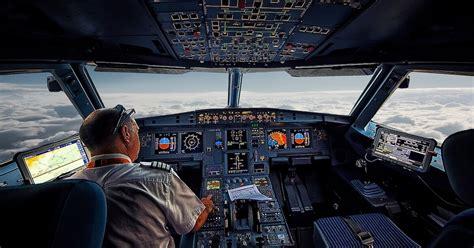
For many aviation enthusiasts and curious travelers, the cockpit of a commercial airliner represents the ultimate front-row seat in the sky. The allure of watching pilots at work, seeing real-time navigation and communication, and experiencing the aircraft’s command center is irresistible. Yet, for the average passenger, accessing the cockpit during a flight is nearly impossible due to stringent security regulations. Still, there are legal and safe ways to experience what it feels like to be in a pilot’s seat — some more accessible than you might expect.
Why Can’t Ordinary Passengers Ride in the Cockpit?
The days when friendly pilots would welcome passengers into the cockpit mid-flight are long gone. Post-9/11 aviation security laws have completely redefined cockpit access. Today, entry is strictly limited to flight crew, FAA inspectors, select airline employees, and occasionally air marshals. This rule is not merely a formality; it’s a crucial part of aviation safety. Unauthorized access poses significant risks, from security breaches to distractions for the pilots managing complex operations.
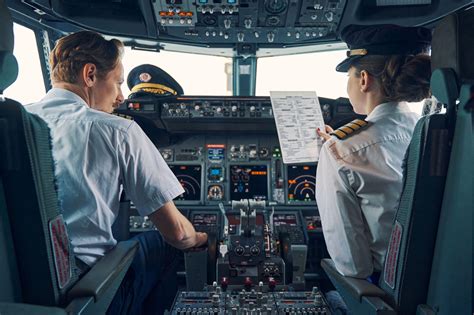
Airline captains have the final authority to approve or deny cockpit access under any circumstances, but on commercial flights, they rarely — if ever — make exceptions for passengers. Even mechanics or flight attendants who use the jumpseat must have a defined operational purpose. In short, there is no scenario in which a regular passenger can legally occupy the cockpit of a scheduled commercial flight during takeoff, cruise, or landing.
What About Visits Before or After the Flight?
While in-flight cockpit rides are out of the question, pre- or post-flight cockpit visits remain an excellent alternative. Pilots, especially on less time-pressured flights, often enjoy giving passengers a quick tour of the flight deck. Children, aspiring aviators, and aviation fans frequently get to peek inside the cockpit while the plane is at the gate. These short visits allow travelers to ask questions, take photos, and gain a deeper appreciation for the complexity of modern aviation.
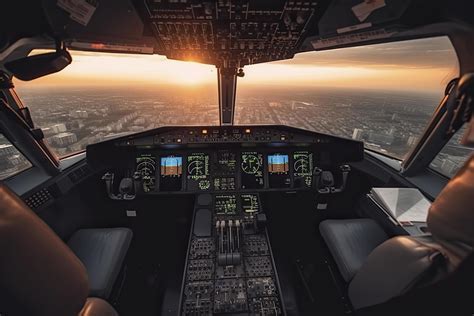
If you want to try this, politely ask the flight attendants if a visit is possible once the plane has landed. Timing matters — after landing and once passengers are disembarked, crews tend to be more relaxed and willing to accommodate such requests.
Flying on Small Aircraft: The Closest Thing to a Cockpit Ride
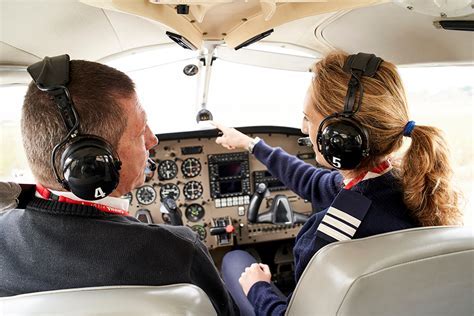
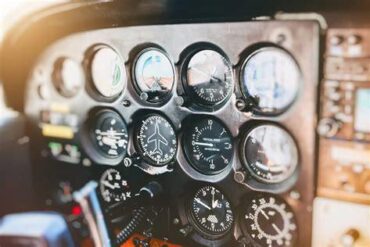
For those wanting more than a brief tour, flying on a small aircraft offers an authentic cockpit experience. In small planes, especially those used for flight training or charter services, there is no separation between pilots and passengers. Sitting in the co-pilot seat of a Cessna, Piper, or Beechcraft puts you directly next to the pilot, giving you a front-row view of every maneuver, instrument, and communication exchange.
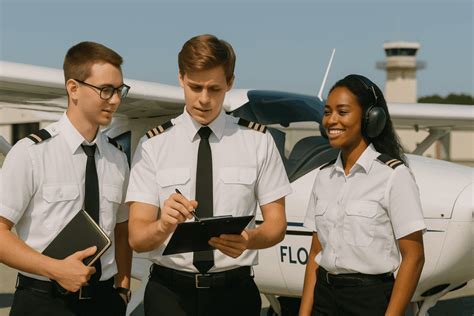
This option is more accessible than many think. Introductory flight lessons offered by local flight schools let you fly with a certified instructor, sometimes even giving you the opportunity to take the controls under supervision. Similarly, scenic flights and private charters on small aircraft provide a cockpit-like experience where the distinction between cabin and cockpit vanishes.
Charter Flights and Private Jets: Greater Flexibility
On private charter flights, especially those involving smaller aircraft, the rules are far more flexible. While larger private jets may still restrict cockpit access due to operational needs, many smaller aircraft have open cockpits or allow passengers to sit in the jumpseat. In these scenarios, the captain’s discretion is key. If the pilot feels comfortable and the flight profile permits, you may be able to experience the cockpit firsthand.
Corporate and luxury charters sometimes even encourage clients to observe cockpit operations as part of a premium aviation experience. This unique access provides unparalleled insight into how professional pilots navigate airspace and manage their aircraft.
Unique Programs That Put You in the Pilot Seat
If your goal is more than just watching pilots at work — if you want to feel what it’s like to fly — there are several programs designed to give non-pilots a cockpit experience:
- Introductory Flight Lessons: Offered by most flight schools, these sessions let you take off, handle the controls under supervision, and gain firsthand experience in flight.
- EAA Young Eagles Program: For children and teens, this Experimental Aircraft Association initiative provides free flights with volunteer pilots in small planes, aiming to inspire the next generation of aviators.
- Airline Pilot Experience Programs: Some aviation centers and simulators offer programs replicating the experience of flying a Boeing or Airbus aircraft. While not in the air, these high-fidelity simulators provide a realistic, cockpit-level immersion.
Can You Ride in the Cockpit of an Airliner?
On regularly scheduled passenger flights, the answer is unequivocally no. Cockpit jumpseats are strictly reserved for airline personnel with official duties, regulators, and occasionally government officials. Even airline employees not on duty cannot simply request a jumpseat ride without formal clearance. Additionally, international flights introduce additional restrictions, as ICAO and foreign aviation authorities enforce their own cockpit access rules.
The Legalities and Risks of Unauthorized Access
Attempting to bypass these rules can lead to serious consequences — from being denied boarding to criminal charges. Cockpit security is one of the most tightly enforced areas in aviation, and for good reason. Any unauthorized access is treated as a potential threat. Even if granted permission, you must comply with all instructions from the cockpit crew. It’s also important to note that cockpit access regulations differ by country, so what might be possible on a small regional flight in one nation could be completely illegal in another.
How to Get the Experience Without Breaking the Rules
For most people, the best ways to legally experience a cockpit environment are:
- Scheduling a flight lesson at a local flight school.
- Booking a scenic flight on a small charter plane.
- Asking for a cockpit tour after landing on your commercial flight.
- Participating in an aviation simulator session, especially those designed for enthusiasts.
Each of these options offers a safe and lawful way to engage with aviation in a meaningful, hands-on way.
Final Thoughts: Living the Dream, Legally
While the golden age of in-flight cockpit visits on commercial airliners has ended, opportunities still exist for those who wish to see what pilots see. Whether through flight schools, charter services, or cockpit tours after landing, ordinary citizens can still get close to the action — and in some cases, even take the controls. With the right approach and respect for aviation rules, you can live out the dream of sitting in the cockpit and understanding the incredible world of modern flight.