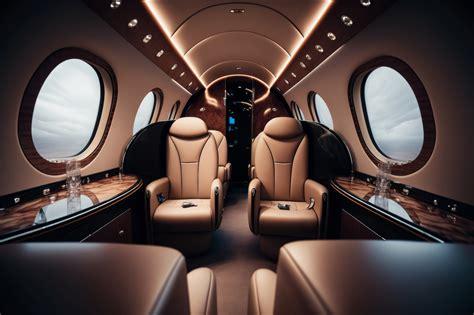
The fantasy of private aviation has always been wrapped in exclusivity. Glossy photos of leather club seats, champagne poured at 40,000 feet, and Gulfstreams parked beside private terminals created an industry that seemed permanently locked behind billionaire wealth. For decades, flying private meant paying five figures just to leave the runway. But a new category of aviation companies is quietly reshaping that assumption by offering near-private experiences for less than the price of some international business-class tickets.
What makes these services fascinating is not simply their affordability. It is the way they replicate the parts of private aviation travelers actually care about most: avoiding crowded terminals, bypassing endless TSA lines, arriving minutes before departure, and flying from quieter airports closer to city centers. In many cases, the aircraft themselves are secondary to the convenience and atmosphere surrounding the journey.
For travelers with disposable income who want a taste of luxury aviation without committing to a full charter, several companies now deliver remarkably refined experiences for under $1,000 per seat. Some even dip below $200 on select routes. The result is an entirely new segment of air travel sitting somewhere between commercial first class and true private jet ownership.
The experience is not exactly “private aviation” in the traditional sense. But for many passengers, it may actually be the smarter luxury.
After all, there is something deeply satisfying about walking into a private terminal while everyone else is still removing shoes at security checkpoints.
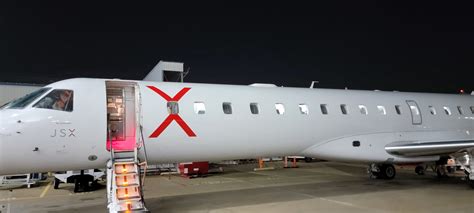
JSX Created The Closest Thing To Affordable Private Flying
Among all the companies attempting to democratize luxury aviation, JSX has become one of the most recognizable names. Its formula is deceptively simple: take regional airliners, strip out half the seats, operate from private terminals, and market the experience as a premium alternative to commercial chaos.
The brilliance of JSX lies in understanding what travelers truly hate about flying. Most people do not necessarily despise airplanes. They despise airports. They hate arriving two hours early, standing in long TSA lines, navigating crowded terminals, and squeezing into narrow seats beside strangers fighting for armrests.
JSX removes much of that pain.
The carrier primarily operates used Embraer ERJ-135 and ERJ-145 regional jets alongside newer ATR42-600 turboprops. In normal airline service, these aircraft typically seat between 40 and 50 passengers. JSX intentionally limits capacity to around 30 seats, dramatically increasing personal space and comfort.
Passengers arrive at private Fixed Base Operators, better known as FBOs, instead of major airline terminals. That single operational change transforms the entire experience. Travelers can often arrive only 20 minutes before departure, walk directly into a lounge-like facility, and board almost immediately.
The atmosphere feels radically different from traditional airline travel. There are no overwhelming gate announcements, no endless terminal corridors, and no stampedes during boarding groups. The environment feels calm, curated, and oddly civilized for modern aviation.
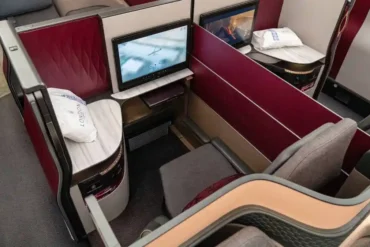
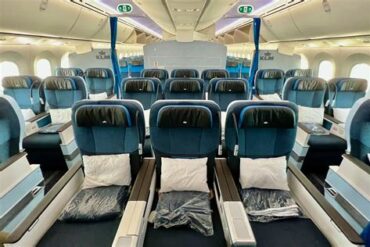
JSX also includes amenities that many legacy carriers increasingly charge extra for, including complimentary snacks, beverages, and Starlink Wi-Fi. Seats are noticeably larger than standard domestic economy cabins, and the reduced passenger count creates a far quieter onboard environment.
What truly makes JSX compelling is the pricing. While routes can occasionally climb toward premium levels, many flights remain under $1,000 one-way, and promotional fares sometimes fall as low as $149. That places the experience within reach of affluent leisure travelers, entrepreneurs, and business professionals who value time more than ultra-luxury branding.
The airline industry has spent years maximizing efficiency by squeezing more passengers into cabins. JSX reversed the equation and discovered travelers would gladly pay more for peace.
Aero Turns Regional Jets Into Boutique Luxury Lounges
If JSX feels like commercial aviation refined, Aero feels like boutique hospitality with wings attached.
The company operates under a similar regulatory structure, using Part 135 charter operations combined with Part 380 public charter rules to avoid traditional terminal processing. But Aero takes the onboard experience substantially further.
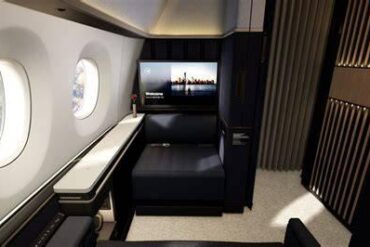
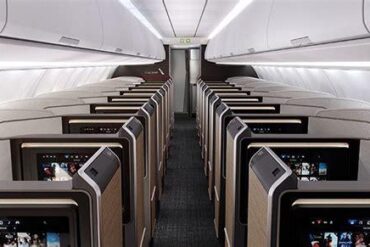
Its Embraer ERJ-135 aircraft feature just 16 seats in an elegant one-by-one configuration. Instead of the typical regional jet layout where passengers compete for overhead bin space and elbow room, Aero’s cabins resemble a minimalist luxury lounge floating above the clouds.
The aesthetic matters here. Aero intentionally designed its aircraft with sleek all-black interiors, understated lighting, and a sophisticated atmosphere targeting wealthy leisure travelers rather than corporate commuters.
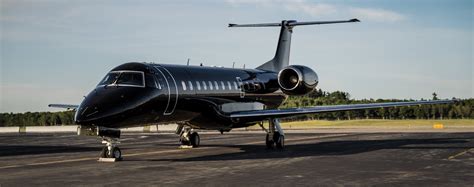
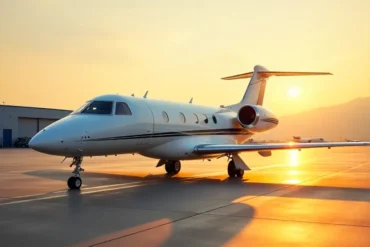
Unlike JSX, Aero also deploys genuine business jets on scheduled routes, including the Embraer Legacy 600 and Gulfstream IV. That detail fundamentally changes the experience because passengers are not merely flying on modified airliners anymore. They are literally boarding aircraft originally designed for ultra-wealthy private owners.
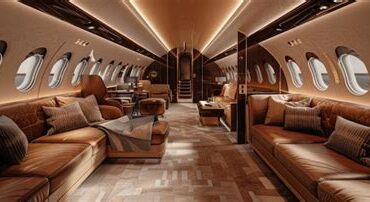
That distinction carries emotional weight. Aviation enthusiasts understand immediately when they step aboard a true executive jet. The proportions feel different. The cabin height changes. The seating arrangement becomes more intimate. The aircraft itself communicates exclusivity before the engines even start.
Many Aero routes focus on premium leisure destinations in the western United States and Hawaii. Ticket prices often begin around $600, though some flights exceed the $1,000 threshold depending on route demand and aircraft type.
Yet even at higher prices, Aero occupies a unique position in the market because it delivers something traditional first class often cannot: emotional exclusivity.
Commercial premium cabins still remind passengers they are participating in mass transportation. Aero attempts to erase that feeling entirely.
The FAA Regulations Quietly Powering The Semi-Private Boom
The rise of these hybrid aviation companies would not exist without a fascinating regulatory framework hidden deep within American aviation law.
Traditional airlines operate under FAA Part 121 regulations, which impose extremely strict operational, maintenance, and crew requirements. These rules govern large scheduled airlines like Delta, American, and United.
Private charter operators typically fly under Part 135 regulations instead. Those rules remain rigorous but are less restrictive in several operational areas, particularly for smaller aircraft and on-demand services.
Companies like JSX and Aero discovered they could creatively combine Part 135 charter operations with Part 380 public charter rules to create regularly scheduled flights that behave like airlines while maintaining many advantages associated with private aviation.
The result is a legal and operational gray zone that allows passengers to avoid traditional terminal infrastructure while still purchasing individual seats rather than chartering entire aircraft.
For travelers, the regulatory details barely matter. What matters is the practical outcome: dramatically faster airport processing and a far more relaxed travel experience.
The irony is delicious. Some of the most innovative disruptions in aviation are not coming from revolutionary aircraft technology. They are coming from lawyers and operational strategists reading FAA documentation differently.
Tradewind Aviation Makes Turboprops Feel Exceptionally Elegant
The word “turboprop” rarely inspires luxury fantasies. Most travelers associate propeller aircraft with cramped commuter flights and noisy cabins bouncing through bad weather.
Tradewind Aviation completely overturns that perception.
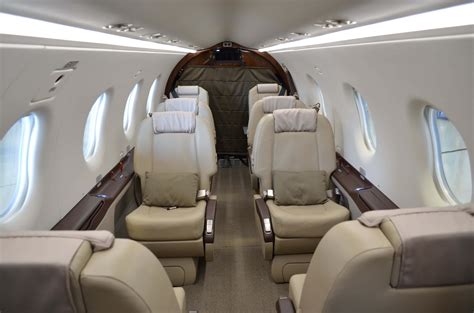
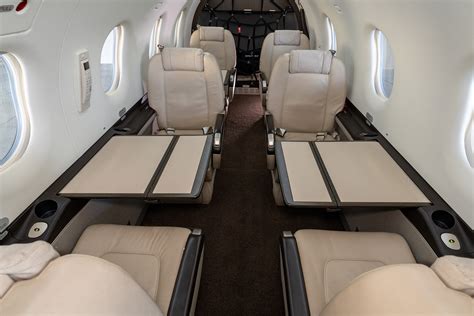
The company exclusively operates the Pilatus PC-12, one of the most respected aircraft in private aviation. Technically a turboprop rather than a jet, the Swiss-built PC-12 has earned a near-legendary reputation for versatility, reliability, and operational efficiency.
Wealthy travelers love it because it can access smaller airports unreachable by larger business jets while still offering refined cabin comfort.
Tradewind specializes in routes throughout the Northeast United States and Caribbean leisure markets, connecting affluent travelers to destinations that major airlines often underserve or ignore entirely.
The experience begins at private terminals, where passengers avoid the traditional airport circus entirely. Lounge access, quick boarding, and smaller passenger groups create an atmosphere that feels intentionally curated for relaxation rather than transportation efficiency.
Inside the PC-12, the environment feels personal and upscale. Unlike large commercial cabins filled with dozens or hundreds of passengers, the aircraft creates an intimate atmosphere where service feels genuinely attentive.
Tradewind’s appeal also comes from geography. Many of its destinations involve leisure travelers heading toward vacation homes, island resorts, or affluent coastal communities. The airline is effectively selling convenience wrapped inside exclusivity.
Its “Goodspeed Card Program” adds another intriguing layer by functioning almost like a hybrid between airline loyalty programs and private aviation memberships. Passengers can earn points on scheduled flights while also receiving discounted charter opportunities.
Importantly, the company avoids charging initiation or annual membership fees, a refreshing contrast to traditional private aviation programs that often resemble luxury country clubs with wings attached.
While some routes exceed the under-$1,000 benchmark, select flights regularly fall beneath that threshold, particularly during lower-demand periods.
For travelers wanting something quieter, calmer, and dramatically more personal than airline travel, Tradewind may be one of the most underrated experiences in North American aviation.
Surf Air Built A Subscription Model For Luxury Flying
Surf Air approached the private aviation industry with Silicon Valley logic.
Instead of treating luxury flying as an occasional indulgence, the company attempted to normalize it through subscription pricing. The strategy mirrored the broader subscription economy where consumers increasingly pay monthly fees for recurring lifestyle access.
At first glance, the idea sounded wildly ambitious. Unlimited private-style flying for a monthly fee seemed closer to a tech startup fantasy than a sustainable aviation business model.
Yet Surf Air successfully carved out a niche by focusing on regional routes where convenience mattered more than aircraft size.
The company itself does not directly operate flights. Instead, it partners with operators including Southern Airways Express, using Pilatus PC-12 aircraft to connect smaller airports across the western United States.
Passengers still enjoy many advantages associated with private aviation. Flights often depart from FBOs rather than crowded terminals, boarding remains fast and efficient, and routes frequently connect destinations poorly served by major airlines.
Surf Air’s subscription packages begin around $199 monthly, while unlimited access plans can reach approximately $2,500 per month. Not every flight requires membership, however, and individual tickets on select routes can remain comfortably under $1,000.
The company also sits inside a larger aviation innovation ecosystem through its parent company, Surf Air Mobility, which is investing heavily in hybrid-electric propulsion systems and AI-powered operational software.
That broader ambition makes Surf Air particularly interesting because it positions itself not merely as a luxury airline alternative, but as part of a future regional air mobility network.
Whether that vision ultimately transforms aviation remains uncertain. But the company deserves credit for recognizing something traditional airlines often ignore: affluent travelers are willing to pay significantly more if flying becomes meaningfully less stressful.
BLADE Sells Time More Than Transportation
BLADE operates in perhaps the most brutally honest segment of luxury aviation.
The company understands that wealthy travelers in cities like New York are often not trying to avoid commercial flights themselves. They are trying to avoid the miserable ground transportation required to reach them.
Getting from Manhattan to JFK during rush hour can feel like an endurance event. Traffic turns relatively short distances into hour-long ordeals, and premium rideshare prices can become absurdly expensive.
BLADE’s solution is elegantly simple: helicopters.
For roughly $195 per seat, passengers can fly between Manhattan and major airports including JFK and Newark in as little as five to seven minutes.
That pricing suddenly makes helicopter transfers feel surprisingly rational rather than outrageously extravagant.
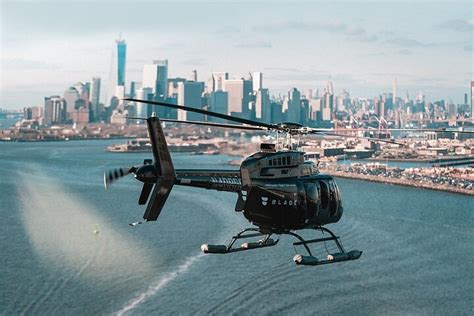
The company also offers routes connecting Manhattan with the Hamptons, Connecticut, Atlantic City, and Westchester, while expanding internationally with services such as transfers between Nice Côte d’Azur Airport and Monaco.
Unlike companies attempting to replicate full private jet experiences, BLADE focuses obsessively on time efficiency. The luxury here is not necessarily leather seating or cabin design. It is reclaiming hours otherwise wasted sitting in urban traffic.
That distinction reflects a broader truth about modern luxury consumption. Increasingly, wealthy consumers value convenience and time savings above visible extravagance.
A helicopter ride to the airport may sound indulgent, but missing an hour of Manhattan gridlock suddenly makes the economics feel surprisingly reasonable.
BLADE also operates seaplane services on certain routes, adding an almost cinematic quality to the travel experience. Few transportation moments feel more surreal than lifting off beside skyscrapers before landing near a coastal estate less than an hour later.
The company effectively transformed urban transportation frustration into a premium aviation business.
That is either genius or the most New York thing imaginable.
Why These Experiences Are Quietly Reshaping Luxury Aviation
The traditional private aviation industry remains firmly dominated by ultra-wealthy individuals, corporate flight departments, and fractional ownership programs. Chartering an entire aircraft still costs thousands — sometimes tens of thousands — per hour.
But companies like JSX, Aero, Tradewind, Surf Air, and BLADE revealed an important market reality: many travelers do not actually need complete aircraft ownership to feel satisfied.
What they truly want is reduced friction.
They want faster airport access, quieter terminals, better seating, less waiting, and more control over their travel experience. Once those benefits become accessible at sub-$1,000 price points, luxury aviation suddenly expands beyond billionaires and celebrities into a much larger affluent customer base.
These services also expose an uncomfortable reality for major airlines. Traditional commercial aviation has become so stressful and exhausting that travelers are actively searching for alternatives that simply restore dignity to flying.
That may be the most remarkable part of this entire trend.
Passengers are not paying hundreds of dollars extra merely for champagne or leather seats. They are paying to feel human again during air travel.