Entering the world of aircraft maintenance ownership is a formidable challenge that demands not just technical expertise, but business acumen, regulatory literacy, and relentless perseverance. Many A&P-certified professionals dream of stepping out of hangars and into boardrooms, evolving from technician to entrepreneur. But how exactly does one transition from wrench-turning to owning a full-fledged Maintenance, Repair, and Overhaul (MRO) operation?
Understanding the Landscape of Aircraft Maintenance Operations
The aircraft maintenance industry operates under strict regulatory oversight, with organizations typically classified as Part 145 repair stations by the Federal Aviation Administration (FAA). These certified entities are authorized to perform maintenance tasks, from inspections to full-scale overhauls, on aircraft and their components. But breaking into this domain means much more than simply setting up shop.
To get started, it’s essential to understand that aircraft maintenance operations span a spectrum:
- A&P Shop: A small business operated by Airframe and Powerplant (A&P) mechanics, often focused on General Aviation (GA).
- Line Maintenance Units: Mobile or fixed-location teams handling minor repairs, inspections, and troubleshooting.
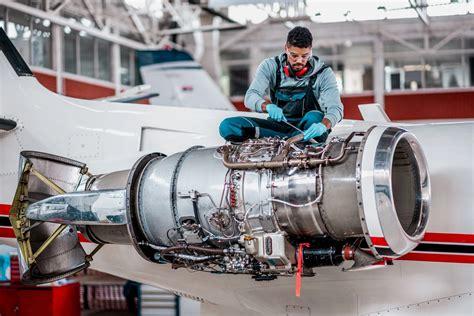
- Component Repair Specialists: Niche outfits focusing on specific parts like auxiliary power units (APUs), landing gear, or avionics.
- Full-Service MROs: Large-scale operations conducting heavy checks (C and D), modifications, and overhauls on commercial jets.

Start Small: The Realistic Entry Point for Most A&P Mechanics
Many A&P professionals start with the goal of owning an MRO capable of servicing commercial aircraft like Airbus or Boeing, but it’s critical to recognize that starting small is not a compromise—it’s a strategic necessity. Jumping straight into C-checks for airliners is unrealistic without tens of millions in capital, extensive infrastructure, and a global network of certifications.
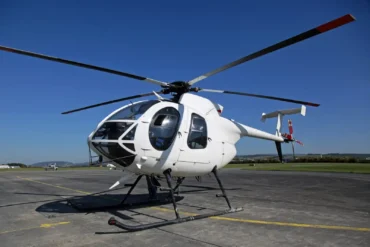
Instead, begin with a targeted, limited Part 145 certification. This might mean applying to become a Limited Airframe or Limited Powerplant repair station, focused on a narrow scope—say, light aircraft such as the Cessna 172.
To get certified, you’ll need:
- A clearly defined scope of work
- Appropriate facilities and tools
- Required test equipment for your approved functions
- A quality control system
- Operations and repair manuals tailored to your scale (don’t overcomplicate this)
The FAA certification process typically takes 6 to 12 months, depending on the completeness of your application and your region’s FAA office workload.
Secure the Foundation: Capital, Tools, Insurance, and Licenses
Owning an aircraft maintenance business isn’t just about skills—it’s about having the right mix of resources and protections.
Capital Requirements
Starting a basic shop might cost $50,000 to $250,000, depending on the tools, space, and initial certifications. But as you scale up to more ambitious operations—especially commercial line maintenance or full-scale MRO—you’ll need anywhere from $5 million to $50 million+.
Insurance
Many new entrants struggle to even obtain liability insurance, which is essential when working on valuable aircraft. Shop around early. The moment you touch customer aircraft, you’ll need protection—especially in GA, where contracts often hinge on insured status.
Licenses and Regulatory Setup
- A&P Certificate: The baseline requirement
- Inspection Authorization (IA): Highly recommended if you’re operating independently
- Part 145 Certification: For shops aiming to scale
- Business License & Local Permits: Don’t overlook municipal regulations and zoning
Choosing the Right Business Model: Fixed Base or Mobile Line MRO?
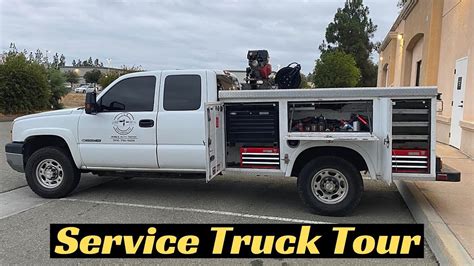
You don’t need a massive hangar to succeed. In fact, many professionals are pivoting to mobile MRO services. This lean model focuses on AOG (Aircraft on Ground) and line maintenance, offering fast-response repairs, inspections, and light servicing at airports without requiring costly infrastructure.
Advantages of Mobile MRO
- Lower overhead
- Wider service area
- High hourly billing potential (often $120/hour or more)
- No need for a dedicated hangar
This model allows you to gain experience, build a customer base, and reinvest earnings toward eventual expansion.
Market Specialization: Your Secret Weapon
Competing with billion-dollar MROs for airline contracts is a losing game for startups. Instead, focus on niche services or underserved markets:
- Specialty Component Repair: Starter generators, oxygen bottles, avionics
- GA Maintenance: Focused on owners of piston aircraft or light turboprops
- Experimental Aircraft: Builders often need experienced help
- Crop Duster Support: Highly profitable in agricultural states
- Lease Return Inspections: High pay, low overhead contracting work
A strategic specialization creates a sustainable competitive advantage, allowing you to avoid price wars and attract loyal clients.
Build Your Reputation, Not Just a Brand
In aviation, trust is currency. This is a tight-knit industry where word-of-mouth and professional credibility determine success more than advertising budgets.
Network Aggressively
Connections with decision-makers are essential. Airline maintenance contracts are awarded to people with relationships inside the system—not to strangers with slick websites. Leverage:
- Industry events and conferences
- LinkedIn and aviation-specific job boards
- Alumni networks and veterans’ groups
- Direct outreach to airline maintenance managers
Start as a Contractor
Doing independent contract work while keeping your airline job is a practical way to test the waters. Side gigs doing lease returns, documentation audits, or small jobs for GA owners let you gain experience, income, and confidence.
The Long-Term Game: Scaling to a Full MRO
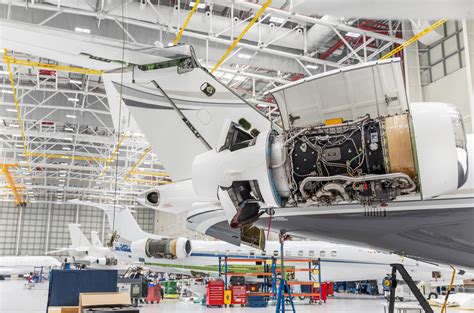
If your long-term ambition is to build a commercial MRO servicing Airbus and Boeing aircraft, be prepared for a multi-decade journey. You will need:
- A full Part 145 Repair Station with broad ratings
- Multiple hangars (often 100,000+ sq ft total)
- Specialized jigs, lifts, and tooling
- Experienced teams with commercial aircraft experience
- Massive operating capital (often $50M+)
You’re now competing with global giants like Lufthansa Technik, AAR, and HAECO. The only way to break in is through an existing niche, acquiring an established shop, or partnering with strategic investors.
Lessons from Those Who’ve Done It
Names like Barry Lapointe (KF Aerospace) and Bruce Byerly (Byerly Aviation) come up repeatedly as inspirations. These figures started small—some from a van—and scaled over decades through grit, reputation, and savvy partnerships.
The takeaway? It’s not only possible, it’s been done. But only by those willing to grind, adapt, and stay lean in the early years.
Final Thoughts: Is It Worth It?
Yes—if you have the patience, realism, and network to see it through. Aircraft maintenance entrepreneurship is not a get-rich-quick path. It’s capital intensive, slow to scale, and mired in regulation. But for those with a love of aviation, operational skill, and a business mindset, it can offer autonomy, purpose, and the rare ability to build something lasting.
The smartest path? Work your current job. Contract on the side. Build a client base. Start limited. Grow gradually. The sky is the limit—but only if you learn to fly before you build the jet.