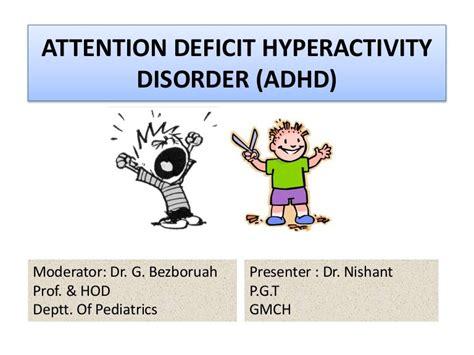
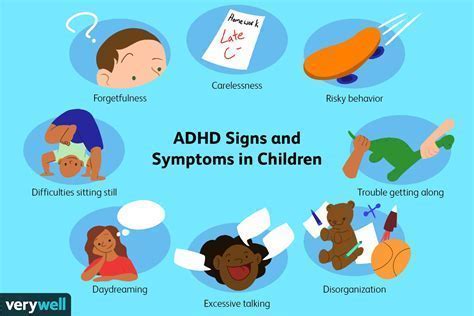
ADHD is characterized by symptoms of inattention, hyperactivity, and impulsivity. These symptoms can manifest in various forms, including disorganization, distractibility, excessive motor activity, restlessness, and impulsive decision-making. While ADHD is commonly diagnosed in childhood, it often persists into adulthood, affecting approximately 2.5% of adults worldwide. The disorder is typically classified into three subtypes based on the primary symptoms exhibited:
- Predominantly inattentive presentation: Characterized primarily by difficulty in sustaining attention and organizing tasks.
- Predominantly hyperactive/impulsive presentation: Marked by excessive activity and impulsive behavior.
- Combined presentation: A mixture of both inattention and hyperactivity/impulsivity symptoms.
These symptoms can significantly affect a pilot’s ability to perform critical tasks that require sustained focus, good judgment, and precise decision-making under pressure.
ADHD and Its Impact on Flight Safety
Research has shown that cognitive errors, particularly those related to aeronautical decision-making (ADM), are a leading cause of aviation accidents. The National Aeronautics and Space Administration (NASA) has identified distractions and errors in ADM as primary contributors to such incidents. The cognitive challenges posed by ADHD, such as difficulties in staying focused and making sound judgments, can increase the risk of these errors.
Pilots with ADHD may be prone to behaviors that compromise safety, such as:
- Failure to adequately prepare for a flight: This includes not reviewing weather conditions or other critical pre-flight checks.
- Continuation of flight under unsafe conditions: Pilots with ADHD may ignore deteriorating weather conditions, continuing flight even when it becomes risky.
- Engagement in hazardous actions: This includes actions like low-level maneuvering to impress others, which can lead to accidents.
- Distracted decision-making: Inattention or impulsivity can cause pilots to overlook important details, such as maintaining proper airspeed or altitude.
The risk of such behaviors increases when ADHD symptoms are unrecognized or untreated. Unfortunately, some pilots with ADHD fail to disclose their condition to Aviation Medical Examiners (AMEs), which can lead to fatal accidents if the condition is discovered posthumously through toxicology reports showing the presence of ADHD medications.
ADHD Medications and Their Impact on Pilot Performance
The pharmacological treatment of ADHD, while effective for managing the disorder’s symptoms in everyday life, is not approved for use in aviation. The medications commonly prescribed for ADHD, such as stimulants and non-stimulants, can impair a pilot’s cognitive, motor, and perceptual functions, which are crucial for safe flight operations.
Medications like amphetamines (e.g., Adderall) and methylphenidate (e.g., Ritalin) are known to affect decision-making abilities and the recognition of fatigue. These drugs can lead to a temporary improvement in focus but may also cause significant side effects such as jitteriness, anxiety, and impaired coordination, especially during longer flight durations. Moreover, their effects are time-limited, which could be problematic if a dose is missed or if the medication wears off during flight.
Given the safety implications, the Federal Aviation Administration (FAA) and other aviation regulators worldwide have stringent policies regarding the use of ADHD medications by pilots. Pilots diagnosed with ADHD must be thoroughly evaluated by medical professionals familiar with aviation standards before being cleared to fly.
The FAA’s Approach to ADHD and Pilots
The FAA takes a cautious approach to ADHD in pilots, primarily due to the potential risks that untreated or poorly managed ADHD presents in aviation settings. The agency requires pilots to undergo a comprehensive evaluation by a licensed psychologist if there is a history of ADHD. This evaluation is designed to determine whether the symptoms of ADHD negatively affect the pilot’s ability to safely operate an aircraft.
The FAA’s process for assessing pilots with ADHD includes:
- A detailed review of the pilot’s medical history and symptomatology.
- Cognitive and psychological testing to assess the impact of ADHD on the pilot’s cognitive performance.
- Ongoing monitoring if the pilot is granted a Special Issuance (SI) medical certificate, which is time-limited and requires periodic assessments.
Pilots who fail to disclose their ADHD diagnosis during the application process risk having their medical certification revoked if the condition is discovered after an accident. This highlights the importance of transparency and adherence to regulatory guidelines.
The Challenges of Diagnosing ADHD in Pilots
One of the complications in managing ADHD in aviation is the challenge of accurate diagnosis. ADHD is often misdiagnosed or underdiagnosed, particularly in adults. The symptoms of ADHD can overlap with other mental health conditions, such as anxiety or depression, which can lead to incorrect treatment or medication.
Additionally, the pressure to quickly address a pilot’s concerns may lead to premature diagnoses. As a result, some pilots may be incorrectly treated for ADHD without sufficient evidence to support the diagnosis. This makes the FAA’s rigorous evaluation process even more critical, as it ensures that only those who genuinely have ADHD and whose condition significantly impacts flight safety are restricted from flying.
Risk Management and Training for Pilots with ADHD
To mitigate the risks associated with ADHD, it is essential to integrate specific training and safety protocols for pilots diagnosed with the disorder. Training programs that focus on managing distractions, improving decision-making skills, and enhancing situational awareness can help reduce the impact of ADHD on flight safety.
Simulation-based training can be particularly beneficial in replicating high-stress flight situations that require quick decision-making. Scenario-based training allows pilots to practice making critical decisions in a controlled environment, helping them to hone their skills and manage the cognitive challenges posed by ADHD.
Moreover, regular refresher courses and evaluations can help pilots with ADHD maintain their competencies and ensure that their condition does not interfere with safe flight operations.
Conclusion
Pilots with ADHD face unique challenges that can significantly affect flight safety. The cognitive impairments associated with ADHD, such as inattention, impulsivity, and distractibility, make it critical for both pilots and regulatory authorities to take the necessary steps to ensure safe flying conditions. The FAA’s stringent evaluation process, combined with proper training and ongoing monitoring, helps mitigate the risks of ADHD in aviation, ensuring that only those with the appropriate capabilities are allowed to fly. However, the importance of early diagnosis and transparency cannot be overstated, as undisclosed or untreated ADHD can result in catastrophic consequences in the aviation industry.