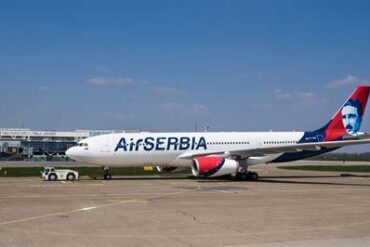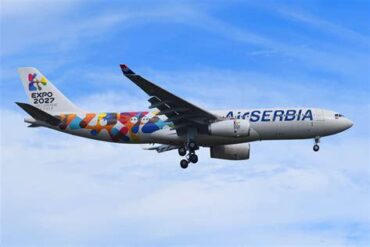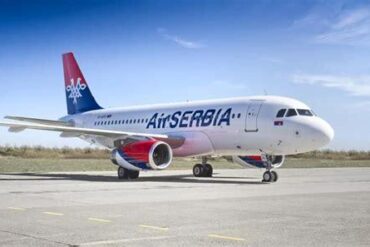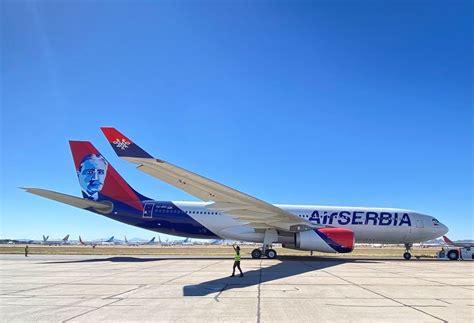
Air Serbia’s strategic launch of a seasonal direct route between Belgrade and Mykonos is a defining moment in summer travel for Europe. As the Serbian national carrier expands its presence across the Mediterranean, this latest move not only amplifies connectivity between the Balkans and the Aegean but also integrates a web of seamless air links spanning Italy, the Netherlands, Spain, Switzerland, Cyprus, Poland, Slovenia, the Czech Republic, and beyond. With flights operating twice weekly throughout the summer, the Belgrade–Mykonos route introduces a high-demand leisure link, backed by robust transit capabilities through Air Serbia’s growing European network.
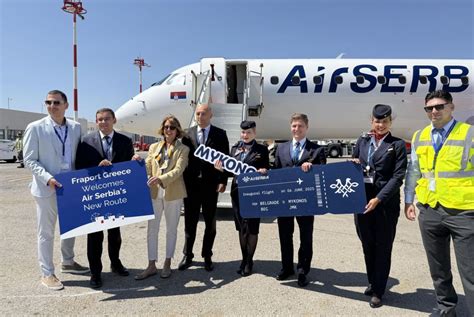
The inaugural flight, JU554, was met with a ceremonious welcome on the sun-drenched runways of Mykonos International Airport. This celebration was more than pageantry—it signified economic cooperation and cultural alliance between Greece and Serbia. Diplomats, tourism officials, and airline executives gathered to underscore the mutual benefits of enhancing regional connectivity. The atmosphere was festive but focused, highlighting how this new route stands at the intersection of tourism, diplomacy, and smart aviation strategy.
Mykonos: A Magnetic Hub of Mediterranean Luxury
Often described as the Jewel of the Aegean, Mykonos is not merely a holiday destination—it’s a global brand. Known for its iconic windmills, sugar-cube buildings, and the azure brilliance of the Aegean Sea, the island blends rustic Cycladic charm with cosmopolitan sophistication. Sun-seekers bask on beaches like Psarou and Paradise, while the narrow, bougainvillea-laced streets of Chora hum with life. Yet Mykonos is more than its Instagram allure; it’s a symbol of Greece’s enduring appeal as a Mediterranean powerhouse.
From luxury yachts anchored in Ornos Bay to DJ-fueled nights at Scorpios and Nammos, the island balances hedonism with heritage. Visitors find serenity in Orthodox chapels perched on hillsides and energy in the buzz of Little Venice. This duality—tranquility and thrill—is what makes Mykonos irresistible.
Belgrade: A Rising Star in European Urban Tourism
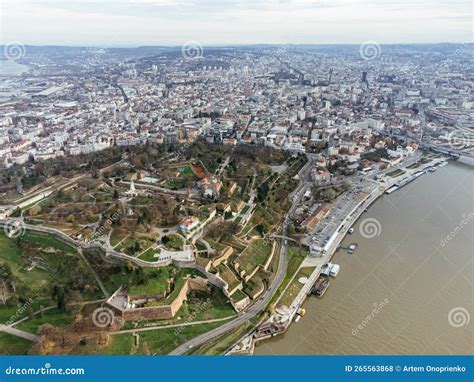
On the other side of this route is Belgrade, a city ascending as a tourism hotspot. With its booming creative districts, riverfront promenades, and vibrant nightlife, Serbia’s capital is becoming a destination in its own right. Sava riverside projects and the Belgrade Waterfront development have drawn attention for transforming the urban skyline. Meanwhile, historical gems like Kalemegdan Fortress and the bohemian quarter of Skadarlija offer timeless appeal.
By directly linking Belgrade to Mykonos, Air Serbia not only facilitates outbound travel for Serbians but positions Belgrade as a vital transit gateway for travelers across Europe. The capital’s Nikola Tesla Airport is fast evolving into a regional hub, enabling swift and convenient connections.
Seamless Transit Across the Continent
What elevates this route beyond a point-to-point offering is the comprehensive connectivity it enables. Travelers arriving in Belgrade from Mykonos can continue seamlessly to dozens of destinations. These include:
- Western European cultural capitals like Paris, Milan, Amsterdam, and Barcelona
- Central European urban centers such as Vienna, Zurich, Krakow, and Prague
- Southern and Eastern Mediterranean links including Larnaca, Alghero, Zagreb, and Ljubljana
Such seamless transfer potential positions Air Serbia as a competitive force among mid-tier European carriers. The airline’s strategy taps into a broader shift in post-pandemic travel preferences: consumers now favor flexibility, regional proximity, and authentic experiences over mass-market international itineraries.
Responding to Soaring Mediterranean Demand
The decision to launch the Belgrade–Mykonos route wasn’t arbitrary. It aligns with a data-driven understanding of travel demand across Southern Europe. As international tourism rebounds, there’s a distinct surge in desire for sun-drenched, experience-rich getaways. Mykonos—with its blend of luxury, accessibility, and heritage—ticks every box for the modern European traveler.
Moreover, Serbia’s outbound travel market has shown increased interest in Greek destinations. Previous successes with routes to Thessaloniki, Heraklion, and Rhodes offered a clear indication of traveler appetite. By introducing Mykonos into the schedule, Air Serbia is not only expanding options but optimizing route profitability during high summer demand windows.

Reinforcing Bilateral Relations Through Travel
Air travel does more than move passengers—it knits countries closer through economic exchange and cultural dialogue. The new route reinforces a warm history between Serbia and Greece. Both nations enjoy deep-rooted Orthodox traditions, strong diplomatic ties, and shared Mediterranean sensibilities.
The airline’s decision supports these ties while offering tangible benefits. Greek tourism stakeholders anticipate increased Serbian visitor flows, particularly during Orthodox summer holidays. Conversely, Greeks now have direct access to explore Belgrade’s dynamic arts scene, culinary diversity, and river-based leisure.
Tourism boards on both sides have endorsed the route, viewing it as a blueprint for successful bilateral engagement. With accessible pricing, modern aircraft, and efficient scheduling, the service embodies a traveler-first approach.
A Strategic Move in a Competitive Market
Air Serbia’s network development team has demonstrated strategic acumen. Launching seasonal routes into a competitive Mediterranean landscape—dominated by low-cost carriers and legacy brands—is a bold yet calculated play. The airline’s agility, combined with its growing fleet and improving service standards, gives it a niche edge: premium connections at competitive prices with regional authenticity.
The twice-weekly schedule—operating Mondays and Fridays—is tailored to meet both weekend leisure demand and extended-stay itineraries. This timing optimally captures traveler segments ranging from young professionals to high-net-worth individuals seeking discreet escapes.
Future Growth and the Road Ahead
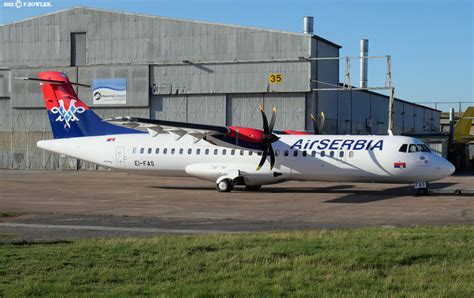
While Mykonos is the headline destination for summer 2025, Air Serbia’s broader vision includes fortifying Belgrade as a pan-European transfer hub. New aircraft acquisitions and digital infrastructure investments are already underway. Looking ahead, the airline is eyeing expansion not only to other Greek islands but also to under-served destinations in the Balkans and Eastern Mediterranean.
Sustainability also factors into future planning. The airline is exploring carbon offset programs, efficient flight scheduling, and collaboration with European aviation bodies to meet evolving climate mandates—all while maintaining its growth trajectory.
Conclusion: A Mediterranean Masterstroke
The direct Belgrade–Mykonos service isn’t just a flight—it’s a symbol of European interconnectivity, regional tourism empowerment, and adaptive aviation strategy. Through this launch, Air Serbia has created more than a new travel route; it has engineered a gateway to the Mediterranean that touches 15 countries with style, speed, and simplicity.
For travelers seeking sun, sea, and cultural synergy, summer 2025 just got significantly better. Whether it’s a night of dancing on Mykonos sands or a river cruise through historic Belgrade, Air Serbia is now the bridge connecting Europe’s heart to its hedonistic soul.