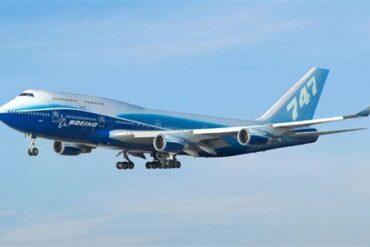
Flying the Boeing 747 in 2025 is no small feat—whether you’re an airline executive, a private charter mogul, or a high-net-worth individual seeking sky dominance. Once the queen of long-haul commercial aviation, the 747’s grandeur is now matched by its immense costs. From fuel-guzzling engines to regulatory compliance and long-term maintenance, running this four-engine behemoth in today’s market is a costly passion project or a calculated operational choice.
By dissecting the real-world economics of operating a Boeing 747, we reveal what it truly takes to keep the iconic double-decker airborne in this decade.
The Enduring Legacy of the 747
The Boeing 747 revolutionized aviation when it entered service in 1970 with Pan Am, offering unparalleled range and capacity. Over its five-decade production run, the jet grew through multiple iterations—culminating in the technologically refined 747-8i. Boeing delivered its last-ever 747 in 2023, officially closing the chapter on production, though its legacy still soars through active fleets worldwide.
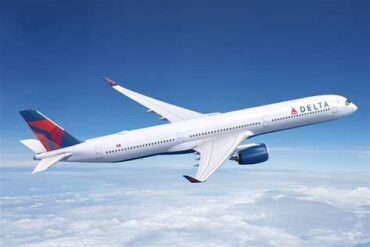
While newer, fuel-efficient twinjets like the Airbus A350 and Boeing 777 dominate long-haul travel today, some operators persist with the 747 due to its robust build, enormous capacity, and iconic presence.
Hourly Operating Costs: The Raw Reality
Operating costs vary significantly between the 747-400 and the more modern 747-8, both of which still fly with a handful of airlines and cargo operators. According to retired USAF command pilot Tom Farrier, a generic estimate for running a 747-400 comes in at $25,000 per flight hour. This figure includes variable costs like:
- Fuel: 10–12 tons per hour (33% of total cost)
- Crew salaries
- Maintenance checks
- Landing and navigation fees
With fuel prices being volatile, this cost can swing dramatically. The 747-8, powered by GEnx-2B67 engines, offers around 16% better fuel efficiency per seat than its predecessor. But the increased range and passenger count (up to 467 in a three-class layout) balance out some of those savings, keeping overall hourly costs relatively similar.
Fuel Consumption and Cost Structure
Jet fuel represents a critical cost driver. The 747 burns between 10,000–12,000 kg (22,000–26,000 lbs) of fuel per hour. At an average global jet fuel price of $2.35 per gallon in 2025, this translates to over $8,000–$10,000 per hour just for fuel.
Add in pilot and crew wages (easily exceeding $3,000 per hour for international flights), maintenance reserves ($2,000–$3,000/hr), and airport handling fees, and the numbers quickly climb. If you factor in additional charges like de-icing, onboard service, and long-haul overflight rights, $25,000/hour is often a conservative baseline.
Who Still Operates the 747 in 2025?
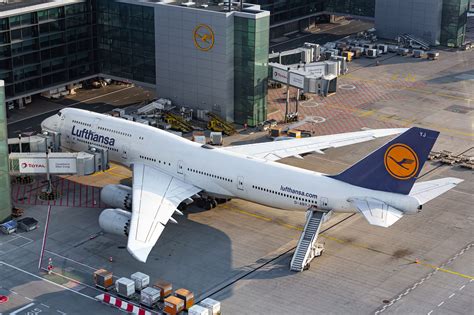
Passenger services aboard the 747 are increasingly rare. As of 2025, only four major airlines operate scheduled Boeing 747 passenger flights:
- Lufthansa: 8× 747-400s and 19× 747-8is
- Air China: 2× 747-400s and 7× 747-8is
- Korean Air: 5× 747-8is
- Rossiya Airlines: 5× 747-400s (recently reactivated for summer domestic use)
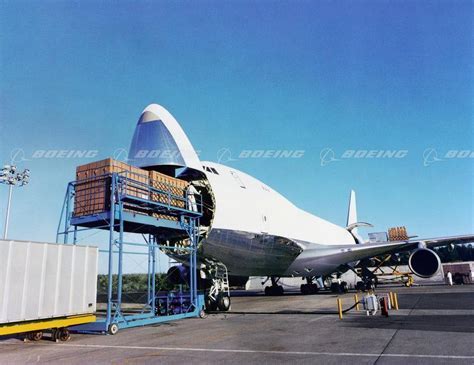
The freighter world still relies heavily on the jumbo. Atlas Air, UPS Airlines, and Cargolux top the charts with dozens of active 747-400F and 747-8F jets. Notably, Iran’s Mahan Air operates the oldest passenger 747-400 still in service (registration: EP-MEE), a nearly 35-year-old aircraft used for sporadic flights.
Buying a 747 in Today’s Market
With Boeing’s production lines shut down, buying a brand-new 747 is off the table. However, the secondhand market offers some surprisingly affordable options—though ownership brings operational headaches.
- A used 747-400 can be purchased for under $25 million, depending on condition.
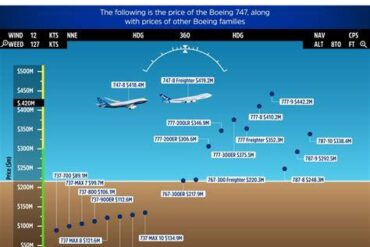
- The Boeing Business Jet 747-8 (BBJ)—the private jet variant—had a list price of $367 million, excluding interior customization.
But acquiring the airframe is just the beginning. Costs for conversion, refurbishing, and FAA/EASA recertification can easily exceed the initial purchase price. And remember, hangar space, pilot training, and ground support require infrastructure that most private or startup operators don’t have ready.
Charter and Lease Costs: A Temporary Option?
If buying a 747 outright is impractical, leasing or chartering offers flexibility. According to Paramount Business Jets, chartering a 747-400 starts at $30,000 per hour, though Mercury Jets lists some availability as low as $25,000 per hour. For longer-term use:
- Dry Lease (no crew/maintenance): $55,000–$110,000 per month
- Wet Lease (includes crew, insurance, maintenance): Price varies widely depending on route, usage, and duration
Wet leasing, especially for freight operations, remains a pragmatic solution for airlines looking to fill capacity gaps without long-term commitment. British virtual airline Global Airlines, for example, recently used a damp-leased Airbus A380 to launch its services—an approach that may become increasingly relevant for superjumbo operations.
The Private 747: A Billionaire’s Sky Palace
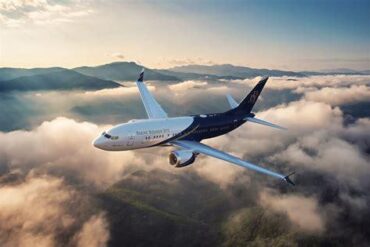
The private jet version of the 747-8 is among the rarest and most exclusive aircraft ever built. Only 17 BBJ 747-8s exist worldwide. Each boasts:
- Palatial interiors (meeting rooms, bedrooms, lounges)
- Onboard WiFi and full connectivity suites
- Self-defense and security enhancements
Operating costs soar beyond $23,000 per hour, and fuel demands remain equally heavy. For those seeking unparalleled airspace prestige, however, the cost is merely a footnote.
VC-25A: The Presidential 747
The U.S. President’s aircraft—two VC-25A jets derived from the 747-200—are the most expensive 747s to operate. With heavily customized interiors, defensive countermeasures, and classified communication systems, these jets cost a staggering $177,843 per flight hour as of FY2021.
That’s nearly eight times the commercial 747 average.
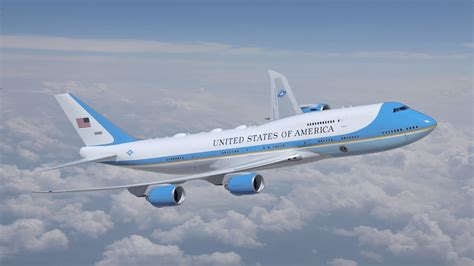
The aircraft were procured in 1987 and underwent extensive retrofitting, including:
- Secure conference room
- Medical suite
- Presidential living quarters
- In-flight refueling capabilities
Powering the Giant: The GEnx Engine
The 747-8’s propulsion is courtesy of the GE GEnx-2B67 engine, developed from the GEnx-1B used on the 787 Dreamliner. These engines are known for their high efficiency and reliability, offering:
- 66,500 pounds of thrust
- 9.0:1 bypass ratio
- 15% better fuel burn over the previous CF6 engine
Built with lighter composites and fewer parts, the GEnx offers substantial maintenance savings. Over 400 of these engines have been sold specifically for the 747-8 program.
Final Thoughts: Is Operating a 747 Worth It?
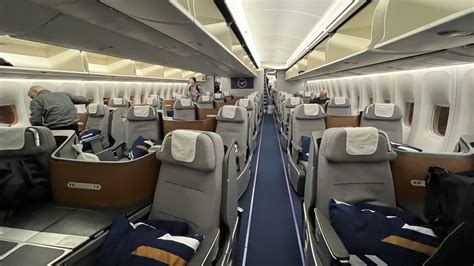
In today’s aviation climate, running a Boeing 747 is less about economics and more about mission suitability or prestige. For cargo giants, the aircraft still makes sense due to volume and global reach. For passengers, it’s either a matter of brand legacy—like Lufthansa’s commitment to the 747-8i—or a luxury statement.
Ownership comes with monumental challenges:
- Expensive maintenance cycles
- Scarce parts and skilled technicians
- Increasing regulatory scrutiny
But despite the costs, the Boeing 747 remains one of the most celebrated aircraft in history. Its unmistakable hump, upper-deck lounge, and raw power ensure its place as a timeless aviation icon.
Whether flying as Air Force One, transporting medical aid on behalf of the Red Cross, or carrying luxury passengers to elite destinations, the 747 continues to make history—with a price tag to match.