Premium economy has evolved from a simple upgrade into a strategically engineered product designed to capture both comfort and value. Airlines are no longer treating it as a marginal cabin—they are investing heavily in seat design, ergonomics, and passenger experience to bridge the gap between economy and business class. At the center of this transformation lies one defining factor: recline performance.
Recline is not merely about how far a seat leans back. It is a complex interplay of seat mechanics, pitch, leg support, and personal space preservation. Some airlines prioritize deep recline angles, while others innovate with fixed-shell designs that redefine how space is shared. The result is a competitive landscape where passengers can choose vastly different comfort philosophies depending on the airline.
Understanding which carriers truly excel requires a close look at both engineering design and real-world usability. The following six airlines stand at the forefront of premium economy recline, each offering a distinct approach that reshapes expectations for long-haul comfort.
Why Recline Defines the Premium Economy Experience
In premium economy, recline is the single feature that most directly influences sleep quality, posture, and fatigue levels on long-haul flights. A standard economy seat typically offers limited recline, often resulting in awkward angles and disrupted rest. Premium economy aims to fix this—but not all implementations are equal.
Traditional reclining seats tilt backward, often encroaching on the passenger behind, while newer designs—particularly fixed-shell seats—shift forward instead. This subtle difference dramatically changes the experience. It determines whether a passenger can stretch comfortably, exit their seat easily, or maintain uninterrupted personal space throughout the flight.
Airlines that excel in this category go beyond raw numbers like “8-inch recline.” They integrate leg rests, footrests, seat pitch, and ergonomic shaping to create a cohesive relaxation system. The best products feel closer to a relaxed lounge chair than a traditional airline seat.
Japan Airlines: Engineering Personal Space With Fixed-Shell Precision
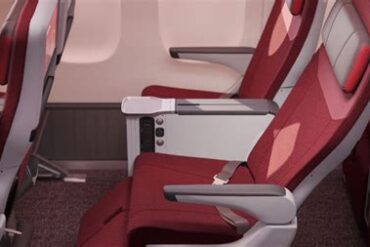
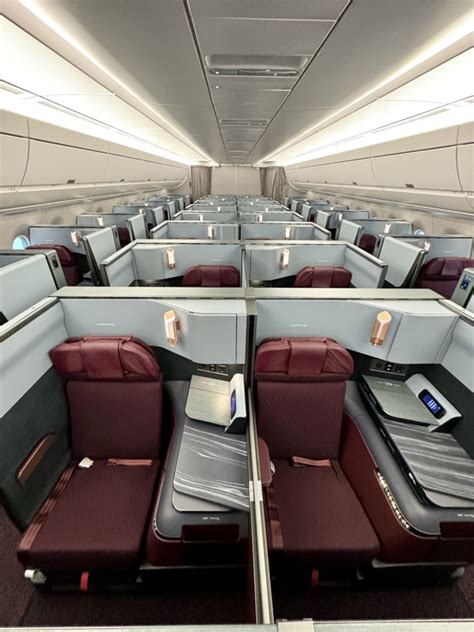
Japan Airlines has redefined premium economy recline with a forward-thinking fixed-shell seat design aboard its Airbus A350-1000 fleet. Instead of reclining backward, the seat slides forward into a 45-degree relaxed position, ensuring that no passenger loses space due to someone else’s movement.
This approach eliminates one of the most frustrating aspects of air travel: the intrusion of the seat in front. Passengers retain a consistent personal zone, allowing them to stretch, adjust, and rest without compromise. The addition of a leg rest extending to nearly 180 degrees further enhances comfort, creating a semi-lounger effect.
With a generous 42-inch pitch and nearly 19-inch seat width, the experience feels spacious and controlled. The fixed-shell concept may slightly reduce flexibility compared to traditional reclining seats, but it more than compensates by delivering predictable comfort and uninterrupted space—a rare luxury in commercial aviation.
Virgin Atlantic: Award-Winning Comfort With a Traditional Recline Twist
Virgin Atlantic brings a different philosophy aboard its Boeing 787-9 Dreamliner. Here, the focus is on deep cushioning, wide seating, and a classic recline mechanism that prioritizes comfort over spatial innovation.
With up to 8 inches of recline and a 125-degree seat angle, the experience is undeniably relaxing. The 21-inch seat width—among the widest in the category—provides a sense of openness that enhances the reclining experience. Combined with a well-designed footrest, the seat supports natural body positioning during rest.
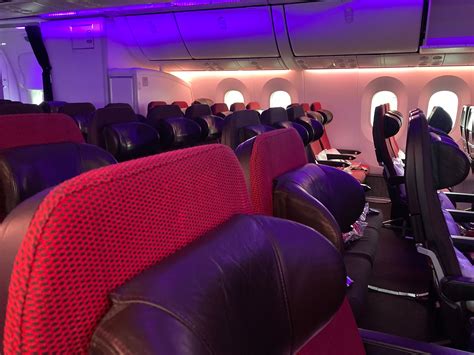
However, this traditional system comes with a trade-off. When the passenger in front reclines, space becomes tighter, particularly when trying to exit the seat. Despite this limitation, the overall comfort level remains high, which explains why Virgin Atlantic continues to receive industry recognition for its premium economy product.
Emirates: A Refined Recline Within a Luxury Ecosystem
Emirates has approached premium economy as part of a broader luxury transformation strategy, particularly through its extensive fleet upgrades on the Airbus A380 and Boeing 777.
The seat offers up to 8 inches of recline, but what sets it apart is its six-way adjustability, allowing passengers to fine-tune their seating position. This flexibility creates a more personalized comfort profile, accommodating different body types and resting preferences.
A 40-inch pitch and integrated calf and footrests enhance the reclining experience, making it feel more like a controlled relaxation system than a simple tilt-back seat. Emirates also integrates premium finishes and thoughtful design touches, elevating the entire cabin atmosphere.
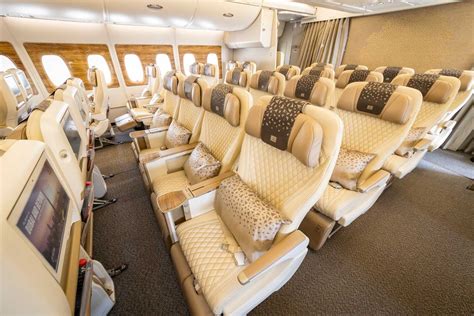
While the recline depth matches competitors, the precision of adjustment and overall cabin design push Emirates into a higher tier of perceived comfort.
Air New Zealand: Hybrid Comfort With Forward-Recline Innovation
Air New Zealand adopts a hybrid approach aboard its retrofitted Boeing 787-9 Dreamliner fleet, blending fixed-shell mechanics with traditional recline principles.
The seat reclines up to 8 inches, but instead of leaning backward, it moves forward into the passenger’s own space. This preserves the comfort of those behind while still allowing a noticeable relaxation angle. However, unlike Japan Airlines, this motion slightly reduces usable seat pitch, subtly tightening legroom when fully reclined.
To counterbalance this, Air New Zealand integrates calf rests, footrests, and privacy wings, creating a semi-enclosed seating environment. The result is a seat that feels intimate and supportive, particularly for long-haul flights where sleep quality matters most.
The design reflects a clear priority: balanced comfort without compromising cabin harmony. It may not deliver the deepest recline, but it excels in maintaining a consistent and respectful passenger experience.
Singapore Airlines: A Holistic Premium Economy Experience
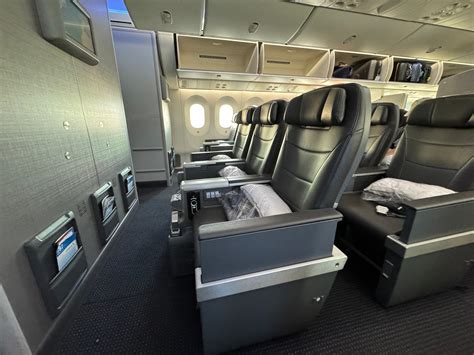
Singapore Airlines takes a broader approach, ensuring that recline is just one part of a carefully curated premium journey across its Airbus A350, Airbus A380, and Boeing 777 fleets.
The seat offers around 8 inches of recline, paired with a 38-inch pitch and integrated leg and footrests. While these figures may appear standard, the execution is anything but. The seat is designed for ergonomic alignment, supporting the spine and reducing pressure points during extended periods of rest.
What truly elevates the experience is the surrounding ecosystem. Priority services, enhanced dining options, and thoughtful cabin service create a seamless transition from ground to air comfort. Recline becomes part of a larger narrative—one where every element contributes to passenger well-being.
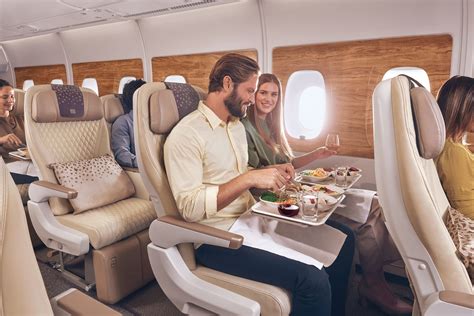
The result is a product that feels cohesive and refined, rather than defined by a single feature.
Cathay Pacific: The Benchmark for Maximum Recline
Cathay Pacific sets the gold standard with its industry-leading 9-inch recline, available on the Airbus A350-900 and Boeing 777.
This extra inch may seem minor on paper, but in practice, it delivers a noticeably deeper and more comfortable resting angle. Combined with a 40-inch pitch, full-length leg rest, and adjustable headrest, the seat creates a near-lounge experience within the premium economy cabin.
Cathay Pacific enhances this with practical design features, including larger tray tables, noise-canceling headphones, and refined cabin materials. The seat supports both relaxation and productivity, making it equally suited for sleep and work.
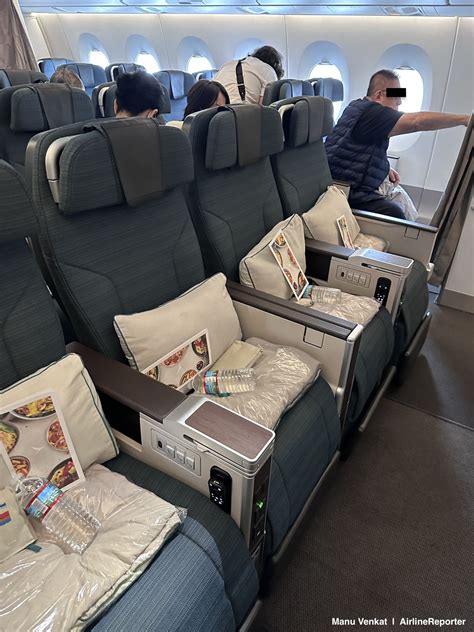
Unlike fixed-shell designs, Cathay retains a traditional recline mechanism, meaning passengers must still consider the impact on those behind. However, the airline’s careful spacing and ergonomic design minimize this drawback, ensuring that the depth of recline translates into genuine comfort rather than inconvenience.
The Evolution of Recline: From Simple Tilt to Smart Engineering
The six airlines highlighted here demonstrate how premium economy recline has evolved from a basic mechanical feature into a sophisticated engineering discipline. Each carrier reflects a different philosophy:
- Japan Airlines and Air New Zealand prioritize space preservation through forward-recline systems
- Virgin Atlantic and Cathay Pacific focus on maximizing traditional recline depth
- Emirates and Singapore Airlines integrate recline into a broader luxury and service ecosystem
This diversity means there is no single “best” solution—only the one that aligns with a passenger’s priorities. Those who value privacy and consistency may prefer fixed-shell designs, while travelers seeking maximum recline depth will gravitate toward traditional systems.
Choosing the Right Premium Economy Recline for Your Journey
Selecting the ideal premium economy seat requires understanding how recline interacts with flight duration, personal comfort preferences, and cabin layout. On ultra-long-haul routes, a deeper recline and leg support can significantly improve sleep quality. On shorter flights, ease of movement and consistent space may matter more.
The airlines leading this segment are not simply competing on numbers—they are redefining what it means to travel comfortably without stepping into business class. Recline has become a strategic differentiator, shaping how passengers perceive value and comfort in modern aviation.
As premium economy continues to evolve, one thing is clear: the days of settling for “just a little more legroom” are over. Today’s best seats deliver a thoughtfully engineered balance of space, support, and relaxation, transforming the journey into something far more refined.