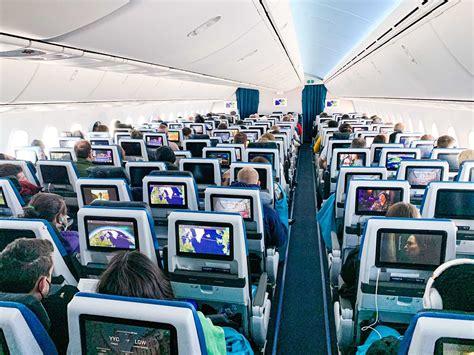
For millions of travelers, economy class is the true battleground of commercial aviation. While first class suites and ultra-premium business cabins generate headlines, the reality is that the overwhelming majority of global passengers spend long-haul journeys in economy seats. In 2026, the difference between a good flight and an exhausting one often comes down to a few critical centimeters of legroom, seat width, recline, entertainment quality, and cabin configuration.
The world’s best airlines understand this reality. Instead of treating economy passengers as an afterthought, several elite carriers have transformed the cabin into a genuinely comfortable experience. Across Asia especially, airlines continue to dominate the global rankings for economy seating excellence, blending intelligent cabin layouts with advanced ergonomics, superior entertainment systems, and thoughtful passenger-focused design.
The modern economy seat has evolved dramatically over the last decade. Seat shells are slimmer yet more supportive, screens are larger and sharper, and airlines increasingly compete through spatial efficiency rather than simply cramming more passengers onboard. Yet only a handful of carriers have resisted the industry-wide trend toward tighter seating configurations.
In 2026, the airlines offering the world’s most superior economy class seats are not necessarily those with the flashiest branding. They are the airlines that prioritize personal space, intelligent cabin architecture, and long-haul comfort in ways that passengers genuinely notice after ten or twelve hours in the air.
Among all global airlines, five carriers stand far above the rest: EVA Air, Singapore Airlines, Korean Air, All Nippon Airways, and Japan Airlines.
Their approach to economy travel proves that comfort still matters.
After years of shrinking seat pitch and increasingly dense cabin layouts across much of the aviation industry, these airlines continue to preserve spacious seating standards that many competitors abandoned long ago. Their aircraft interiors demonstrate how thoughtful engineering can dramatically improve the long-haul flying experience without requiring passengers to purchase premium cabins.
The competition is especially fierce across transpacific and Asian long-haul markets, where airlines face demanding travelers accustomed to exceptionally high service standards.
EVA Air’s Boeing 777 Economy Cabin Remains One Of Aviation’s Hidden Gems
EVA Air has quietly built one of the strongest reputations in global aviation. While many travelers recognize the Taiwanese airline for its premium economy innovation and highly regarded business class cabin, its economy seating remains one of the industry’s most underrated achievements.
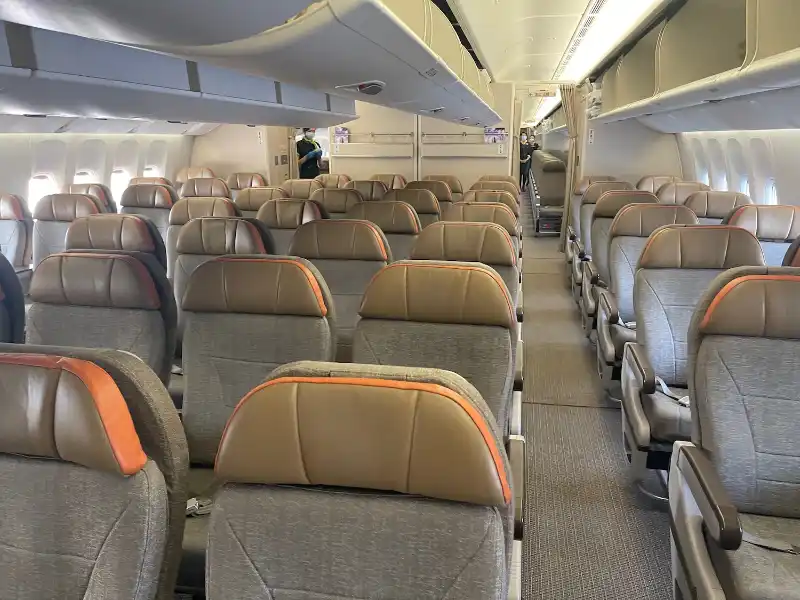
The airline operates a diverse widebody fleet including the Airbus A330-300, Boeing 777-300ER, and Boeing 787 Dreamliner family. Across nearly all aircraft, EVA Air maintains an impressive 32 inches of seat pitch, giving passengers noticeably more legroom than the global average.
Where EVA Air truly separates itself from competitors is aboard its Boeing 777-300ER fleet.
Most airlines configure the Boeing 777 with ten seats per row in economy class. This maximizes passenger capacity but dramatically reduces comfort. EVA Air resisted this trend on most of its 777 fleet by installing only nine seats across each row.
That single-seat difference changes everything.
Passengers receive substantially wider 18-inch seats alongside broader aisles that make the cabin feel significantly less claustrophobic during long-haul flights. Shoulder space improves considerably, and the extra width becomes especially noticeable during overnight journeys.
The airline’s Collins Pinnacle seats on the 777 fleet deliver excellent cushioning and ergonomic support, while the Recaro CL3710 seats on the Boeing 787 fleet provide modern styling and enhanced comfort features. Large entertainment screens and excellent onboard catering further elevate the experience.
EVA Air also benefits from exceptional cabin consistency. Unlike some global airlines that mix drastically different seat standards across aircraft types, EVA maintains a generally reliable long-haul economy product.
Travelers should still pay attention to subfleet variations. A portion of EVA’s Boeing 777 fleet uses denser ten-abreast seating layouts, specifically the 77B configuration. However, the majority of aircraft retain the superior nine-abreast arrangement that has become highly valued among experienced long-haul travelers.
In practical terms, EVA Air delivers one of the least fatiguing economy experiences currently available on ultra-long-haul routes.
Singapore Airlines Continues To Perfect Long-Haul Economy Travel
Few airlines carry a reputation as prestigious as Singapore Airlines. Consistently ranked among the world’s finest carriers, the airline has spent decades refining nearly every aspect of passenger experience.
Its economy class seating strategy reflects a philosophy centered around spaciousness, technological refinement, and consistency.
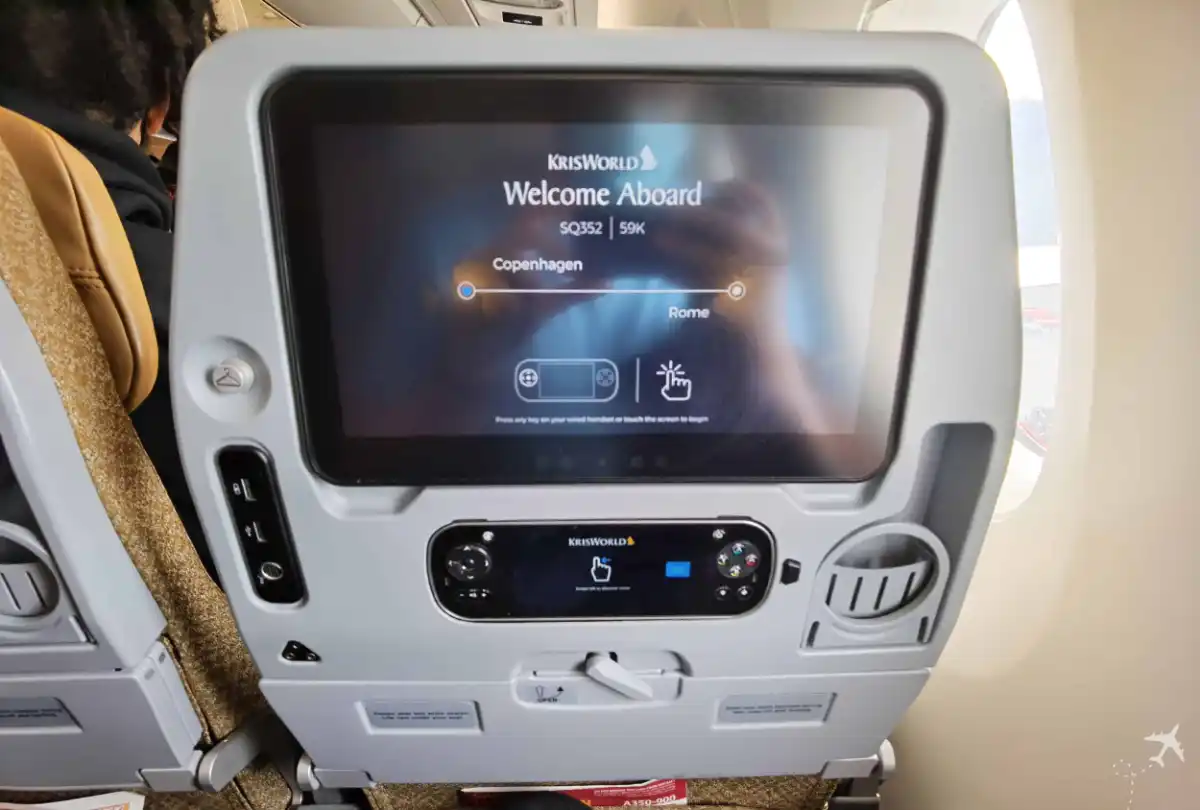
Singapore Airlines uses several advanced seat models across its fleet, including the Safran Z300 and Recaro CL3710. Regardless of aircraft type, passengers receive one of the most polished economy products in commercial aviation.
The airline’s widebody aircraft typically provide 32 inches of legroom, a generous standard in today’s increasingly compressed economy cabins. Seat width also remains highly competitive, particularly aboard the Airbus A350, Airbus A380, and Boeing 777 fleets.
The Boeing 777-300ER deserves special attention.
Like EVA Air, Singapore Airlines configures these aircraft with nine seats per row instead of ten. This dramatically improves passenger comfort and preserves wider seating dimensions throughout the cabin.
On long-haul flights exceeding twelve hours, the difference becomes enormous.
Passengers gain better sleeping posture, increased shoulder room, and easier movement throughout the flight. Wider aisles also reduce congestion during meal services and boarding.
Singapore Airlines complements its spacious seating with one of the industry’s best entertainment systems. Seatback displays range between 11.1 and 11.9 inches on widebody aircraft, offering crisp visuals and extensive content libraries.
The airline also integrates universal AC power outlets, USB charging ports, and Panasonic Wi-Fi connectivity across much of the fleet.
What truly distinguishes Singapore Airlines, however, is cabin refinement. Lighting tones, seat materials, tray table engineering, and storage solutions all feel exceptionally well considered. Even in economy class, the airline creates an atmosphere that feels premium without appearing excessive.
Its Airbus A380 fleet remains particularly impressive. Thanks to the aircraft’s naturally wider fuselage, economy passengers enjoy a noticeably more spacious environment compared with narrower twin-engine aircraft.
Singapore Airlines proves that economy class does not need to feel purely functional. With thoughtful cabin design and disciplined seating standards, it can still feel elegant.
Korean Air Offers Some Of The Most Spacious Economy Seats In Asia
Korean Air has long maintained a reputation for generous economy seating, particularly compared with many North American and European competitors.
Even as airlines worldwide continue tightening cabin configurations, Korean Air has preserved relatively spacious seating standards across much of its long-haul fleet.
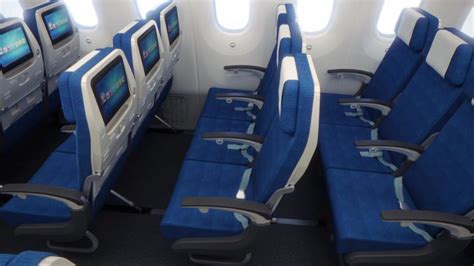
Most Korean Air widebody aircraft feature at least 33 inches of legroom, surpassing the industry norm and immediately improving comfort on long-duration routes.
That additional inch may sound minor on paper, but over the course of a fourteen-hour transpacific journey, it significantly affects circulation, posture, and overall fatigue levels.
Korean Air’s Boeing 777 fleet historically gained attention for maintaining nine-abreast seating in economy. Combined with wide seat dimensions and excellent recline, these cabins became favorites among frequent international travelers.
The airline also equips its long-haul aircraft with high-quality entertainment screens, power ports, and strong inflight entertainment libraries.
Service quality further enhances the onboard experience. Korean Air’s cabin crews consistently receive strong reviews for attentiveness, professionalism, and efficiency, while the airline’s catering standards remain among Asia’s best.
However, Korean Air is currently undergoing a fleet modernization process that introduces a more complicated reality.
Some refurbished Boeing 777 aircraft are being converted to denser ten-abreast layouts. While these newer cabins include upgraded screens and more modern seat designs, they sacrifice one of the airline’s historic advantages: generous seat width.
This transition creates a noticeable divide between older and newer configurations.
Passengers specifically seeking maximum comfort increasingly target Korean Air’s older nine-abreast Boeing 777s, which continue delivering one of the most spacious economy experiences available on major intercontinental routes.
Despite these changes, Korean Air remains among the global leaders in economy seating comfort thanks to its excellent legroom standards and overall cabin quality.
All Nippon Airways Delivers Remarkable Legroom In Economy Class
Japan’s aviation sector has developed a global reputation for precision, cleanliness, and passenger comfort. All Nippon Airways, commonly known as ANA, reflects those qualities throughout its long-haul fleet.
ANA’s economy cabins stand out primarily because of one astonishing figure: 34 inches of seat pitch.
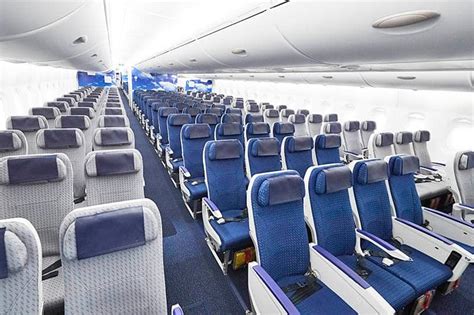
That amount of legroom rivals extra-legroom seating sections on many Western airlines. On ANA, it is frequently available in standard economy.
For taller passengers especially, the difference is transformative.
Long-haul flights become substantially less restrictive, allowing easier movement, improved sleeping positions, and reduced physical strain. Few major international airlines still offer this level of standard economy legroom in 2026.
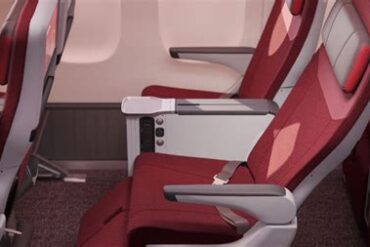
ANA pairs this spaciousness with advanced seat technology. Its newest cabins feature six-way adjustable headrests, extendable footrests, universal power outlets, and exceptionally large entertainment screens reaching 13.3 inches on some aircraft.
The Airbus A380 fleet introduces another unique feature called ANA Couchii.
These specialized economy rows include expandable leg rests that create a sofa-like resting surface, allowing passengers to stretch out more comfortably during long-haul flights to destinations such as Hawaii.
Although ANA’s Boeing 787 fleet uses standard nine-abreast seating common across the Dreamliner industry, the airline’s generous legroom still keeps comfort levels highly competitive.
Some of ANA’s Boeing 777 reconfigurations now feature denser ten-abreast layouts, reducing seat width compared with earlier cabins. Nevertheless, the airline’s exceptional legroom standards help offset some of that reduction.
What ANA consistently demonstrates is that economy comfort depends on more than a single measurement. Cabin atmosphere, ergonomic refinement, and thoughtful seat engineering matter equally.
The airline excels in all three categories.
Japan Airlines Operates The World’s Best Economy Class Seats
Among all international airlines, Japan Airlines currently offers what many aviation experts consider the single best economy class experience in the world.
Its dominance comes from one extraordinary decision.
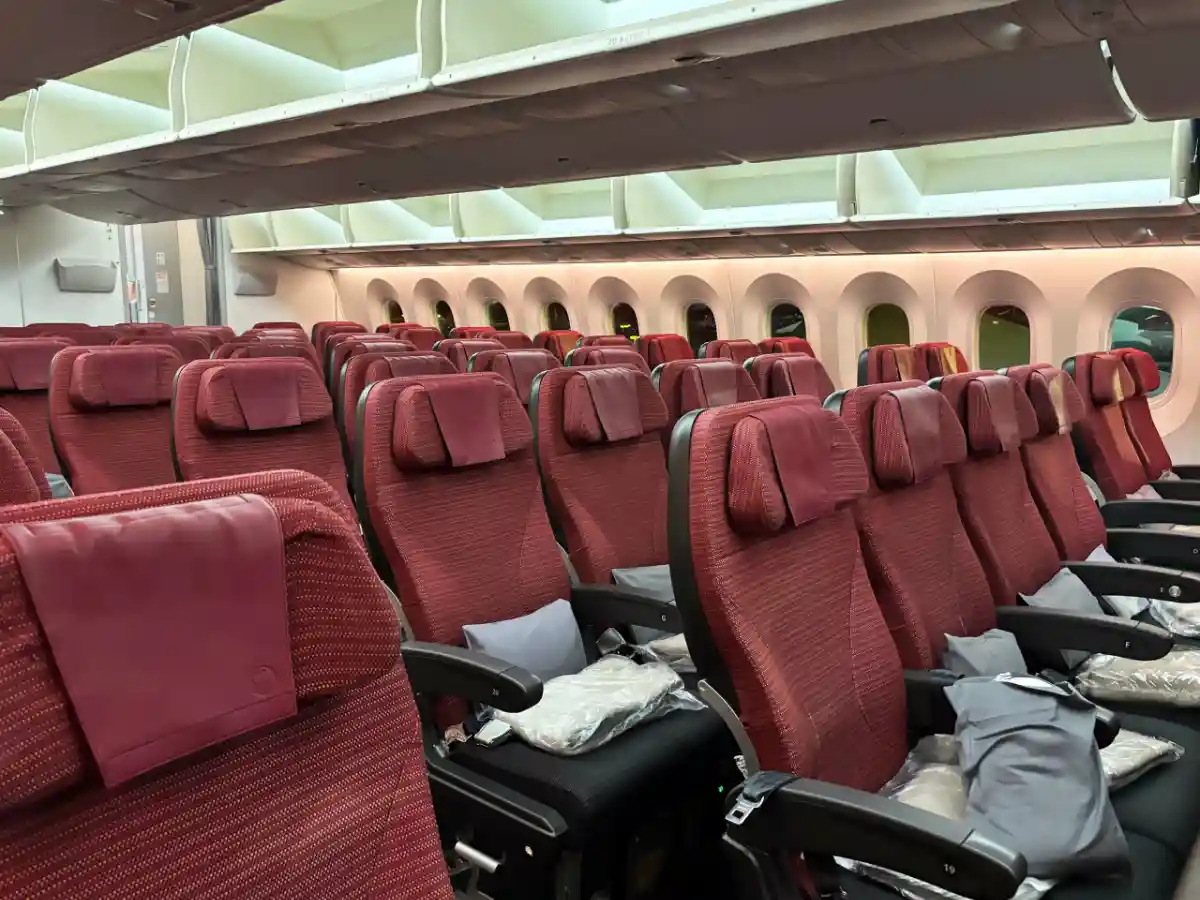
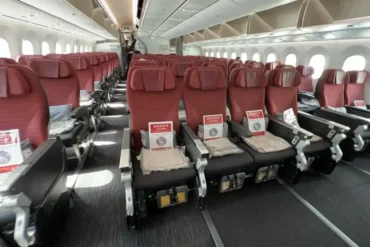
Unlike virtually every other airline operating the Boeing 787 Dreamliner, Japan Airlines installs only eight seats per row instead of nine.
That choice gives passengers dramatically wider seats measuring approximately 18.5 inches across. By comparison, most global Boeing 787 operators provide seats closer to 17 inches wide.
The difference feels enormous in real-world travel.
Passengers enjoy more shoulder space, less crowding, and a significantly more relaxed seating posture throughout ultra-long-haul journeys. The cabin itself also feels far more open and less compressed than standard Dreamliner configurations.
Japan Airlines applies the same philosophy to its Boeing 777-300ER fleet, where economy cabins retain nine-abreast seating rather than the industry-standard ten.
Combined with 34 inches of legroom on international aircraft, the result is arguably the most spacious long-haul economy environment available today.
The airline further enhances comfort with large entertainment displays, modern seat construction, refined cabin aesthetics, and exceptionally high service standards.
Japan Airlines’ approach reflects a broader Japanese philosophy emphasizing harmony, functionality, and passenger wellbeing. Rather than chasing maximum seating density, the airline prioritizes comfort in ways travelers immediately recognize.
Its economy product feels intentionally designed for human comfort rather than operational efficiency alone.
That distinction matters enormously in modern aviation.
As airlines worldwide continue compressing cabin space to maximize profitability, Japan Airlines remains one of the few major carriers willing to sacrifice capacity in favor of passenger experience.
For travelers spending ten or more hours in economy class, that commitment can completely redefine the journey.
Why Economy Seat Design Matters More Than Ever In 2026
The global airline industry has entered an era where economy seating quality increasingly influences booking decisions. Travelers have become far more informed about seat pitch, cabin density, and aircraft layouts, especially on long-haul international routes.
Seat width now matters just as much as legroom.
The rise of ultra-long-haul flights connecting Asia, North America, Europe, and the Middle East means passengers often remain seated for thirteen to seventeen hours continuously. In these conditions, small dimensional differences dramatically affect comfort.
Airlines like EVA Air, Singapore Airlines, Korean Air, ANA, and Japan Airlines recognize this reality better than most competitors.
Rather than aggressively maximizing passenger density, these carriers continue preserving personal space where it matters most. Wider seats, better recline, improved ergonomics, and larger entertainment systems collectively create flights that feel substantially less exhausting.
In 2026, the best economy class experience is no longer defined solely by meals or inflight service.
It is defined by space.
And among the world’s airlines, no region understands that better than Asia.