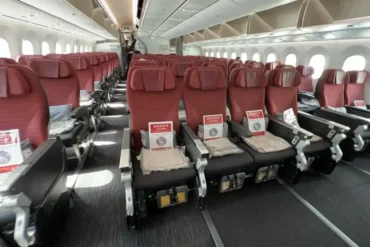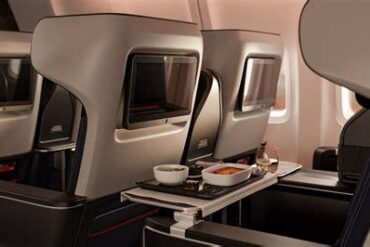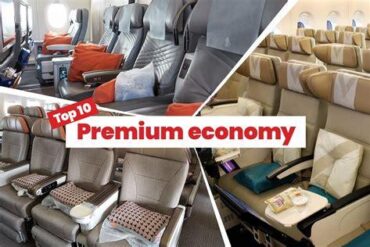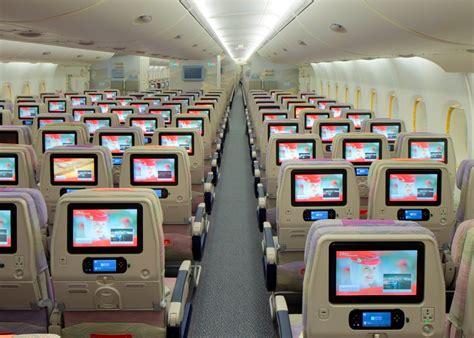
The skies of 2025 are no longer defined by cramped seating and limited legroom. A sweeping transformation is underway, led by Emirates and joined by a prestigious lineup of global carriers including Delta Air Lines, United Airlines, Qatar Airways, Singapore Airlines, Air New Zealand, Lufthansa, and Virgin Atlantic. This new era in economy travel is not just about tweaks to seat pitch—it’s a full-scale comfort revolution that challenges decades-old conventions in airline travel.
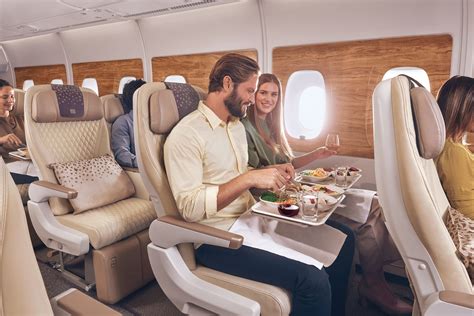
Emirates Leads the Charge with Vertical Seat Innovation
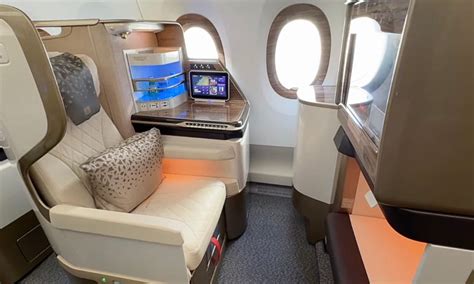
Emirates, the Dubai-based aviation leader, is spearheading the redefinition of long-haul economy class comfort. Central to this initiative is its revolutionary high-back seat concept—an ergonomic marvel that introduces an additional 4 to 5 inches in vertical height. The design shifts the paradigm of economy seating by focusing on posture support, spine alignment, and deep-body ergonomics. Passengers can expect not just a taller seat but one that cradles the back, supports the neck, and reduces pressure on lower limbs during long-haul flights.
The goal is deceptively simple: transform hours in the air into a more restful, less exhausting experience. By avoiding width or recline alterations that often sacrifice aircraft density, Emirates’ vertical strategy preserves cabin efficiency while enhancing human comfort. Advanced materials, memory cushioning, and sculpted frames are being tested in partnership with leading aerospace manufacturers, setting a high bar for innovation.
A New Global Standard: Airline Alliances in Innovation
Emirates is not alone in this push. Airlines across continents are aligning their strategies to redefine economy class in unison:
- Delta Air Lines is refining its Comfort+ product with sleek new seat materials and improved recline angles, offering a more customized relaxation profile.
- United Airlines is investing in advanced inflight entertainment systems and USB-C charging ports at every seat, enhancing digital comfort.
- Qatar Airways is pushing the limits of economy luxury with premium cushioning, mood-adjustable LED lighting, and quieter cabin zones.
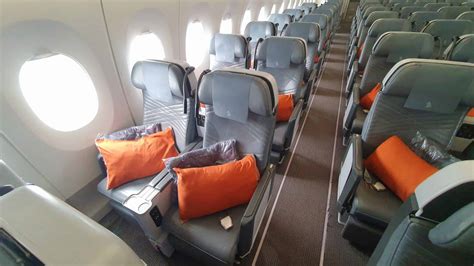
- Singapore Airlines continues to build on its reputation with ultra-slim wide seats and enhanced headrests for better sleeping posture.
- Air New Zealand is making headlines with its innovative “SkyNest” sleep pod system, offering actual bunk beds in economy—a global first.
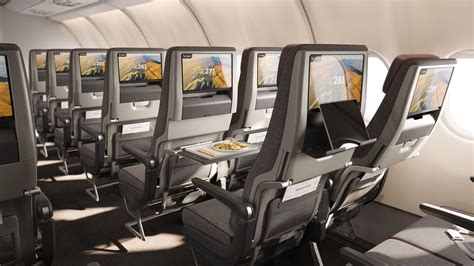
- Lufthansa has introduced a new comfort zone strategy, which includes extra legroom areas and redesigned tray tables for better utility.
- Virgin Atlantic, ever the design iconoclast, is marrying aesthetic elegance with functionality through softer textures, smart under-seat storage, and dynamic lighting.
Each of these moves is more than a product update—it’s part of a coordinated evolution aimed at making economy travel more humane, comfortable, and rewarding.
Why Now? The Shifting Philosophy of Air Travel
The simultaneous overhaul by these top carriers is not coincidental. The post-pandemic travel rebound, combined with renewed global demand for better experiences at every price tier, has sparked a realization: comfort is no longer optional.
According to the International Air Transport Association (IATA), long-haul demand is now at nearly 90% of pre-2020 levels, and rising. Passenger feedback, social media sentiment, and increasing competition among full-service airlines have collectively pushed comfort to the forefront of airline strategy.
This isn’t just about pleasing customers—it’s about brand survival. In an environment where price parity is common, comfort is the new differentiator.
Inside Emirates’ Design Revolution
Emirates’ new seat prototype goes beyond form—it’s engineered for long-haul biomechanical support. The 4–5 inch vertical increase may seem modest, but in cabin design, this is groundbreaking. The taller back supports the cervical spine, enhances lumbar rest, and reduces discomfort during sleep cycles.
Materials matter, too. Emirates is exploring thermally adaptive cushions, anti-microbial fabrics, and noise-dampening seat shells. The aim is to create a quiet cocoon in a crowded space. This initiative is being backed by leading aerospace seating firms, working hand-in-hand with Emirates to refine the final product for mass deployment.
If cleared by regulators, the seat will debut on next-generation aircraft like the Airbus A350 and Boeing 777X, which Emirates plans to deploy on premium long-haul routes to cities like New York, Sydney, and London.
Air New Zealand’s SkyNest: Sleeping Pods in the Sky
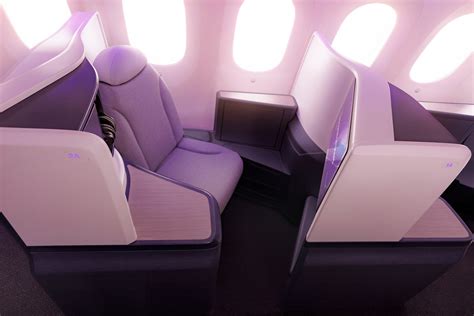
Air New Zealand’s SkyNest concept is perhaps the boldest move yet—six full-length bunk beds that economy passengers can book for four-hour sleep blocks. Designed with privacy curtains, charging stations, and breathable bedding, SkyNest is being tested for launch on ultra-long-haul routes.
This model challenges traditional revenue management thinking by converting part of the economy cabin into rotating sleep spaces, enhancing customer wellbeing while potentially increasing fare appeal.
The Competitive Ripple Effect
As these innovations go live, competitive pressure is mounting. Legacy airlines that fail to respond risk alienating modern travelers. Already, Japan Airlines and All Nippon Airways are piloting pressure-sensitive foam seats that adapt to body contours. Meanwhile, Turkish Airlines is rumored to be developing a new hybrid seat that merges recline and vertical support in an unprecedented way.
Suppliers are on high alert. Firms like Recaro, Zodiac Aerospace, and Collins Aerospace are in a race to provide the most advanced, certifiable seating products that meet stringent aviation safety standards while pushing ergonomic boundaries.
The Role of Dubai and the UAE
At a macro level, this initiative highlights Dubai’s rising status as an aviation innovation hub. The UAE government’s strategic investments in infrastructure, smart airport technology, and high-velocity travel corridors amplify Emirates’ ability to lead such transformations.
The seat project aligns perfectly with Dubai’s post-pandemic tourism strategy, which aims to attract high volumes of travelers who are increasingly discerning—not just about price, but about how they travel. As events like Expo City 2025 and World Aviation Forum approach, Emirates’ innovations will serve as showcase features for Dubai’s vision of the future of flight.
What Passengers Can Expect Next
The rollout timeline will hinge on regulatory approval. If greenlit, passengers could see Emirates’ new economy seats on select routes as early as late 2025. Singapore Airlines and Lufthansa are expected to follow with mid-cycle upgrades in 2026, while Delta and United will likely introduce next-gen cabins on their international fleet renewal schedules.
For travelers, this marks a new dawn. The era of enduring 14-hour flights in rigid seats is ending. In its place, we are witnessing the rise of comfort-driven economy class design, built around real human needs.
Conclusion: The New Golden Age of Economy Travel
In 2025, economy travel is no longer synonymous with compromise. The movement led by Emirates and joined by top-tier global carriers is a powerful acknowledgment that comfort belongs to everyone—not just those in the front rows. With vertical seating ergonomics, sleep pods, adaptive cushioning, ambient lighting, and personalized entertainment, the flying experience is evolving into something far more humane, and far more desirable.
The revolution is not complete, but its trajectory is clear: economy class will never be the same again. And for the millions who fly it every day, that’s not just welcome news—it’s a long overdue transformation.