In a watershed moment for aviation strategy, leading carriers from Australia’s Jetstar and Qantas to IndiGo, Air Arabia, LATAM, Flynas, Cebu Pacific, VietJet, Air Canada, United, and American Airlines are collectively redefining long‑haul air travel through aggressive adoption of the Airbus A321XLR. This next‑generation narrowbody aircraft, boasting an extended range of up to 4,700 nautical miles, remarkable fuel efficiency, and reduced carbon emissions, is empowering airlines to bypass traditional hub‑and‑spoke limitations, unlock nonstop corridors between mid‑sized cities, and significantly cut operational costs. As global demand for point‑to‑point services surges, the A321XLR’s flexibility is driving a strategic fleet renewal that prioritizes environmental responsibility, passenger convenience, and lean network expansion.
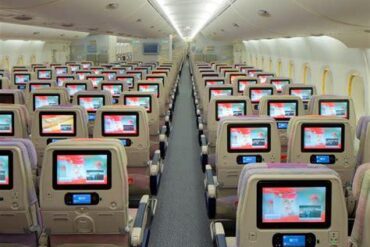
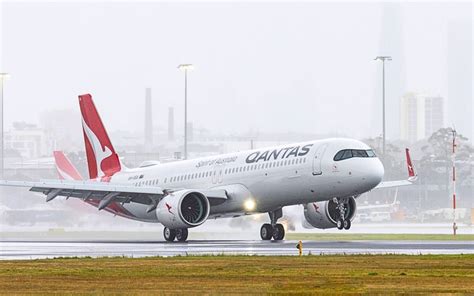
Jetstar and Qantas have spearheaded the Asia‑Pacific rollout, with Qantas receiving its first A321XLR directly from Airbus’s Finkenwerder delivery center in Hamburg. Powered by Pratt & Whitney’s cutting‑edge GTF engines, the aircraft features a two‑class cabin—20 lie‑flat seats in Business and 177 ergonomic seats in Economy—optimized for long‑range comfort. The delivery flight to Sydney, via a single technical stop in Bangkok for crew rest, underscored the model’s impressive endurance, foreshadowing nonstop services to cities previously beyond narrowbody reach. Beyond Australia, IndiGo’s order for 69 units, Air Canada’s 30, and commitments from United and American Airlines (50 each) signal a global shift toward slender, fuel‑efficient jets for medium‑ and long‑distance markets.
As carriers move to operationalize the A321XLR, they are unlocking routes that once required widebody assets or inconvenient connections. Flights such as Melbourne‑Tokyo, Delhi‑Dubai, Riyadh‑London, Vancouver‑Honolulu, and Manila‑Sydney are now within narrowbody reach, reducing total journey times by up to two hours and eliminating layovers. This network realignment delivers a seamless travel experience, minimizes passenger transfers, and taps underserved mid‑market city pairs where demand is robust but previously unprofitable.
Redefining the Asia‑Pacific Landscape with Qantas and Jetstar
Qantas’s bold move to be the first Asia‑Pacific carrier operating the A321XLR redefines its regional strategy. The airline’s 40‑aircraft order—28 for mainline and 12 for Jetstar—forms part of a broader 152‑aircraft agreement with Airbus that includes A320neo family jets and A350‑1000s. Initially deployed on domestic legs to build operational familiarity, the A321XLR will soon serve nonstop routes to Bali, Kuala Lumpur, and emerging secondary markets in Vietnam and the Philippines. For Jetstar, the model promises to inject cost‑effective capacity into leisure‑driven corridors, reinforcing its low‑cost leadership.
By integrating long‑range narrowbodies, Qantas and Jetstar can bypass congested hubs, avoiding slot restrictions and high airport charges. This shift enables streamlined crew rostering, reduced ground time, and a unified cabin fleet that slashes maintenance complexity. The result is a leaner cost base, greater schedule resilience, and enhanced capacity to capture leisure and business travelers seeking direct services outside major gateways.
Airbus A321XLR: Engineering Marvel Powers Extended Reach
The A321XLR (Extra Long Range) is the pinnacle of Airbus’s A320neo family, engineered to bridge the gap between single‑aisle economics and widebody endurance. Key specifications include:
- Maximum Range: 4,700 nautical miles (8,700 km)
- Seating Capacity: Up to 244 passengers in a single‑class layout; typical two‑class fit of 197–200
- Powerplant: Pratt & Whitney PW1133G‑JM geared turbofan engines
- Fuel Efficiency: 30% reduction in fuel burn and CO₂ emissions versus previous‑generation narrowbodies
- Cabin Innovations: Rear centre tank (RCT) for increased fuel volume, optimized wing trailing‑edge devices, and weight‑saving materials
These enhancements allow ultra‑long missions—such as London to New York or Sydney to Honolulu—on a narrowbody airframe, translating into substantial savings on landing fees, lower seat‑kilometer costs, and diminished environmental footprint. Airlines can now deploy a uniform fleet across short domestic hops and ultra‑long sectors, achieving operational synergies and flexible asset utilization.
Explosive Global Demand and Major Orders
Since its launch, the A321XLR has garnered over 500 firm orders, reflecting its transformative appeal:
- IndiGo: 69 units to expand domestic and regional reach within India and neighboring South Asian markets
- American Airlines & United Airlines: 50 each, earmarked for coast‑to‑coast U.S. routes and transatlantic experiments on thinner markets
- Air Canada: 30 aircraft aimed at transcontinental corridors and leisure gateways in Europe and the Caribbean
- Air Arabia, VietJet, AirAsia X: 20 each, targeting long‑haul low‑cost operations from the Middle East and Southeast Asia
- LATAM & Flynas: 13–10 units to strengthen South American connections and Saudi regional networks
- Cebu Pacific & Sky Airline: 10 each, optimizing archipelago‑to‑continent links in the Philippines and Chile
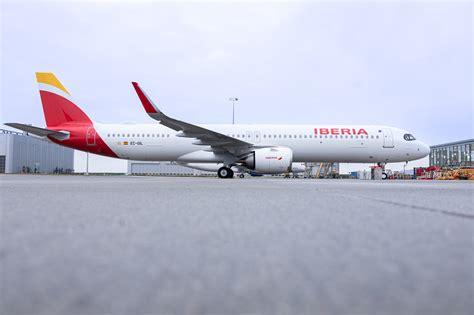
Low‑cost pioneer Wizz Air was the first budget carrier to leverage the A321XLR on its London–Jeddah route, proving ultra‑low‑cost models can profitably serve long‑haul sectors. Spanish flag carrier Iberia and Aer Lingus have also introduced the aircraft on transatlantic routes, replacing widebodies on lower‑density services and opening new city pairs such as Madrid–Boston and Dublin–Chicago.
Strategic Impacts on Route Networks and Passenger Experience
The A321XLR’s range and economics are reshaping route planning. Airlines can now launch point‑to‑point services linking previously isolated markets—such as Perth to Singapore, Mumbai to Athens, or Toronto to Bermuda—without relying on connecting hubs. This eliminates the traditional “hub penalty” of long layovers, baggage transfers, and missed connections, offering travelers a smoother journey with consistent brand experience and lounge access.
For carriers, the slender‑body model enables nimble capacity deployment. In off‑peak seasons, a single A321XLR can substitute for widebodies on thin transatlantic flights, preserving frequency while maintaining unit revenue. During peak leisure periods, it can fly nonstop vacation routes, maximizing yield and customer satisfaction. Airlines can also trial new markets with minimal risk, using only one or two aircraft to test demand before committing widebody assets.
Environmental and Economic Advantages Drive Sustainability Goals
With sustainability under intense scrutiny, the A321XLR’s 30% fuel burn improvement directly supports airlines’ carbon reduction targets. By replacing older A330s or B767s on certain routes, carriers can cut per‑flight emissions, reduce noise footprints, and comply with emerging carbon pricing regimes and international agreements. The aircraft’s lower operating weight and fuel-efficient engines also translate into reduced maintenance costs and extended component life.
The narrowbody footprint reduces airport gate requirements and turnaround times, boosting daily utilization. Coupled with simplified crew training—pilots and cabin crew can transition from other A320neo variants with minimal additional certification—these efficiencies drive a lower cost per available seat mile (CASM) and bolster profitability even in competitive markets.
Challenges and Considerations for Widespread Adoption
Despite its merits, the A321XLR presents challenges. The extended center fuel tank’s placement reduces cargo volume, impacting carriers reliant on belly freight revenue. Airlines must balance fuel load versus payload, particularly on cargo‑heavy lanes. Infrastructure constraints at smaller airports—such as gate length and pavement strength—may require upgrades to accommodate the longer fuselage.
Crew fatigue management for ultra‑long narrowbody flights also demands revised rostering policies and potential cabin enhancements to maintain passenger comfort on 10‑ to 12‑hour sectors. Regulatory bodies will closely monitor ETOPS (Extended Operations) approvals, especially on routes over large bodies of water or remote regions.
Outlook: A New Era of Agile, Sustainable Connectivity
As Jetstar, IndiGo, Air Arabia, LATAM, Flynas, Cebu Pacific, VietJet, Air Canada, United, American Airlines, and Qantas integrate the Airbus A321XLR into their fleets, a new era of agile, sustainable connectivity emerges. Airlines are equipped to explore niche markets, offer nonstop services to underserved corridors, and meet escalating passenger expectations for convenience and speed. Coupled with advancing sustainable aviation fuels and carbon‑offset programs, the A321XLR forms a critical component of carriers’ environmental roadmaps.
Looking ahead, we can expect network planners to identify further opportunities for slender‑body long‑haul missions, from emerging tourism hotspots in Eastern Europe and Africa to intra‑Pacific links among island nations. The economic viability of these missions, underpinned by the A321XLR’s lower CASM, may accelerate the development of new travel markets and stimulate regional economies.
In embracing the A321XLR, airlines are not simply acquiring an aircraft—they are unlocking a paradigm shift in fleet strategy. The nexus of range, efficiency, and sustainability embodied by this narrowbody heralds a future where nonstop travel between mid‑sized cities becomes the norm rather than the exception, delivering superior value for airlines and passengers alike and charting a course toward a more connected, responsible aviation industry.