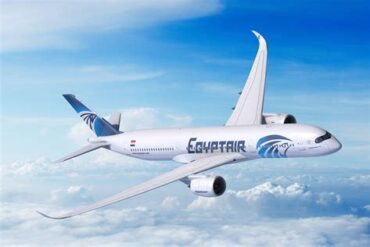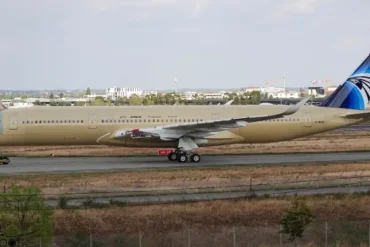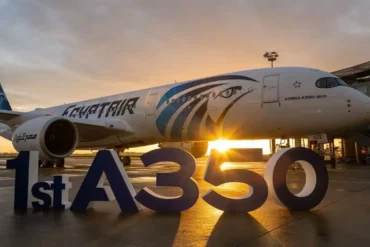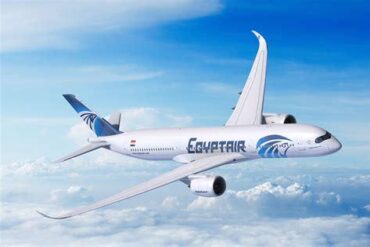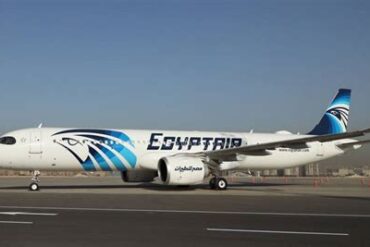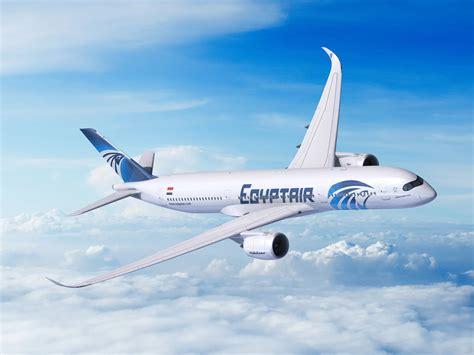
EgyptAir has embarked on a bold and transformative initiative with the leasing of five next-generation Airbus A350-900 aircraft, marking a pivotal moment in the airline’s long-haul capabilities and positioning Egypt as a premier global travel destination. This strategic move is more than a fleet renewal—it’s a calculated leap toward a sustainable, high-performance future for Egyptian aviation and tourism.
The carrier’s decision to lease rather than buy offers significant financial flexibility, especially vital in a post-pandemic aviation market still grappling with fluctuating demand and operational volatility. The first agreement with BOC Aviation covers three A350-900s to be delivered starting December 2025, while the second, with Macquarie AirFinance, secures two more set for 2026. EgyptAir aims to build a fleet of 16 A350-900s, effectively replacing aging widebody models like the Boeing 777-300ER and Airbus A330-200.
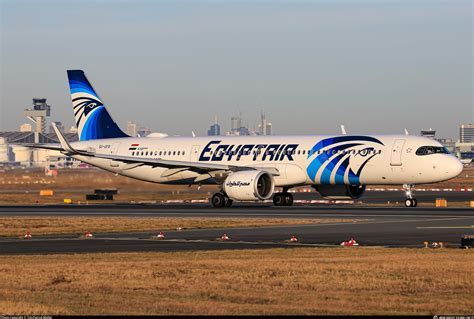
A New Era for Egypt’s Long-Haul Network
The Airbus A350-900 is engineered for long-distance excellence, capable of covering over 9,700 nautical miles while consuming 25% less fuel than older aircraft. This blend of performance and efficiency makes it the ideal platform for EgyptAir’s expanded transatlantic ambitions. With plans to introduce daily flights to the United States by 2027, EgyptAir is positioning itself as a serious contender in long-haul air travel, especially in markets like North America and Europe, where tourism demand to Egypt is steadily rising.
Travelers can expect a dramatic improvement in comfort, efficiency, and reliability. The A350-900’s advanced cabin design, quieter engines, and reduced carbon emissions cater to modern travelers seeking both luxury and eco-conscious travel options. For Egypt, the aircraft’s capabilities unlock previously untapped routes and enable more direct flights, reducing layovers and enhancing the overall travel experience.
Strategic Alignment with Egypt’s Tourism Goals
EgyptAir’s fleet strategy dovetails perfectly with national economic priorities. Tourism accounts for a significant portion of Egypt’s GDP, and expanding air connectivity is a critical lever for growth. By deploying the A350-900s on high-demand long-haul routes, EgyptAir supports the government’s mission to increase international arrivals and tourism revenue.
This move also sends a strong signal to global tour operators, business travelers, and aviation stakeholders: Egypt is open for business—and innovation. Enhanced connectivity, especially to major cities in the United States, Western Europe, and Asia, will accelerate inbound tourism, benefiting sectors from hospitality to heritage conservation.
Modernization That Meets Market Expectations
The A350-900 represents the future of widebody aviation. Featuring composite materials, advanced aerodynamics, and Rolls-Royce Trent XWB engines, the aircraft is built for operational excellence and lower maintenance costs. This makes it a strategic asset in a market increasingly focused on cost-efficiency and carbon neutrality.
By replacing older, less efficient aircraft, EgyptAir not only reduces its environmental footprint but also enhances brand perception. In today’s travel economy, where sustainability often influences purchasing decisions, this fleet overhaul positions EgyptAir as a responsible, forward-thinking carrier.
A Catalyst for Economic and Cultural Exchange
The implications go far beyond aviation. With the ability to carry more passengers farther with greater fuel efficiency, EgyptAir’s investment supports a broader ecosystem of cultural exchange and international cooperation. Easier access means more students, more businesspeople, more conferences—and ultimately, more eyes on Egypt as both a destination and a global player.
Egypt’s most iconic treasures—from the Pyramids of Giza to the temples of Luxor—are now just one flight away for millions of travelers. This increased accessibility fuels not only tourism but also employment and infrastructure development in related sectors. It’s a ripple effect that can elevate national visibility and global reputation.

Looking Ahead: Sustaining the Momentum
EgyptAir’s phased delivery plan ensures operational continuity while enabling a smooth transition to its new flagship fleet. With the first deliveries in late 2025 and more to follow in 2026 and beyond, EgyptAir is poised for a steady climb toward global relevance. The goal of having daily US services by 2027 underscores the airline’s long-term vision and operational confidence.
The arrival of the A350-900s is not simply an upgrade—it is an aviation renaissance for Egypt. It bridges the gap between traditional excellence and modern innovation, reinforcing Egypt’s status as a world-class travel destination while contributing to global efforts toward sustainable aviation.
As the skies over Egypt fill with these sleek, efficient aircraft, a new chapter begins—one where comfort, convenience, and climate-consciousness soar in tandem.