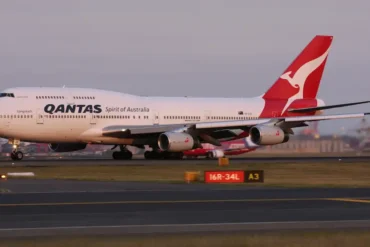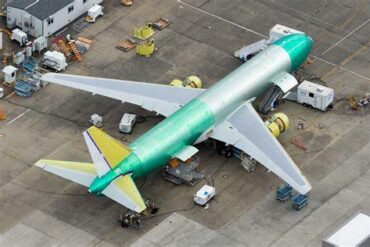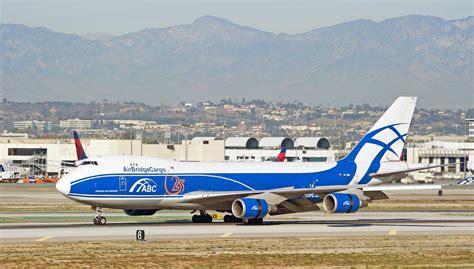
The Boeing 747 freighter was never just an airplane. It was a flying industrial complex, a global supply chain with wings, and for decades the undisputed monarch of long-haul cargo. When its production line closed in 2023, the silence that followed was not merely the end of an aircraft program but the conclusion of an entire design philosophy. Four engines, colossal structure, and brute-force capability defined the era it ruled. The future replacing it looks different—leaner, smarter, and ruthlessly efficient.
In today’s air cargo market, sentimentality has no seat on the flight deck. Reliability, fuel burn, emissions compliance, and cost per tonne rule every fleet decision. Twin-engine aircraft have crossed a technological threshold once thought unreachable, matching or exceeding the safety margins of quadjets while delivering massive economic advantages. The disappearance of the 747 freighter is not a mystery or a failure; it is a logical outcome of progress.
The question is no longer whether the 747 can be replaced. The question is which aircraft inherits its role as the backbone of global heavy air freight.
Two contenders dominate that conversation: Boeing’s 777-8F and Airbus’s A350F. Each reflects a different interpretation of what the post-747 world should look like, and together they define the next chapter of long-haul cargo aviation.
The End of the Four-Engine Cargo Titan
The 747 freighter was built for a world where fuel was cheaper, emissions rules were looser, and engine reliability demanded redundancy. Four engines were insurance. They were power. They were necessity. That logic has collapsed under the weight of modern engineering.
High-bypass turbofan engines like the GE9X and Rolls-Royce Trent XWB-97 have redefined reliability and efficiency. Extended-range twin-engine operations (ETOPS) are no longer constraints but formalities. A modern twinjet can cross oceans, polar routes, and remote corridors with confidence that once required four engines and a prayer.
At the same time, regulators have turned the screws. Noise restrictions, carbon targets, and fuel efficiency mandates have made quadjets increasingly expensive to operate and politically difficult to justify. The economics are merciless. Every additional engine adds maintenance complexity, spare parts inventory, inspection hours, and fuel burn. In cargo operations—where margins are thin and utilization is relentless—those penalties are fatal.
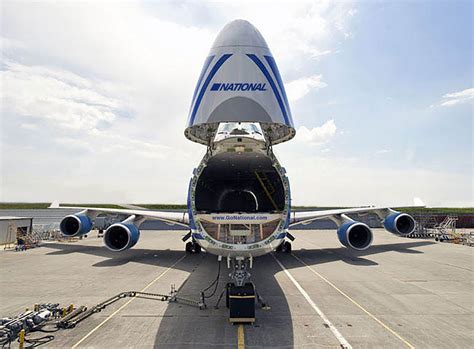
The retirement of the 747 was not abrupt. It was a slow fade driven by arithmetic. As operators ran the numbers, the future became unavoidable.
Why Twinjets Now Rule Heavy Cargo
The rise of twin-engine freighters is not about compromise; it is about optimization. Modern cargo aircraft are engineered from the outset to maximize payload efficiency per flight hour, not to impress with raw size alone.
Twinjets deliver dramatic reductions in fuel burn—often 25 to 40 percent less than comparable four-engine aircraft. They slash emissions, simplify maintenance, and improve dispatch reliability. Fewer engines mean fewer unscheduled events, faster turnaround times, and higher aircraft availability. For integrators and long-haul cargo specialists alike, these gains translate directly into profit.
Yet replacing the 747 demands more than efficiency. The successor must handle dense freight, outsized loads, and global stage lengths while fitting into existing airport infrastructure. Only two aircraft meet those requirements at scale.
Boeing 777-8F: The Heavy Lifter’s Successor
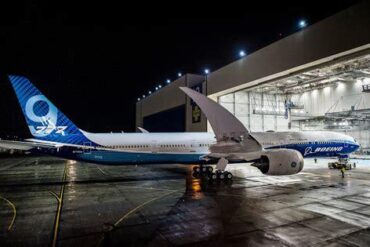
The Boeing 777-8F is Boeing’s direct answer to the 747 freighter’s legacy. It does not attempt to reinvent the role; it refines it. Built on the foundation of the 777X program, the aircraft is designed to deliver nearly identical payload and range to the 747-400F while obliterating its operating costs.
At full payload, the 777-8F can lift over 112 tonnes and fly approximately 4,410 nautical miles, placing it squarely in the same operational envelope as the classic 747 freighter. The difference lies in how it achieves that performance. Two GE9X engines—currently the most fuel-efficient large turbofans ever produced—replace four older powerplants, reducing fuel consumption and emissions by up to 30 percent.
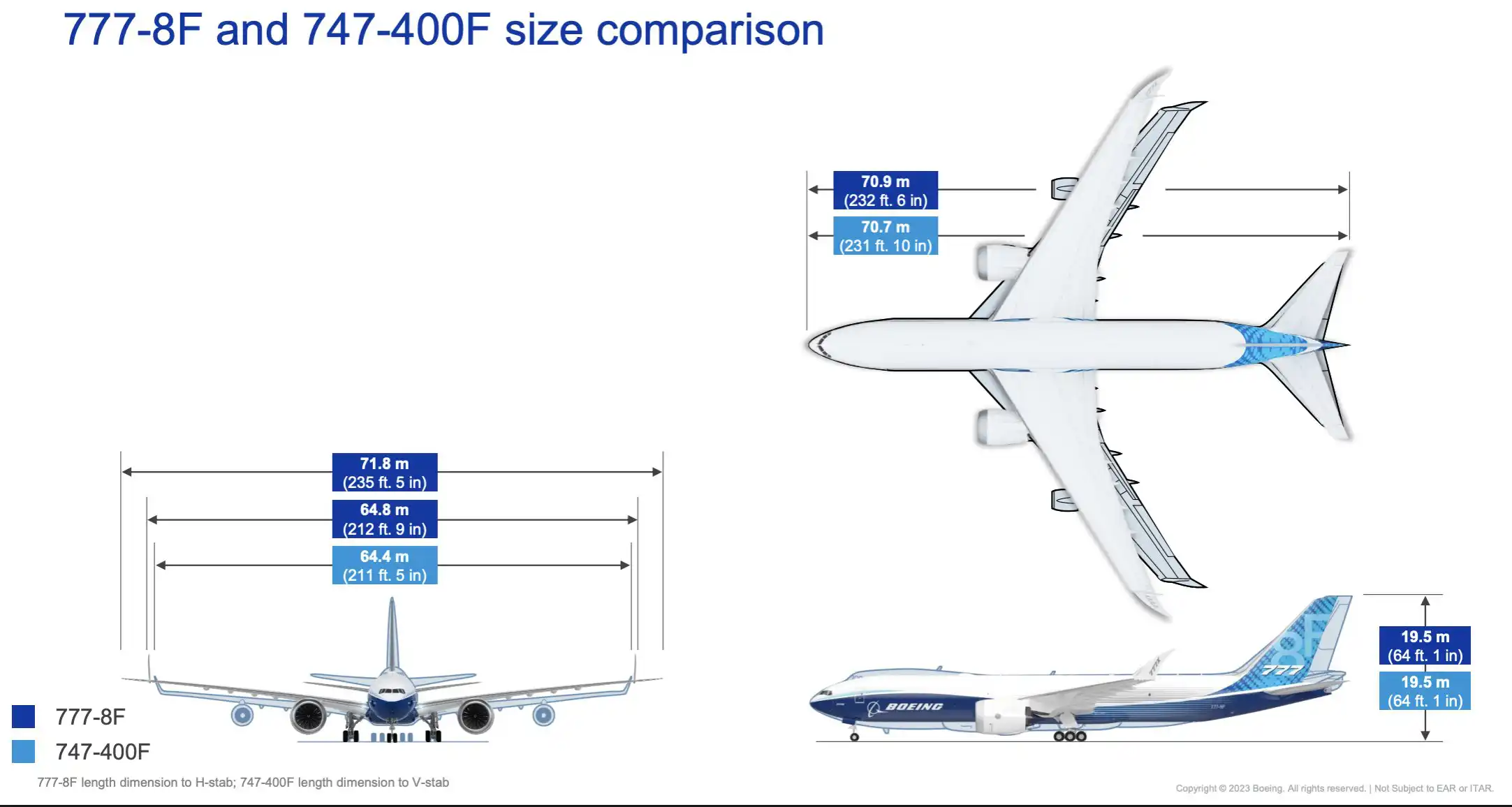
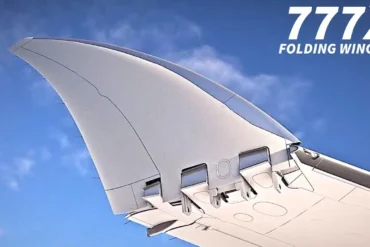
The aircraft’s enormous composite wing, spanning 235 feet, incorporates folding wingtips to maintain compatibility with existing Code E airport gates. This elegant solution preserves aerodynamic efficiency without forcing costly airport upgrades, a limitation that plagued the 747-8.
From a cargo perspective, the 777-8F emphasizes volume and mass. Its main deck offers greater internal capacity than the Airbus A350F, appealing to operators moving high-density freight across established cargo corridors. While it lacks the iconic nose door, its wide side cargo door and reinforced floor structure allow efficient handling of most modern freight profiles.
For airlines already operating 777 fleets, the transition is operationally smooth. Training pipelines, maintenance infrastructure, and spare parts inventories align naturally, reducing induction costs. This continuity has driven strong early commitments from major cargo carriers planning to retire their 747s.
Airbus A350F: Efficiency as Strategy
Airbus approaches the same problem from a different philosophical angle. The A350F is not designed to mimic the 747’s brute strength but to outperform it economically in a world increasingly defined by sustainability metrics.
Derived from the A350-1000, the A350F features an airframe composed of approximately 70 percent advanced materials, including carbon fiber composites and titanium. This lightweight structure delivers exceptional fuel efficiency and range, enabling the aircraft to fly about 300 nautical miles farther than the 777-8F at full payload.
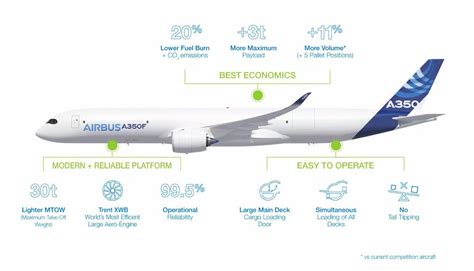
With a maximum payload of 111 tonnes, the A350F closely matches the 747-400F while consuming roughly 40 percent less fuel and producing 40 percent lower CO₂ emissions. For airlines operating ultra-long-haul routes—such as Asia to North America—this efficiency can mean the difference between a profitable nonstop flight and a technical stop that erodes margins.
One of the A350F’s standout features is its extra-large main deck cargo door, measuring 175 inches wide. This design enables the transport of oversized components, including next-generation jet engines, without disassembly. While it lacks a nose door, Airbus compensates with floor beams engineered for the highest running loads in the industry, allowing dense cargo to be distributed more flexibly across the main deck.
Operational commonality is another strategic advantage. Airlines already flying A350 passenger aircraft benefit from near-total cockpit, systems, and maintenance alignment. This commonality shortens training cycles, reduces simulator requirements, and simplifies fleet integration—critical advantages as operators juggle multiple aircraft transitions simultaneously.
Payload, Range, and the Reality of Replacement
Replacing the 747 freighter does not mean recreating it bolt for bolt. The legendary nose-loading capability of the 747 allowed the transport of extraordinarily long items, from oil pipes to wind turbine blades. Neither the 777-8F nor the A350F replicates that exact capability.
What they offer instead is higher overall productivity. Improved side-door design, stronger floors, and optimized cargo layouts allow modern freighters to move more revenue cargo per day, even if certain niche loads require alternative solutions.
In practical terms, most global freight does not require nose loading. It requires reliability, schedule integrity, and cost control. On those metrics, both new twinjets surpass the aircraft they replace.
Program Timelines and Market Momentum
The race to replace the 747 is also a race against time. Aging fleets, rising maintenance costs, and regulatory pressure are forcing operators to commit now.
The A350F program currently holds a slight lead. With aircraft already in advanced assembly and entry into service targeted for late 2027, Airbus has secured a robust order book exceeding 80 aircraft. Several major 747 operators have publicly committed to the type as their long-term freighter solution.
The 777-8F, while slightly behind due to broader 777X program delays, remains a formidable competitor. Production has begun, and entry into service is expected toward the late 2020s. Its appeal lies in payload capacity, familiar Boeing systems, and the trust built by decades of 777 operations worldwide.
The Future Shape of Global Cargo Aviation
The aircraft replacing the iconic Boeing 747 freighter are not symbols of decline but evidence of evolution. They represent a shift from excess to precision, from brute force to intelligent design. The skies will still be filled with enormous cargo aircraft, but they will be quieter, cleaner, and far more efficient.
In this new era, dominance is not measured by engine count or silhouette but by tonnes moved per dollar spent. The Boeing 777-8F and Airbus A350F are not merely successors; they are statements about how aviation adapts when technology, economics, and environmental reality converge.
The 747’s legacy remains unmatched in history. Its replacements will not imitate its form, but they will carry its mission forward—moving the world’s goods across oceans, every night, with relentless efficiency.