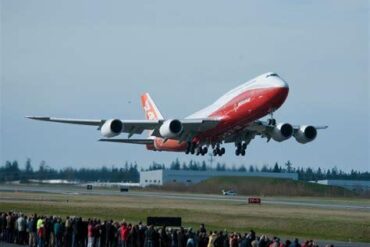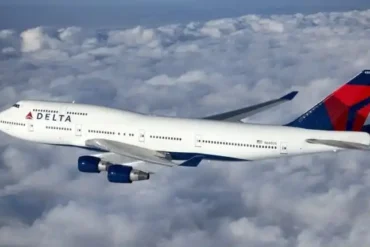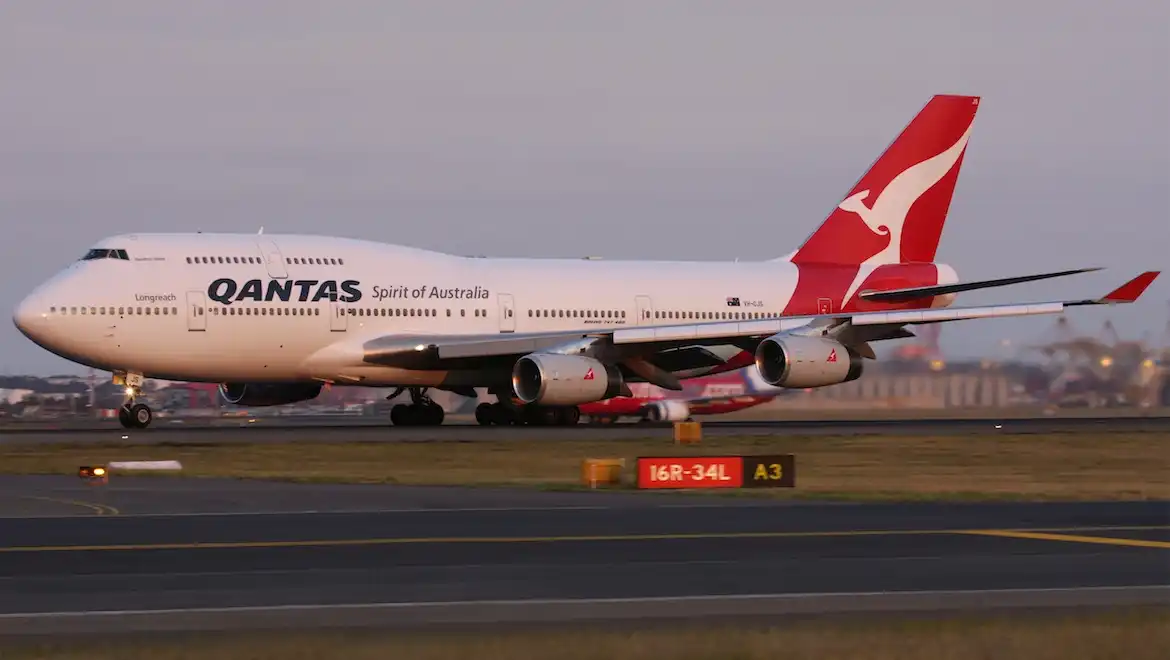
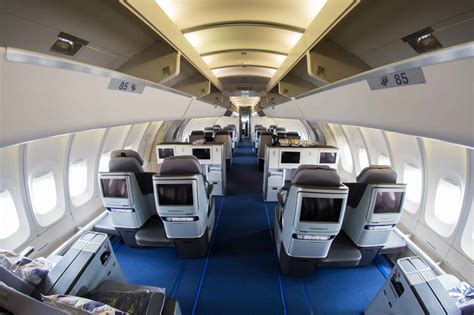
The Boeing 747-400, once the crown jewel of long-haul aviation, is fast approaching the twilight of its passenger service era. Revered as the “Queen of the Skies”, this aircraft reigned over global skies throughout the 1990s and early 2000s, its imposing silhouette symbolizing the golden age of intercontinental travel. With its massive four-engine design, double-deck layout, and seating for over 400 passengers, the 747-400 connected distant cities with ease and elegance. However, as aviation economics and environmental priorities shift, this iconic aircraft is being succeeded not by a single heir, but by a trio of modern twinjets: the Airbus A350, the Boeing 787 Dreamliner, and the Boeing 777X.
The Sunset of a Giant: Why the 747-400 is Disappearing
The phase-out of the 747-400 is not merely an aesthetic or nostalgic shift—it is rooted in cold, hard economics and regulatory pressures. Operating four engines in an era increasingly governed by fuel efficiency, noise abatement, and CO₂ regulations is simply no longer viable. Airlines around the globe are rationalizing their fleets, and that means the retirement of older, maintenance-heavy aircraft that do not meet modern sustainability and cost benchmarks.
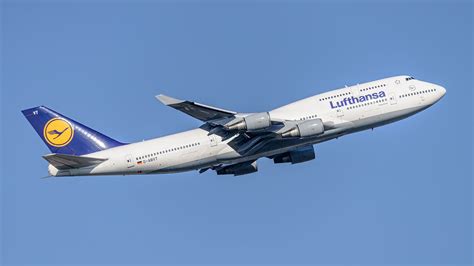
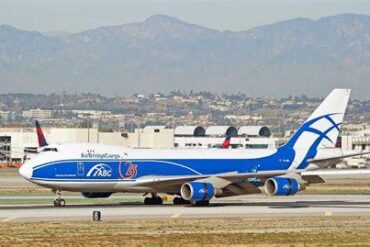
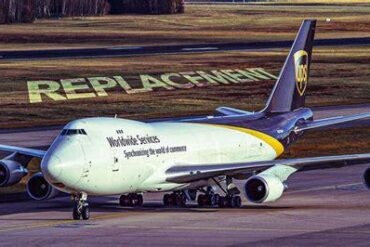
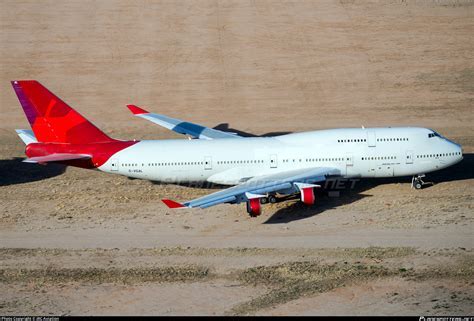
A handful of operators such as Lufthansa, Air China, and Rossiya Airlines still operate the 747-400 in passenger roles. However, these are rapidly being phased out or repurposed for freight operations by carriers like Cargolux, UPS Airlines, and Atlas Air. The aircraft that once symbolized prestige is now more commonly found in cargo liveries, shuttling goods rather than passengers.
Airbus A350: The Long-Range Efficiency Champion
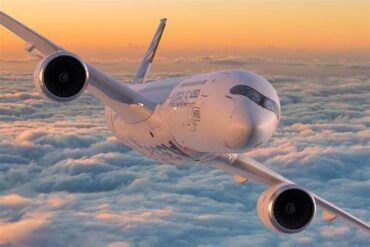
Among the new generation of replacements, the Airbus A350 is perhaps the most balanced successor. With its composite-heavy structure, Rolls-Royce Trent XWB engines, and high aerodynamic efficiency, the A350 offers airlines a way to maintain long-haul capability while slashing fuel consumption and emissions. This aircraft embodies a seismic leap in both design philosophy and environmental performance.
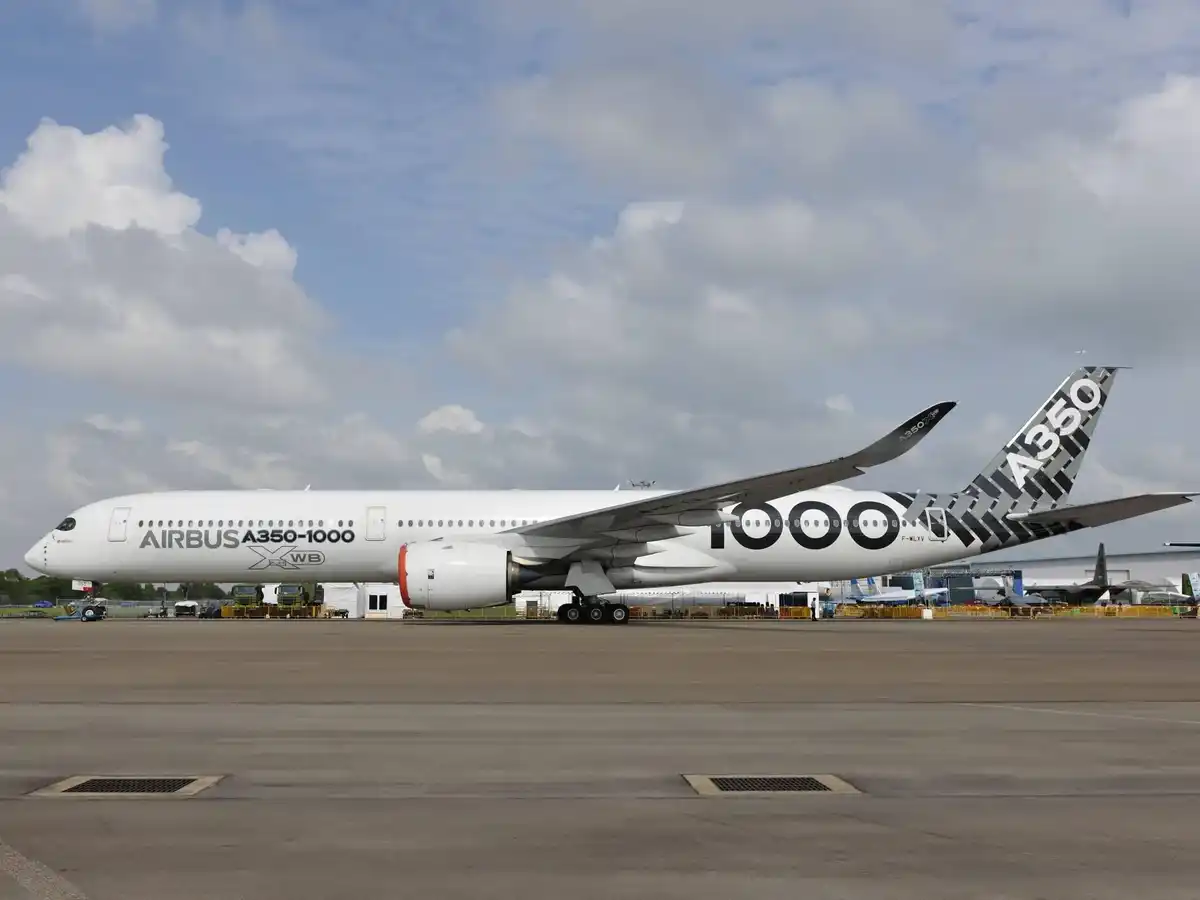
The A350-900 and A350-1000 variants cover a broad operational spectrum. While the -900 is perfect for lower-density long-haul routes that a 747-400 would overserve, the -1000 version can match or exceed the seating capacity of the lower-end 747 configurations. For airlines like Qatar Airways, Singapore Airlines, and Japan Airlines, the A350 has become the new workhorse for intercontinental travel. It enables the retention of global network breadth without the associated costs of a quadjet.
Technically, the A350-1000 boasts a range of 8,700 nautical miles, a maximum takeoff weight (MTOW) of 720,000 lbs, and cruise speeds comparable to the 747, all while operating with half the number of engines. The cabin is not just quieter but also features better humidity control and lighting systems, enhancing the passenger experience and lowering fatigue on ultra-long-haul routes.
Boeing 787 Dreamliner: Redefining Long-Haul Networks
While the 747-400 was designed for hub-to-hub connectivity, the Boeing 787 Dreamliner is optimized for a different world—one where point-to-point services and route flexibility are paramount. The Dreamliner doesn’t try to match the 747 in size; instead, it replicates its reach while revolutionizing its approach. With a frame built from composites, a lightweight design, and next-gen engines like the GEnx and Trent 1000, the 787 dramatically lowers operating costs and opens up long-haul routes that previously weren’t feasible.
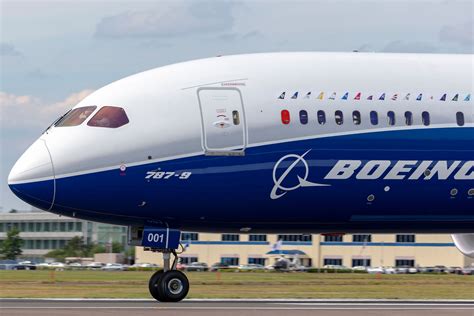
Airlines no longer need to funnel passengers through a few massive hubs. Instead, the 787 allows them to link secondary cities across continents directly, whether that’s Boston to Tokyo, Manchester to Delhi, or Osaka to San Francisco. Its variants—787-8, 787-9, and 787-10—offer seating from under 250 to nearly 340 passengers, ideal for markets where a 747-400 would be financially unsustainable.
Major carriers such as British Airways, American Airlines, and ANA have adopted the Dreamliner as a fleet cornerstone, with some deploying it in multiple daily frequencies instead of one large departure. This allows airlines to better tailor supply to demand while also increasing schedule flexibility.
Boeing 777X: The High-Capacity Successor
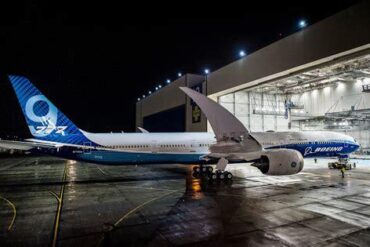
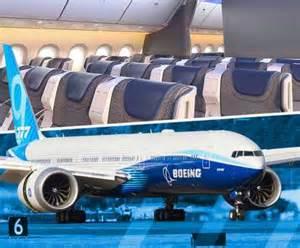
When it comes to replacing the raw power and volume of the 747-400, Boeing’s 777X, particularly the 777-9, is the most direct successor. The aircraft’s specs are formidable: over 400 seats, a range of 7,285 nautical miles, and the world’s most powerful turbofan engine, the GE9X. Yet despite its immense capability, it achieves all of this with just two engines, slashing both fuel burn and emissions.
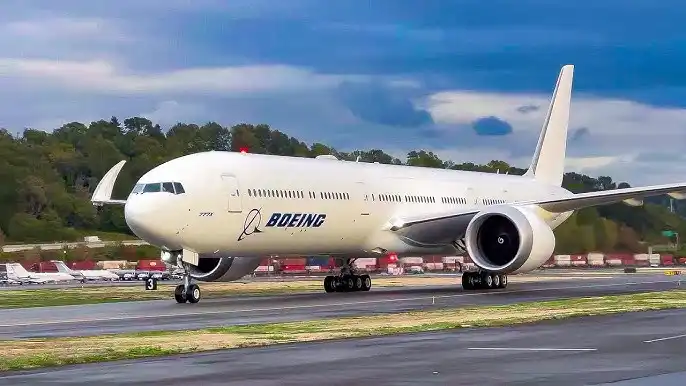
The 777X features a composite wing with an astonishing 71.8-meter span—so long that it includes folding wingtips to fit into standard airport gates. This not only allows it to achieve unparalleled lift-to-drag ratios during cruise but also ensures it remains operationally practical for global airports.
Airlines like Emirates, Lufthansa, and Qatar Airways have placed significant orders for the 777-9, viewing it as the most effective tool for high-capacity trunk routes such as Dubai–London, Frankfurt–New York, and Doha–Sydney. The aircraft fits perfectly into slot-constrained airports where demand remains high, but quadjet economics are no longer justifiable.
No One Aircraft Can Replace the 747-400 Alone
What made the 747-400 exceptional—its ability to carry vast numbers of people across oceans, its reliability, and its grandeur—also makes it hard to replace. No single aircraft today mirrors all those features. Instead, the modern strategy is one of fleet diversity and mission specialization.
- The A350 has taken over long-haul operations with a focus on range and fuel efficiency.
- The 787 allows carriers to explore new markets and direct city pairs, enabling network agility.
- The 777X fills the high-capacity, high-demand niche previously served by the 747-400.
Rather than being replaced by one aircraft, the 747-400’s legacy is now distributed across a new generation of technologically advanced jets. Together, they maintain the global connectivity once dominated by the Queen of the Skies—only now with greater efficiency, lower emissions, and higher economic resilience.
The Freight Shift: 747-400s Find New Life as Cargo Workhorses
Even as the 747-400 disappears from passenger terminals, its story doesn’t end. The airframe’s immense payload capabilities and reliability have made it an invaluable asset in the air cargo sector. Converted freighters and original 747-400F models continue to operate for Airzeta, Cargolux, and UPS, bridging global supply chains.

Yet here too, change is underway. Twin-engine freighters like the Boeing 777-8F and Airbus A350F are entering the scene with promises of similar performance and significantly reduced fuel consumption. As CORSIA and EU ETS compliance costs mount, cargo operators are preparing to phase out even the most dependable quadjets.
The 2035 Fleet Landscape: Legacy Meets Innovation
Looking ahead to 2035, the long-haul landscape will be dominated by these three aircraft families. The A350-1000 will likely serve as the flagship widebody for many network carriers. The 787-9 is set to remain the most flexible and widely used long-haul jet globally. Meanwhile, the 777-9 will dominate dense intercontinental routes, replacing not just the 747-400 but also the increasingly rare Airbus A380.
This transformation will be driven not only by technological advancement but also by regulatory pressure. Environmental mandates are now embedded into strategic fleet planning. Modern aircraft help airlines meet these mandates while keeping long-haul operations profitable.
What Truly Replaces the Queen of the Skies?
The retirement of the 747-400 is not the closing of a chapter, but rather the start of a new era in aviation. The aircraft that succeed it—each in their own way—extend the very idea of what the 747 once represented: global reach, passenger experience, and reliable intercontinental service.
- The A350 brings a clean-sheet design with cutting-edge fuel efficiency.
- The 787 offers network flexibility and economic versatility.
- The 777X delivers high-capacity capability with twin-engine pragmatism.
Individually, none of these can wear the crown the 747-400 once did. But together, they form a new trinity of excellence, ensuring that the values and ambitions the 747 embodied continue to define global aviation for decades to come. The skies may never again see a plane quite like the 747-400, but its spirit lives on—in composite wings, whisper-quiet engines, and direct city pairs once unimaginable.