The Airbus A330neo represents one of the most fascinating evolutionary upgrades in modern commercial aviation. Rather than designing an entirely new aircraft, Airbus chose to modernize an existing widebody platform that first entered service in the early 1990s. This strategy created a question that often appears in aviation discussions: are the wings of the A330neo actually heavier than those of the original A330ceo?
The short answer is yes. The Airbus A330neo wing structure is heavier than the wings on earlier A330 variants, but this increase is not a design flaw. Instead, it is the result of a deliberate engineering trade-off intended to deliver greater aerodynamic efficiency, longer range, and significantly reduced fuel burn during cruise.
Understanding why Airbus accepted this weight increase requires a deeper look into wing aerodynamics, structural reinforcement, and the physics of lift generation. The A330neo is not simply an A330 with new engines—it is a carefully re-engineered aircraft where the wing design plays the central role in achieving modern performance standards.
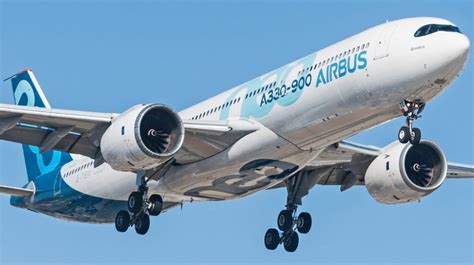
The Evolution From A330ceo to A330neo
When the Airbus A330ceo (Current Engine Option) was first designed in the late 1980s, its mission profile focused on medium-range operations. Fuel prices were lower, composite materials were less common, and airlines were not yet demanding the extreme long-haul efficiency seen today.
The original A330 wing reflected that philosophy. It was designed to be structurally simple and relatively lightweight, with a wingspan of 60.3 meters and modest wingtip fences that helped reduce induced drag. For its era, the design was efficient and robust, but aviation technology has advanced dramatically over the past three decades.
By the mid-2010s, Airbus faced a competitive challenge from the Boeing 787 Dreamliner, which introduced highly efficient composite wings and cutting-edge aerodynamics. Rather than developing a completely new aircraft, Airbus launched the A330neo (New Engine Option) program in 2014. The goal was clear: deliver modern fuel efficiency while keeping development costs manageable for both Airbus and airline customers.
To achieve this, engineers implemented two major upgrades:
- The Rolls-Royce Trent 7000 engines, which offer improved fuel efficiency and higher bypass ratios.
- A completely redesigned aerodynamic wing profile, inspired by technologies used on the Airbus A350.
The wing transformation would ultimately become the defining feature of the aircraft.
Why the A330neo Wing Became Larger and Heavier
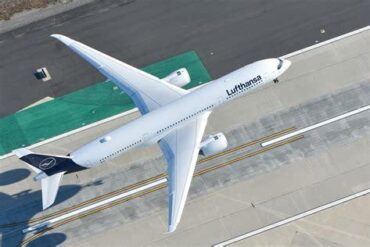
One of the most visible changes between the two aircraft is the dramatic increase in wingspan. The A330neo features a wingspan of 64 meters, nearly four meters wider than the earlier A330ceo.
At first glance, increasing wingspan might seem like a simple extension. In reality, it triggers complex structural consequences throughout the entire wing system. A longer wing behaves like a longer lever. When lift is generated at the tips, the bending forces acting on the wing root increase significantly.
This means the wing must be structurally reinforced to handle higher loads.
Engineers strengthened several components of the wing structure:
- The wing box, which is the central load-bearing structure connecting both wings through the fuselage.
- The main spars, the long structural beams running along the wing span.
- Reinforced mounting structures for the larger engines.
- Additional attachment points for the new composite sharklets.
These reinforcements inevitably add weight. Even though modern materials and optimized designs were used, structural physics leaves little room for compromise. If a wing becomes longer and produces more lift, it must also become stronger.
The result is a wing that is heavier on the scale but significantly more efficient in flight.
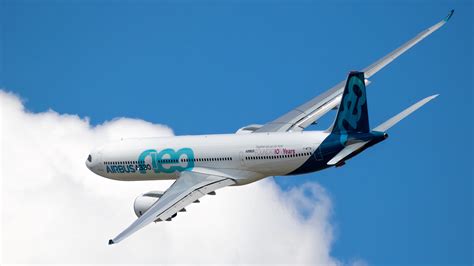
Composite Sharklets: Small Structures With Big Impact
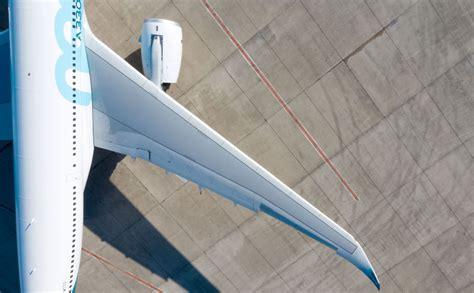
Perhaps the most visually striking feature of the A330neo wing is its large curved sharklets. These vertical wingtip extensions replace the smaller wingtip fences used on earlier A330 models.
Made from carbon fiber reinforced polymer (CFRP), the sharklets stand several meters tall and dramatically reshape the airflow around the wingtip. Their purpose is to reduce induced drag, which is the aerodynamic resistance created when high-pressure air beneath the wing spills over the tip and forms vortices.
Wingtip vortices waste energy. By minimizing them, the aircraft effectively converts more engine thrust into forward motion.
However, sharklets also add structural complexity.
Because they sit at the very end of the wing, they increase the bending moment acting on the wing root. This means engineers had to strengthen the internal structure even further to safely support the new aerodynamic surfaces.
While the sharklets themselves are relatively lightweight due to their composite construction, the reinforcements required to support them contribute to the overall weight increase of the wing system.
The trade-off, however, produces measurable benefits. Airbus reports that the aerodynamic improvements from the new wing and sharklets contribute significantly to the A330neo’s 14% fuel burn reduction per seat compared to earlier A330 variants.
The Operating Empty Weight Difference
The weight difference between the A330neo and its predecessor becomes most visible when examining the aircraft’s Operating Empty Weight (OEW).
A typical A330-900, the most common neo variant, weighs approximately 5,000 kilograms more in OEW than a comparable A330-300ceo.
Several components contribute to this increase:
- Larger Rolls-Royce Trent 7000 engines
- Reinforced wing structure
- Extended wingspan components
- Composite sharklets and attachment structures
- Strengthened pylons and aerodynamic modifications
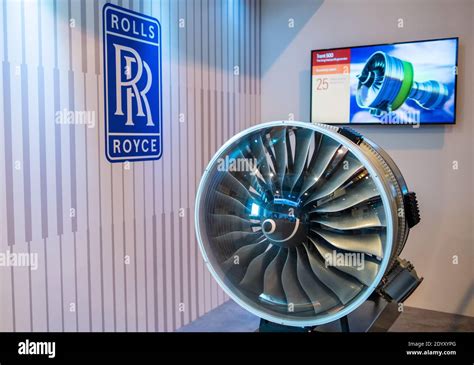
Interestingly, the engines themselves are not the primary driver of this difference. While the Trent 7000 engines feature massive 112-inch fan diameters, each engine is only about 285 kilograms heavier than the earlier Trent 700.
This means a significant portion of the weight increase is tied directly to the wing system and the structural reinforcements required to support it.
Aerodynamic Efficiency Versus Structural Mass
At first glance, adding weight to improve efficiency may seem counterintuitive. After all, aircraft designers typically strive to reduce mass wherever possible.
However, aerodynamic performance often depends more on wing geometry than on structural weight alone.
The A330neo’s longer wing increases its aspect ratio, which is the ratio between wingspan and wing area. Higher aspect ratios produce more lift with less induced drag, especially during cruise conditions.
The A330neo achieves an aspect ratio of approximately 11, one of the highest among large commercial twin-engine aircraft currently in service.
This has several important effects during long-haul flights:
- Reduced aerodynamic drag
- Improved lift-to-drag ratio
- Lower required engine thrust during cruise
- Reduced fuel consumption
In simple terms, the aircraft spends less energy maintaining altitude and speed. Over long distances, the fuel savings become substantial, easily compensating for the extra structural weight carried by the wing.
This design philosophy reflects a broader trend in aviation: accepting modest increases in structural mass to unlock larger aerodynamic gains.
Comparing the A330neo Wing With the Boeing 787
The most natural comparison for the A330neo is the Boeing 787 Dreamliner, another widebody aircraft designed for efficient long-haul travel.
The 787 was developed as a clean-sheet aircraft with fully composite wings, giving it a structural weight advantage over traditional aluminum designs.
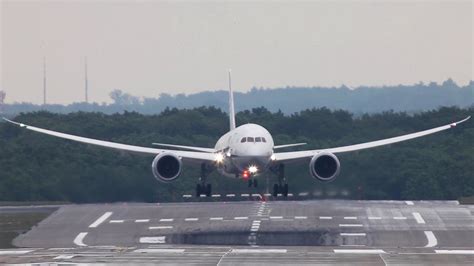
The two aircraft represent different engineering philosophies:
Airbus A330neo Wing Design
- Reinforced aluminum wing structure
- Composite sharklets
- Evolution of an existing airframe
- Lower development cost and faster market entry
Boeing 787 Wing Design
- Fully composite wing
- Designed from scratch
- Lower structural weight
- More complex manufacturing and repair requirements
Although the 787 wing is lighter, the A330neo compensates with its longer wingspan and aerodynamic optimization. The result is a performance gap that is smaller than many analysts initially predicted.
For airlines already operating A330 fleets, the neo offers a particularly attractive advantage: it delivers modern efficiency without requiring entirely new maintenance infrastructure.
Operational Advantages of the Larger Wing
The heavier A330neo wing produces its greatest benefits during long-distance flights.
Routes lasting 8 to 12 hours are where the aircraft truly shines. During these missions, the improved aerodynamic efficiency significantly reduces fuel consumption during the cruise phase, which represents the majority of flight time.
Pilots have also noted subtle handling differences between the neo and earlier A330 variants. The aircraft tends to feel slightly heavier during takeoff rotation due to the increased mass, but once airborne it demonstrates excellent stability and glide efficiency at altitude.
The extended wing effectively allows the aircraft to “float” through cruise conditions with less thrust required from the engines.
For airlines, this translates into several operational advantages:
- Lower fuel costs on long-haul routes
- Increased range capability
- Improved cruise efficiency
- Reduced carbon emissions per passenger
In an era of rising fuel prices and environmental regulations, these improvements carry significant economic value.
Operational Challenges of a Larger Wing
Despite its benefits, the A330neo wing is not without drawbacks. The most obvious issue arises during short-haul operations.
Shorter flights spend a larger percentage of their time climbing rather than cruising. During climb, the aircraft must overcome both gravity and aerodynamic drag while accelerating to altitude.
In this phase, the extra structural weight becomes a disadvantage.
If the aircraft does not remain in cruise long enough to take advantage of the improved lift-to-drag ratio, the heavier structure can actually lead to slightly higher fuel burn compared with earlier A330 variants.
Airlines therefore tend to deploy the A330neo on longer routes where its aerodynamic advantages can fully offset the weight increase.
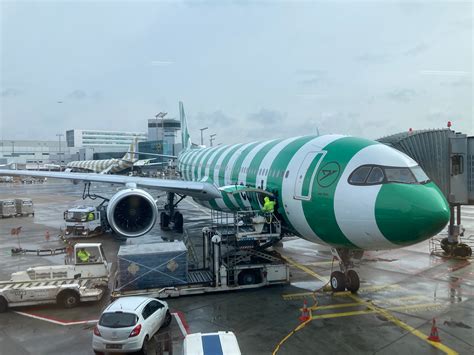
Another operational consideration involves airport infrastructure. With its 64-meter wingspan, the A330neo sits very close to the maximum limits of ICAO Code E airport gates, which allow wingspans up to 65 meters.
While the aircraft technically remains within the same airport category as earlier A330 models, the additional width can create tighter margins when taxiing or parking at older terminals.
Some airports must use modified gate procedures to ensure safe clearance for the larger wingtip sharklets.
Structural Stress and Long-Term Maintenance
The extended wingspan also introduces new structural stresses that engineers must carefully monitor throughout the aircraft’s lifespan.
Longer wings generate larger bending moments at the wing root during flight. Over thousands of flight cycles, these forces can produce fatigue stress within the metallic structure.
Airbus addressed this issue by strengthening the internal spars and reinforcing critical areas of the wing box. The aircraft is also subject to detailed inspection schedules designed to monitor structural health over time.
Although the wing is heavier than the original A330 design, its reinforced structure ensures that it can safely withstand the increased loads generated by the longer span.
From a maintenance perspective, airlines often appreciate the aluminum construction of the A330neo wing. While composite materials offer weight savings, aluminum structures are generally easier and cheaper to repair after minor incidents such as ground handling damage.
This practicality remains one of the reasons Airbus retained a largely metallic wing design rather than adopting a full composite structure.
A Strategic Engineering Compromise
The heavier wings of the Airbus A330neo illustrate a broader truth about aerospace engineering: performance is rarely determined by a single variable. Instead, designers must balance competing priorities such as weight, aerodynamics, cost, manufacturability, and operational flexibility.
Airbus deliberately chose not to redesign the entire aircraft. Instead, engineers enhanced the existing A330 platform with targeted improvements that would deliver measurable gains without the enormous cost of a new program.
By extending the wing and incorporating modern aerodynamic features, Airbus transformed a decades-old airframe into a competitive long-haul aircraft capable of operating well into the 2040s.
The extra structural mass becomes a strategic investment rather than a penalty.
The Final Verdict on A330neo Wing Weight
Yes, the Airbus A330neo wings are heavier than those of the original A330ceo. The increase comes from structural reinforcements, extended wingspan components, and the addition of large composite sharklets.
Yet this added weight is not a drawback. It is a deliberate engineering decision designed to unlock superior aerodynamic performance.
By accepting a modest increase in structural mass, Airbus achieved a dramatic improvement in fuel efficiency, range capability, and long-haul economics. The 64-meter wing allows the aircraft to generate more lift while reducing induced drag, enabling the A330neo to compete effectively with newer widebody designs.
In aviation design, numbers on a scale rarely tell the whole story. The A330neo proves that sometimes a heavier wing can create a lighter operational footprint, turning extra kilograms into long-term savings for airlines and improved efficiency for the global aviation industry.