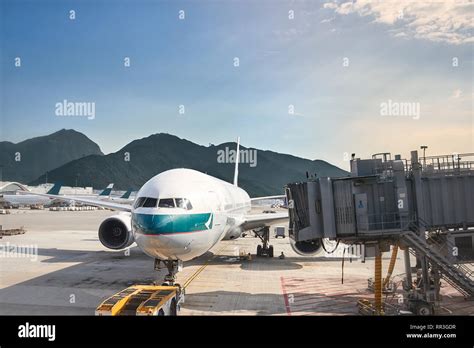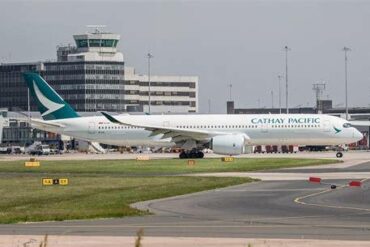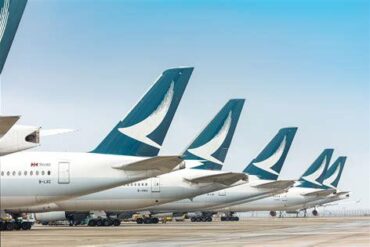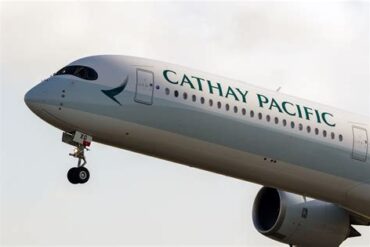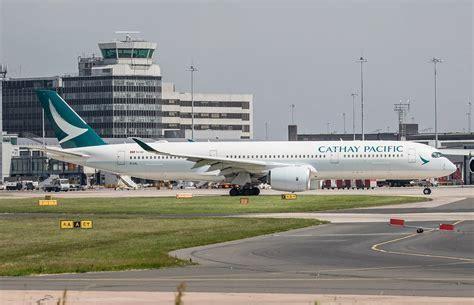
Cathay Pacific’s expansion of its Hong Kong to Dallas-Fort Worth route has swiftly become one of the most compelling developments in transpacific aviation. With an unprecedented surge in demand since its launch in April 2025, the airline has not only solidified its presence in a highly competitive market but also redefined expectations for new intercontinental routes.
A Route Born to Thrive: From Inception to Daily Frequency
Launching a brand-new long-haul route often involves a gradual ramp-up as travelers discover the offering, and airlines fine-tune schedules and marketing. However, Cathay Pacific’s entry into the Hong Kong–Dallas sector defied these norms. Commencing with four weekly flights, the service saw such remarkable success that the airline promptly announced a ramp-up to daily flights by the winter 2025 schedule.
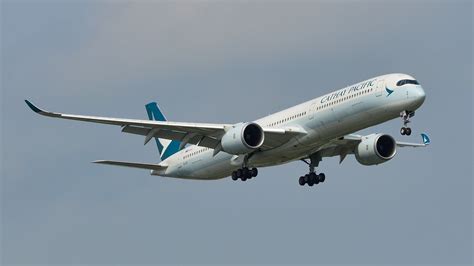
This decision reflects not only the airline’s confidence in the route but also the sheer volume of travelers eager for direct, premium service between Asia and the southern United States. Connecting through Dallas-Fort Worth International Airport (DFW) also strategically positions Cathay Pacific passengers to leverage American Airlines’ extensive domestic and Latin American network, offering seamless onward connectivity.
Unusually Strong Load Factors from the Start
What sets this route apart is its immediate commercial viability. Data from the US Department of Transportation paints a striking picture: load factors for the Hong Kong–Dallas route were consistently high across its initial three months:
- April: 95%
- May: 92%
- June: 93%
These figures not only rival but exceed many of Cathay Pacific’s more established US routes, including New York-JFK and Los Angeles. For a brand-new service, such numbers are nearly unheard of, suggesting a pent-up demand for a premium non-stop link between Texas and Asia’s financial capital.
Part of a Larger US Expansion Strategy
Cathay Pacific’s renewed push into the North American market is evident in its broader winter 2025 schedule. The airline is increasing service frequencies across nearly all US destinations:
- Los Angeles: Up by five weekly flights (now 3x daily)
- San Francisco: Up by seven weekly flights (now 19x weekly)
- Chicago: Up by two weekly flights (now daily)
- Dallas: Upgraded from 4x weekly to daily
This equates to a 34% year-on-year increase in Cathay’s US operations, totaling 82 weekly flights compared to 61 the year before. The airline has filed intentions to potentially increase Dallas flights to 11x weekly between November 2025 and March 2026, although this has not been officially confirmed.
A Premium-Focused Aircraft for a Premium Market
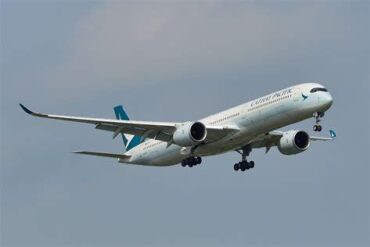
The Hong Kong–Dallas route is served by the Airbus A350-1000, an aircraft renowned for its fuel efficiency, passenger comfort, and range capabilities. The aircraft’s layout is particularly suited to a market showing strong uptake in premium class cabins:
- Business Class: 46 flat-bed seats
- Premium Economy: 32 seats
- Economy: 256 seats
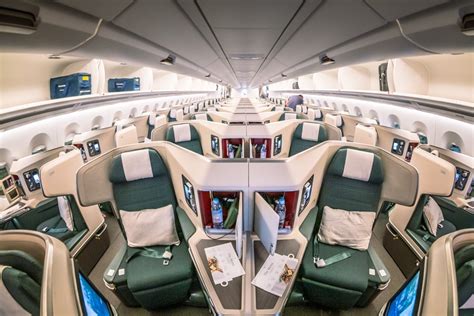
Given the high load factors, especially in the premium segments, this route likely contributes significantly to Cathay’s revenue performance despite the absence of detailed yield data. About 25% of the aircraft’s capacity is premium, a configuration that aligns perfectly with business travelers, corporate contracts, and high-spending leisure passengers.
Hong Kong’s Connectivity Reignited
Cathay Pacific has reiterated its commitment to reinforcing Hong Kong’s role as a global aviation hub, with the Dallas route serving as a prime example. The increased frequency enables greater connectivity to destinations along the Belt and Road Initiative corridor, particularly across Central and South America, regions that see significant trade and cargo flow through Hong Kong.
The Cathay–American Airlines codeshare partnership plays a crucial role in this ecosystem, enabling travelers from Hong Kong to access a vast web of destinations throughout the Americas via DFW, including Mexico City, São Paulo, Bogotá, and other commercial centers.
Competitive Landscape Heats Up at DFW
The arrival of Cathay Pacific in Dallas coincides with a flurry of strategic moves by other Asia-Pacific carriers:
- Qantas reintroduced the Airbus A380 on its Sydney–Dallas route, enhancing capacity and premium offerings.
- EVA Air is preparing to launch its own service to Dallas, indicating the airport’s rising stature as a key entry point for transpacific traffic.
While competition is heating up, Cathay’s early entry and operational success give it a first-mover advantage in establishing a loyal base of premium and business travelers.
A Data-Driven Decision Backed by Robust Metrics
Beyond speculation, Cathay Pacific’s decision-making has been rooted in performance analytics. Between April and June 2025, the carrier filled 530,000 seats on US-bound flights, achieving an average load factor of 89%. For Dallas alone, it consistently outperformed other city pairs in this time frame.
Route maturity normally takes months or even years to reach break-even levels. However, the Hong Kong–Dallas route reached operational maturity within its first quarter, an astonishing feat in airline economics. Whether this is driven by underpriced fares or underlying structural demand, it signals a potent combination of strong market fundamentals and shrewd network planning.
Implications for Future Growth and Route Development
While Cathay Pacific remains cautious in officially confirming further increases, all indicators suggest that more frequencies—or even upgraded aircraft—could be in the pipeline. The airline stated:
“We continue to regularly review our schedule and network, introducing new routes and frequencies in a measured and responsible manner.”
This language, while measured, leaves the door wide open for future upgrades. Dallas could eventually see a double-daily service, or perhaps the introduction of first-class cabins if premium demand remains elevated.
Conclusion: Cathay’s Dallas Route Is a Blueprint for Strategic Excellence
The rapid rise of Cathay Pacific’s Hong Kong–Dallas route offers a blueprint for how airlines can successfully launch and scale new long-haul services in a post-pandemic world. With robust demand, premium-heavy configurations, and strategic hub partnerships, this route exemplifies the best practices in modern aviation strategy.
Cathay Pacific has not merely added a pin to its route map—it has unlocked a powerful corridor of commerce, culture, and connectivity between Asia and the American South. As the airline reviews its winter and summer 2026 schedules, all eyes will be on whether it pushes this route even further into the spotlight.