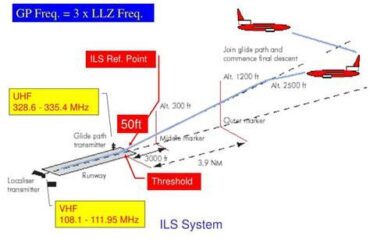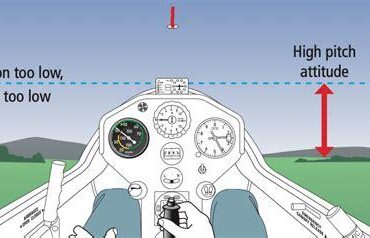
Aviation at night introduces a dramatically different operational landscape, where visual cues are diminished, decision-making windows shrink, and reliance on instrumentation becomes paramount. Night operations, defined by FAR 1.1 as the time between the end of evening civil twilight and the beginning of morning civil twilight, present a complex combination of physiological, environmental, and technical challenges. These challenges necessitate refined procedures, thorough preparation, and acute situational awareness for every flight conducted after the sun has disappeared below the horizon.
Understanding the Night Aviation Framework
The regulatory foundation for night flight operations is embedded in several Federal Aviation Regulations (FARs), including FAR 91.209, FAR 61.57, and FAR 107.29. While general guidelines define night as the period from sunset to sunrise, legal interpretations for operations, logging flight time, and maintaining pilot currency vary slightly depending on context. For example, logging night takeoffs and landings for passenger currency requires that such operations occur one hour after sunset to one hour before sunrise, with each landing executed to a full stop.
In Alaska, specific caveats acknowledge unique geographic conditions, stating that night does not begin unless the sun is more than 6° below the horizon or an unlighted object cannot be seen from 3 statute miles. These distinctions underscore the operational complexity of night flying in regions with prolonged twilight or unique solar patterns.
Lighting Protocols and Visual Systems
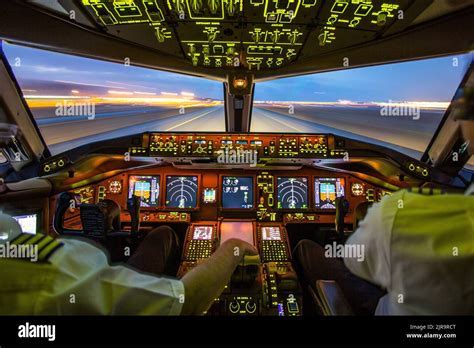
Operating an aircraft at night mandates strict adherence to lighting protocols. Aircraft must be equipped with position lights, anti-collision strobes, and landing lights (if operated for hire). Position lights—red on the left wing, green on the right, and white on the tail—are essential for orientation and visibility to other aircraft. Anti-collision lights are required from engine start to shutdown, and landing lights enhance visibility for taxiing, takeoff, and identifying terrain or animals on runways.
Airport lighting systems support spatial awareness, with pilot-controlled lighting systems (PCL) allowing intensity adjustments through microphone key clicks—3, 5, or 7 clicks to adjust brightness levels. Runway edge lights, taxiway centerline lighting, rotating beacons, and obstruction lights guide pilots during low-visibility maneuvers. Failure to interpret these visual cues correctly can lead to runway incursions, disorientation, or missed approaches.
Aircraft Equipment Requirements for Night Flight
Aircraft configuration plays a pivotal role in night flight safety. For VFR night operations, in addition to the standard daytime VFR requirements (TOMATO FLAMES), aircraft must also meet FLAPS requirements:
- Fuses/circuit breakers
- Landing light (if for hire)
- Anti-collision lights
- Position lights
- Source of electrical energy
Instrument flight rules (IFR) impose further requirements under the GRABCARD mnemonic, demanding functional navigation and gyroscopic instruments, radios, and a timepiece. Inoperative instruments must be placarded and addressed per FAR 91.405 and FAR 91.213. Safety-critical systems must be repaired before flight.
Visual Illusions and Disorientation at Night
Spatial disorientation is among the most insidious threats in night flying. With the loss of a discernible horizon, pilots are more susceptible to the leans, graveyard spirals, and false sensations of movement. These illusions can easily spiral into life-threatening scenarios unless mitigated by disciplined instrument scanning and HUD utilization.
To combat disorientation:
- Minimize head movement in level flight.
- Rely on autopilot if necessary.
- Reduce workload and maintain straight-and-level flight.
- Re-establish spatial orientation through unusual attitude recovery techniques.
Pilots should adhere strictly to AVIATE, NAVIGATE, COMMUNICATE, especially when systems or clarity degrade unexpectedly.
Physiological Factors and Night Vision Management
Human vision is inherently limited in low-light environments. Rod cells in the retina support night vision but adapt slowly and are easily overwhelmed by bright lights. Pilots should avoid direct exposure to white light for 30 minutes before departure to allow for full dark adaptation.
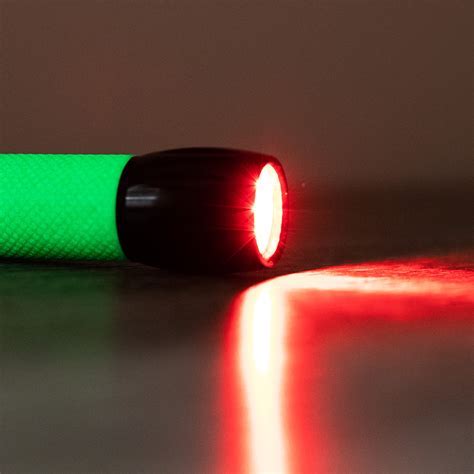
Using red lights in the cockpit helps preserve night vision, though it also makes red cockpit markings and maps harder to read. Many pilots equip themselves with multiple flashlights—white, red, and green/blue filters, with spare batteries. Devices like the Mike Light 3, which clips onto the mic boom, offer hands-free utility and minimize cockpit distraction.
Preflight and Taxi Procedures in Darkness
Preflight inspection at night must be more meticulous. Pilots should:
- Use a white flashlight to check oil levels, fuel caps, and control surfaces.
- Verify that all required lights function.
- Inspect for contamination or icing, which may not be visible in ambient light.
Taxiing in darkness requires adherence to centerlines, reduced speed (half of daytime speed), and enhanced vigilance. Pilots should dim internal lights to avoid glare and increase outside visibility. Avoiding bright mobile devices and managing internal lighting contrast is critical to maintaining situational awareness.
Night Takeoffs, Approaches, and Landings
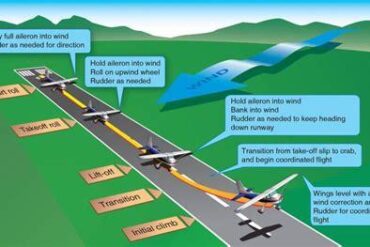
Takeoff performance may benefit from cooler nighttime temperatures, but the absence of terrain features increases the chance of spatial misjudgment. Pilots should monitor climb rates and maintain departure headings through instruments.
On approach:
- Use visual glide slope indicators (VGSI) where available.
- Set heading bug to runway alignment.
- Identify runway by rotating beacon and light configuration.
- Delay round-out until tire marks or threshold become visible.
- Practice blackout landings for preparedness in lighting failure scenarios.
Wide pattern turns and overflying the runway are common errors. Pilots should cross-reference instruments and remain wary of illusions that make airports appear closer or farther than they are.
Weather and Environmental Hazards
Clouds become nearly invisible at night, and sudden penetration can lead to instrument meteorological conditions (IMC). Without visual horizon references, pilots must depend entirely on instruments. Night weather briefings should include “bluming” checks—backlit cloud identification and GPS waypoint checks to confirm spatial position.
Hypoxia, though typically associated with high altitude, can be exacerbated by fatigue or poor cabin pressurization. Pilots should climb cautiously and monitor physiological symptoms.
Emergency Procedures in the Dark
Engine failure or electrical malfunctions at night demand rapid, composed action:
- Establish best glide speed and maintain control.
- Select a landing site—preferably illuminated or uncongested.
- Execute restart checks: fuel selector, magnetos, primer.
- Notify ATC or UNICOM of situation.
- Use landing lights to identify terrain; if lights fail, maintain level attitude.
- Execute slow-speed landing with flaps and full nose-up trim.
Once on the ground, evacuate immediately, using flashlights or illuminated paths to guide passengers to safety.
Unmanned Aerial Systems (UAS) Night Operations
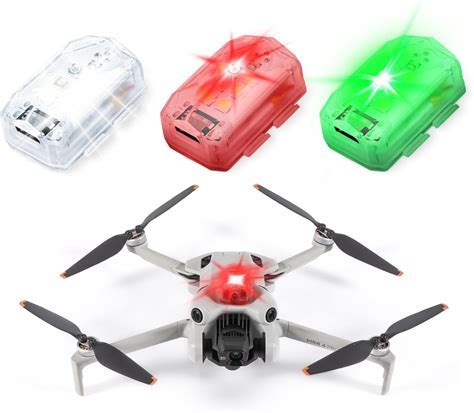
Night drone operations are regulated under Parts 91, 107, and 44809. Remote pilots in command (PICs) must complete FAA-sanctioned night training and equip drones with anti-collision lighting visible for at least 3 statute miles, flashing at an acceptable frequency. Lighting intensity may be reduced but must not be disabled.
Maintaining visual line of sight (VLOS) is mandatory. Operators must follow Certificate of Waiver (COA) requirements and maintain safe standoff distances from people and structures.
Training and Certification for Night Flight
According to the Private Pilot Airman Certification Standards (ACS), pilots must demonstrate knowledge in:
- Physiological vision challenges and equipment use.
- Airport lighting systems and navigation aids.
- Visual illusions and risk mitigation.
Risk management and practical skills are assessed if the checkride is conducted at night. Instructors may endorse student night solo privileges under FAR 61.87(o), provided students show proficiency.
Case Study Insights: Night Flight Accident Trends
Accident data from 2017–2021 reveals a high incidence of mishaps during night VFR operations, particularly among inadequately trained pilots. Common factors include loss of control in IMC, misidentification of runways, and fuel exhaustion due to improper preflight planning. Many accidents stemmed from over-reliance on visual cues and failure to cross-check with instruments.
Such findings underscore the importance of rigorous simulator training, scenario-based night flights, and currency maintenance beyond regulatory minimums.
Conclusion: Vigilance and Preparedness Define Night Success
Night operations in aviation are a true test of a pilot’s discipline, preparation, and technical skill. The altered visual environment heightens the risk of spatial disorientation and illusions, making it imperative to rely on instruments, adhere to lighting protocols, and plan thoroughly. From cockpit lighting to final touchdown, every detail matters. Pilots who master the techniques and embrace the caution required by night flying ensure not only their safety but the confidence of those who fly with them.