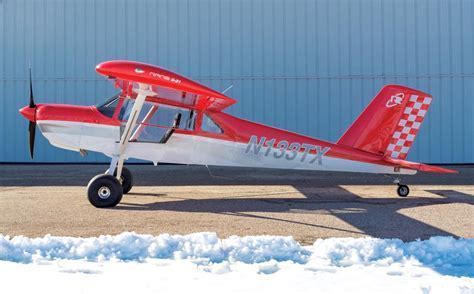
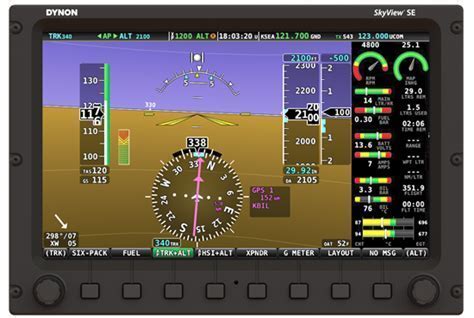
Flying an aircraft equipped with a constant speed propeller demands a precise understanding of how throttle and propeller controls interact to maintain ideal performance. In this comprehensive guide, we dive deeply into mastering these controls using the example of the RANS S-21 Outbound, equipped with the Rotax 912iS engine and Dynon SkyView displays.
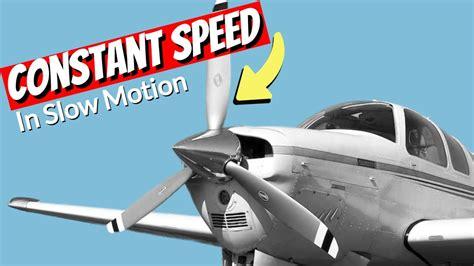
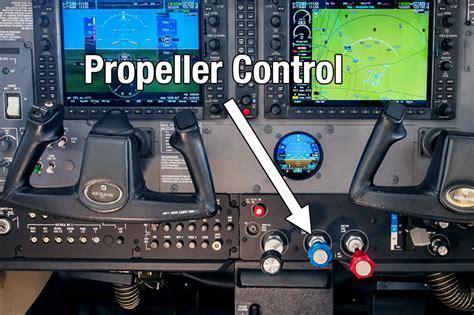
Flying with a constant speed propeller is significantly different from operating a fixed-pitch setup. Here, the pilot commands engine RPM with the prop lever, while power output is set via the throttle. This distinction is vital for safe, efficient flight operations.
Understanding the Basics of Constant Speed Propeller Control
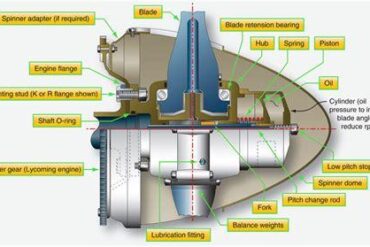
The Rotax 912iS engine in the RANS S-21 uses an automatic FADEC (Full Authority Digital Engine Control) system, removing the need for manual mixture adjustments. The constant speed propeller allows for optimization of blade pitch automatically, offering maximum performance across varying flight phases.
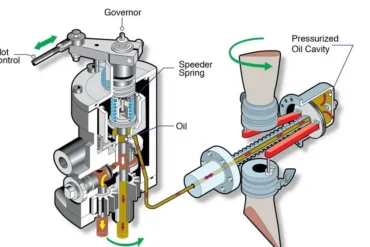
The prop lever, when pushed fully forward, commands the system to maintain the maximum allowable RPM — in this case, 5800 RPM. Rapid movements of the prop lever can cause temporary overspeed until the governor adjusts blade pitch accordingly. However, pilots must remain vigilant to avoid mechanical strain during such transitions.
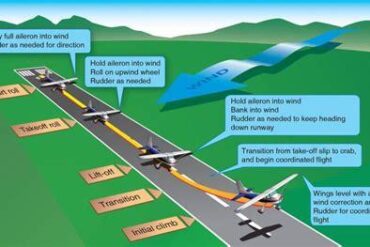
Executing a Short-Field Takeoff with Precision
Achieving an effective short-field takeoff in the S-21 involves methodical steps:
- Brakes applied firmly.
- Prop lever fully forward to ensure maximum RPM.
- Throttle advanced to full power until the engine stabilizes at 5800 RPM.
- Brakes released smoothly to commence the takeoff roll.
- Rotation initiated at the predetermined speed for optimal lift-off.
Short-field techniques demand full available thrust immediately, making the fine propeller setting critical to generate the highest static thrust at the start of the takeoff roll.
Managing Power Reduction Post-Takeoff
Once airborne and after five minutes of maximum continuous power, it is essential to transition to a cruise climb or normal cruise setting to preserve engine health. The sequence is crucial:
First, reduce throttle to lower the manifold pressure. Only after stabilizing the manifold pressure should the prop lever be pulled back to adjust to a lower RPM, typically 5500 RPM for 140 horsepower output.
This sequence — “throttle back first, then prop lever back” — ensures that sudden reductions in engine speed do not lead to overboosting conditions or mechanical stress.
Establishing Optimal Cruise Settings
Cruise operations prioritize fuel economy and engine longevity. The pilot first selects the desired manifold pressure using the throttle, then fine-tunes the RPM with the prop lever to match recommended settings outlined in the aircraft’s POH (Pilot Operating Handbook).
Manifold pressure, representing the absolute pressure within the intake manifold, acts as a direct indicator of engine power output. Thus, a balanced combination of reduced manifold pressure and appropriately matched RPM ensures efficient, smooth cruising.
Mastering Descent and Approach Procedures
During descent or approach, the sequence of power reduction must again be adhered to rigorously:
- Throttle reduced first to decrease manifold pressure.
- Prop lever adjusted as necessary, though often left full forward to allow for instant power availability if a go-around becomes necessary.
This technique ensures engine responsiveness during critical phases where a sudden application of power may be required.
Executing a Controlled Short-Field Landing
For short-field landings, engine settings mirror those of standard approaches: propeller full fine, throttle retarded to idle upon final approach. Landing performance is governed more by airspeed management, precise flap deployment, and refined pilot technique than by any special propeller manipulation.
Maintaining fine pitch on short final ensures maximum RPM and thus maximum engine power availability should a go-around be necessary. This procedural consistency minimizes pilot workload and enhances safety margins.
The Physics Behind Blade Pitch and Angle of Attack (AoA)
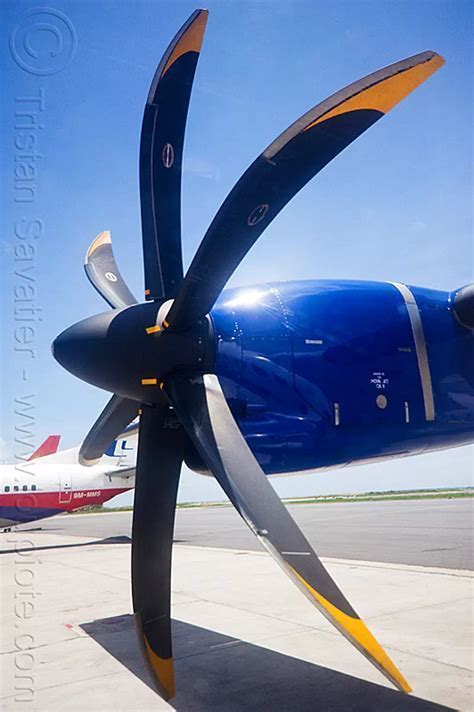
Understanding the interplay between propeller blade pitch and angle of attack (AoA) is critical. Pushing the propeller lever forward decreases the AoA on the blades, moving them into a fine pitch position ideal for takeoff and climb — low blade resistance but high RPM. Pulling the lever back increases the AoA, moving the blades into a coarse pitch, reducing RPM, and optimizing for cruise conditions.
In the event of an engine failure, feathering the propeller — aligning the blades edge-on to the airflow — reduces drag significantly. A feathered blade profile achieves an effective AoA near zero, minimizing aerodynamic resistance and allowing for a controlled glide.
Common Mistakes to Avoid in Constant Speed Propeller Operations
Even experienced pilots can fall prey to operational errors when managing constant speed props:
- Abrupt prop lever movements: Can cause brief overspeed before the governor corrects blade pitch.
- Incorrect sequencing: Pulling the prop lever before reducing throttle can risk overboost.
- Neglecting prop lever in go-around: Failure to keep propeller full fine can delay power response when most needed.
By adhering strictly to the correct sequence — always adjusting throttle before propeller — and maintaining constant vigilance over engine parameters displayed on systems like Dynon SkyView, pilots ensure optimal engine care and flight safety.
Advanced Engine and Propeller Management Tips
Advanced pilots can further optimize their operations through nuanced understanding:
- Power Curves: Know your aircraft’s power curves intimately. Flying on the back side of the power curve requires significantly different power and pitch adjustments compared to forward side flight.
- Density Altitude Considerations: High density altitudes necessitate adjustments in throttle and prop settings to account for reduced air density affecting both engine output and aerodynamic efficiency.
- Shock Cooling Prevention: Avoid rapid throttle reductions which can cause engine shock cooling, especially in colder climates or during prolonged descents.
Conclusion: Mastery Through Methodical Practice
Operating an aircraft with a constant speed propeller requires an elevated level of precision and understanding. Pilots must internalize the nuanced dance between throttle and propeller control, always respecting the sequence and underlying physics governing manifold pressure and RPM. By mastering these principles, we elevate our flying to a level of professionalism that ensures safety, efficiency, and mechanical longevity.
True expertise is cultivated through methodical, consistent practice. In mastering constant speed propeller operations, we not only preserve our aircraft but also sharpen our airmanship to its highest form.