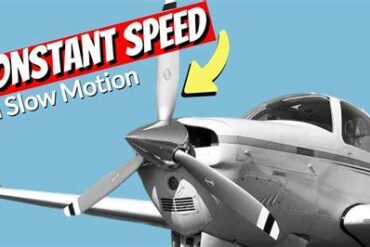
A constant speed propeller represents one of the most significant advancements in general aviation propulsion systems, seamlessly blending performance optimization with operational flexibility. Unlike fixed-pitch propellers, which maintain a static blade angle regardless of flight conditions, a constant speed propeller adjusts its blade pitch to maintain a selected engine speed, significantly improving aircraft performance across all phases of flight.
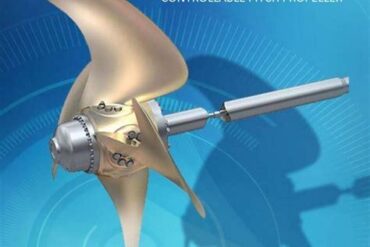
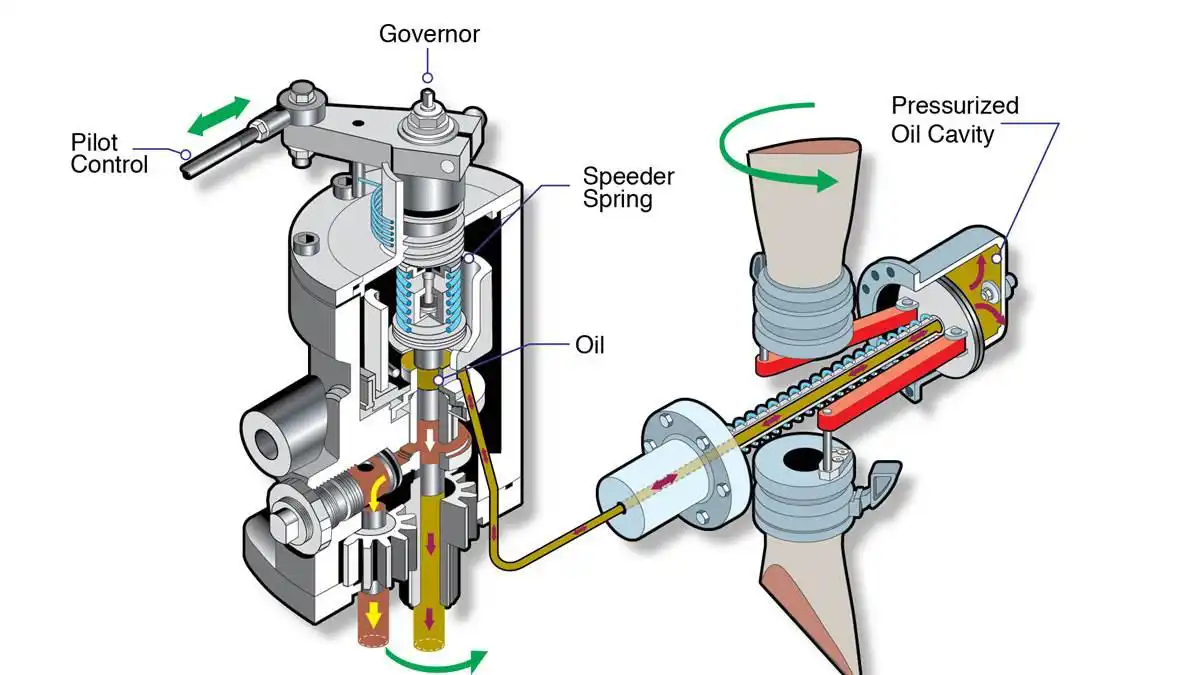
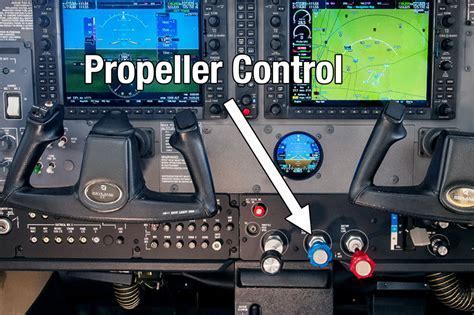
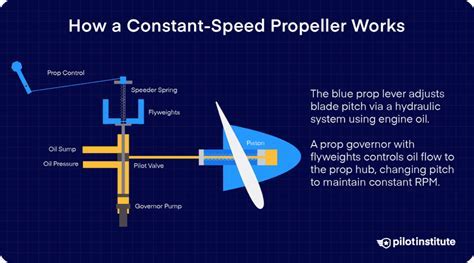
At the heart of this system is a hydraulically actuated mechanism, where engine oil is used not just for lubrication but as the working fluid to control blade pitch. This intricate coordination of mechanical and fluid dynamics provides pilots with the ability to finely tune engine RPM via a cockpit-mounted blue propeller control lever, typically situated next to the throttle. This lever is linked mechanically to the governor, the brain of the operation, which modulates oil flow to the propeller hub based on desired RPM settings.
Understanding the Mechanics of Constant Speed Propellers
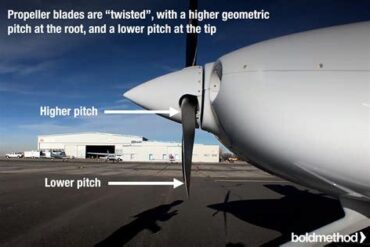
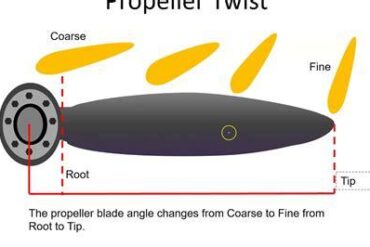
To comprehend the elegance of a constant speed propeller, one must first grasp the relationship between propeller blade angle, thrust production, and engine workload. When a low blade angle (flat pitch) is selected, the propeller takes small “bites” of air, allowing the engine to spin faster and produce maximum RPM—ideal for takeoff. Conversely, when the blade angle increases (high pitch), the propeller takes larger bites, requiring more torque and reducing RPM, which is optimal for cruising.
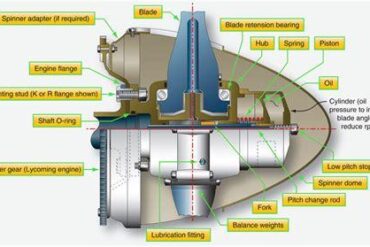
This dynamic adjustment is made possible through a system of flyweights, speeder springs, and a pilot valve housed within the governor. As engine RPM fluctuates due to changes in flight conditions or pilot input, the flyweights move outward or inward under centrifugal force, adjusting the pilot valve accordingly. The pilot valve then modulates oil pressure to the propeller hub, changing the blade pitch to restore the desired engine speed.
The Role of the Governor: Precision in RPM Control
The governor plays a central role in the constant speed propeller system, acting as the intermediary between pilot input and mechanical response. It comprises several key components:
- Governor Control Lever: Directly connected to the blue prop lever in the cockpit.
- Threaded Shaft and Speeder Spring: Adjust tension on the flyweights to determine the target RPM.
- Flyweights: Rotate with the engine and respond to RPM changes.
- Pilot Valve: Channels engine oil to and from the propeller hub.
- Governor Gear Pump: Increases oil pressure for quick blade pitch changes.
This finely-tuned mechanical system ensures the propeller maintains a near-constant RPM, adjusting pitch automatically in response to engine load variations.
Operational Phases: From Takeoff to Cruise
During takeoff, the propeller control is pushed full forward. This sets the blades to a low pitch, high RPM configuration, maximizing thrust and ensuring rapid acceleration. Once airborne and at cruise altitude, the prop lever is pulled back to increase blade pitch, reducing engine RPM. This adjustment improves fuel efficiency, reduces engine wear, and lowers cabin noise—a trifecta of operational advantages.
In cruise, the aircraft benefits from the constant speed system’s ability to maintain a selected RPM, regardless of altitude or airspeed changes. This not only enhances engine longevity but also allows for smoother power transitions during flight.
Climb and Descent: Automatic RPM Compensation
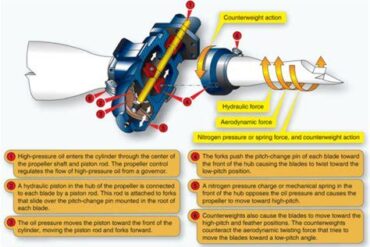
The true genius of the constant speed propeller becomes apparent during climbs and descents. In a climb scenario, where the aircraft pitches up and engine RPM begins to drop (underspeed condition), the flyweights move inward. This causes the pilot valve to open, releasing oil from the hub and decreasing blade pitch. As a result, the propeller spins faster, restoring the target RPM.
In a descent, the engine unloads and RPM tends to increase (overspeed condition). Here, the flyweights swing outward, causing the pilot valve to admit more oil into the hub, increasing blade pitch and thus slowing the prop. These automatic corrections allow for stable RPM performance without constant pilot input.
Safety Redundancy: What Happens If Oil Pressure is Lost?
An ingenious fail-safe feature is built into most constant speed propellers used in single-engine aircraft. In the event of oil pressure loss, the system defaults to a low pitch/high RPM setting. This happens because of a spring installed behind the hub piston and the aerodynamic twisting force acting on the blades. These forces ensure the propeller reverts to a configuration suitable for emergency power during critical phases like takeoff or go-around, offering the pilot maximum available thrust in case of engine trouble.
Real-World Pilot Workflow with Constant Speed Props
The operational logic behind the constant speed propeller becomes second nature to seasoned pilots. Here’s a typical usage profile:
- Before Takeoff: Prop lever full forward for maximum RPM.
- After Takeoff: Maintain full RPM until reaching safe altitude.
- Cruise: Reduce throttle, then pull the prop lever back to desired RPM.
- Descent: Adjust throttle and prop to prevent overspeed.
- Landing Approach: Prop lever forward to be ready for go-around.
This sequence offers maximum control, fuel economy, and power availability at all stages.
Why Constant Speed Beats Fixed-Pitch Every Time
Fixed-pitch propellers force a compromise between takeoff power and cruise efficiency. A blade angle ideal for one phase becomes a liability in another. The constant speed system eliminates this compromise, delivering:
- Enhanced performance at all speeds
- Optimized fuel consumption
- Quieter and smoother operation
- Longer engine and propeller life
It also equips the pilot with an extra layer of situational adaptability, which can be critical in dynamic weather or traffic conditions.
Integration and Maintenance Considerations
While constant speed propellers offer immense benefits, they also require meticulous maintenance and preflight checks. Key areas include:
- Oil level and quality
- Governor operation and response
- Propeller blade condition
- System leak checks and pitch stops
Routine inspections ensure that the blade pitch system responds correctly to cockpit commands and that the governor operates within manufacturer specifications.
Conclusion: A Legacy of Precision and Power
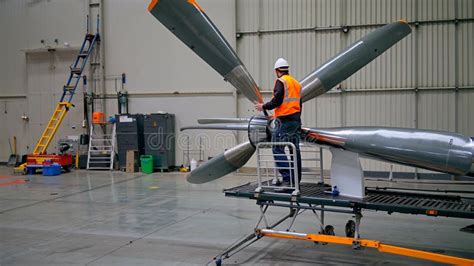
The constant speed propeller is not just a mechanical innovation—it is an enabler of superior aerodynamic control, efficiency, and flight safety. By dynamically altering blade pitch to match flight conditions, it frees the engine from the limitations of fixed RPM operation, resulting in smoother climbs, efficient cruises, and confident approaches.
As pilots become proficient with this technology, they gain a powerful tool that enhances aircraft performance while deepening their connection with the dynamics of flight. It stands as a testament to aviation engineering—where form meets function with surgical precision.