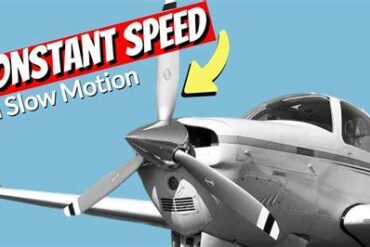
Propeller synchronisation is the method of adjusting the propellers on a multi-engine aircraft so they rotate at the same speed. When the propellers are out of sync, a noticeable vibration or “beat” occurs. While this doesn’t impact the aircraft’s performance, it can be bothersome for everyone on board. The main goal of propeller synchronisation is to enhance passenger comfort.
In a twin-engine plane, pilots can manually synchronise the propellers by carefully adjusting the RPM of one engine until it matches the other. The absence of the audible “beat” is often the only way for pilots to tell if they’ve succeeded. Some aircraft come with cockpit indicators that help pilots match the propeller speeds more easily, and these can also indicate when to use electronic propeller synchronisation.
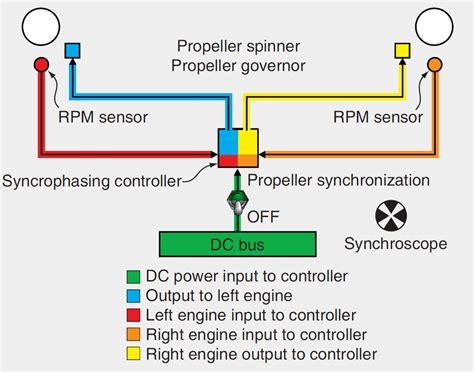
Many multi-engine planes are equipped with an electronic propeller synchroniser. To operate it, the pilot first matches the RPM of each propeller roughly, then engages the system. One engine is set as the “master,” while the others are called “slaves.” The synchroniser adjusts the RPM of the slave engines to precisely match that of the master engine and keeps them in sync.
However, pilots must remember to turn off the synchronisation during takeoff, landing, single-engine operations, or when making intentional changes to the propeller RPM in flight, such as switching from climb to cruise settings.