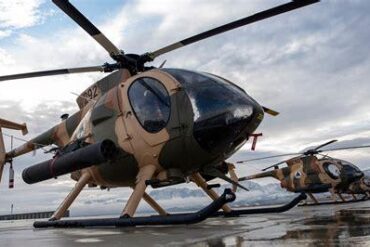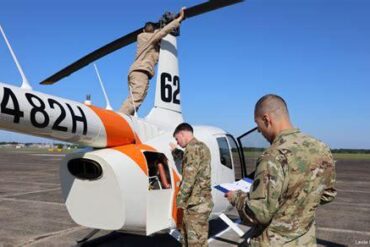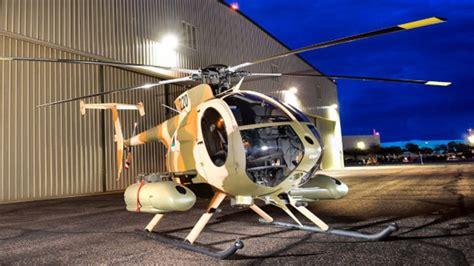
As the U.S. Army embarks on its ambitious Flight School Next (FSN) initiative, which aims to modernize aviation training for the next generation of warfighters, MD Helicopters has unveiled its MD 530F as an ideal, purpose-built training platform. Tailored to meet the Army’s evolving operational needs, the MD 530F is a combat-ready helicopter designed to provide realistic, high-fidelity training for Army aviators.
A Specialized Trainer for the Army’s Modern Aviation Needs
MD Helicopters has framed the MD 530F not merely as a civilian adaptation but as a dedicated military trainer developed from decades of battlefield experience. The company’s President and CEO, Ryan Weeks, emphasized that the MD 530F is designed to reflect the realities of modern operational environments. In his words, “The Army is investing in its future warfighters, and that means delivering training tools that truly reflect operational reality. The MD 530F is not just ready for that mission—it was built for it.”
The MD 530F is positioned as a bridge between cost-effective training and the high demands of military aviation. Unlike other civilian-based trainers, the 530F is a combat-tested platform equipped to handle the demands of both high-intensity training and battlefield conditions. MD Helicopters is presenting the 530F as not just an option but a ready-now solution for the U.S. Army.
Performance Features Designed for Real-World Application
Flight Characteristics Mimicking Frontline Aircraft
One of the most striking features of the MD 530F is its five-bladed, fully articulated rotor system, which allows the helicopter to deliver flight characteristics that closely replicate frontline U.S. Army aircraft. According to MD Helicopters, the platform offers flight handling that mirrors the larger rotorcraft currently in service with the Army, including the UH-60M Black Hawk, AH-64E Apache, and CH-47F Chinook.
This design decision ensures that MD 530F trainees are provided with a seamless transition to more advanced platforms. The idea is to provide pilots with experience in a trainer that reflects the challenges they will face when they enter the cockpit of operational rotorcraft.
Built on a Proven Airframe
The MD 530F is built upon the 500-series airframe, a tried-and-tested platform that has been operational for decades. This airframe is paired with a hydraulics-free flight control system, which simplifies maintenance and reduces costs. Moreover, the aircraft features a crash-resistant fuel system and an energy-absorbing fuselage, both of which enhance the overall safety of the pilot and crew.
These safety innovations are paramount for the Army, where operational environments can be unforgiving. With a design rooted in crashworthiness, the 530F aligns closely with the Army’s increasing emphasis on crew survivability during all stages of training.
Power and Performance Under Extreme Conditions
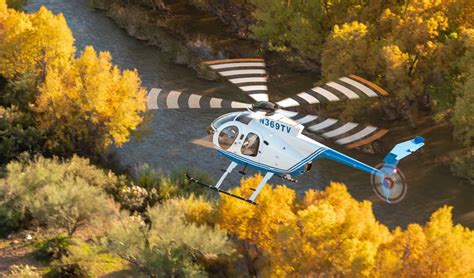
Powering the MD 530F is the Rolls Royce C30 engine, which delivers an impressive 650 shaft horsepower. This engine is designed to excel in high-altitude and high-temperature environments, ensuring that the platform maintains its operational readiness no matter the external conditions. Given that many of the Army’s training sites are located at elevations and in areas subject to extreme weather, this performance is essential.
MD Helicopters touts the aircraft’s ability to perform in varied training environments, ensuring that it can handle different mission profiles. From day-to-day training exercises to more extreme scenarios, the MD 530F is built to adapt.
Day and Night Training Capabilities
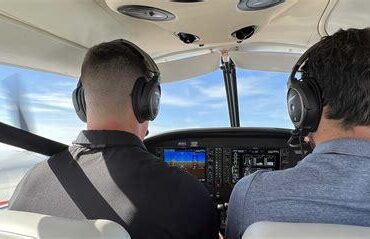
The MD 530F is equipped with a dual-control, NVG-compatible cockpit, providing instructors and trainees with the tools needed for both day and night operations. Night Vision Goggles (NVGs) are essential for modern military aviators, as many operations take place under low-visibility conditions. By incorporating this feature into the cockpit design, MD Helicopters ensures that pilots can be trained in an environment that mirrors operational realities. This enhances the level of training realism from the start of a pilot’s journey.
A Cost-Effective Solution for the Army’s Future Training
While the performance features of the MD 530F are impressive, MD Helicopters also emphasizes the cost-effectiveness of the platform. The company highlights the platform’s reliability, which reduces maintenance downtime, offering the Army a higher return on its training investment. Unlike other aircraft that may require more frequent maintenance or specialized repairs, the MD 530F’s rugged design promises to provide more consistent, cost-efficient training.
Additionally, the MD 530F is built with logistical efficiency in mind. The simplicity of its systems and the use of readily available components contribute to its low long-term support costs, a crucial factor when the Army considers the overall lifecycle costs of a training platform.
MD Helicopters insists that this combination of modern performance, reduced operating costs, and maintenance efficiency makes the MD 530F a compelling option for the U.S. Army’s future training needs.
Global Military Adoption and Proven Operational History
The MD 530F is not an untested newcomer to military operations. The aircraft is already in service with various military forces worldwide, a testament to its operational maturity. It has proven itself capable of supporting the diverse requirements of modern military forces in combat and training environments alike.
This global footprint provides MD Helicopters with a unique advantage in presenting the 530F as a military-ready platform. As the U.S. Army continues to evaluate its options under the Flight School Next program, MD Helicopters is confident that the MD 530F stands out as a battle-tested, cost-effective trainer capable of delivering high-quality, mission-ready aviators.
The MD 530F: Designed for the Army’s Next Generation of Aviators
As the U.S. Army accelerates its efforts to create the next generation of warfighters, training has become more critical than ever. The MD 530F offers a unique blend of advanced performance, combat heritage, and cost-effectiveness, making it a viable candidate for the Army’s future training needs. In a time of rapidly advancing technology and shifting operational requirements, MD Helicopters is presenting the 530F as a key player in preparing future Army aviators for the complexities of modern warfare.
In conclusion, the MD 530F is not just a helicopter; it is a training tool designed to shape the future of Army aviation. Its combination of combat relevance, realistic training capabilities, and affordability positions it as an indispensable asset in the Army’s evolving flight training system.