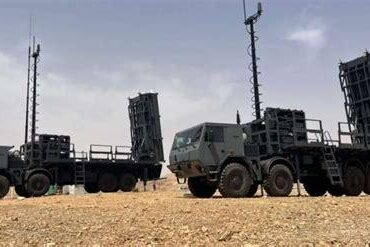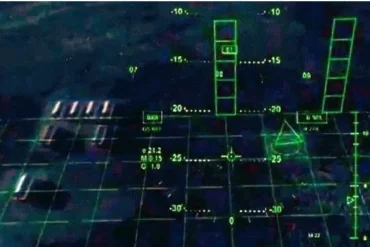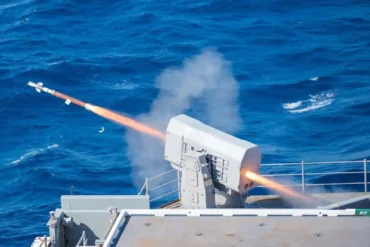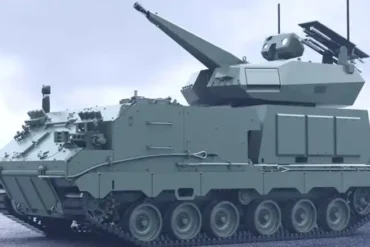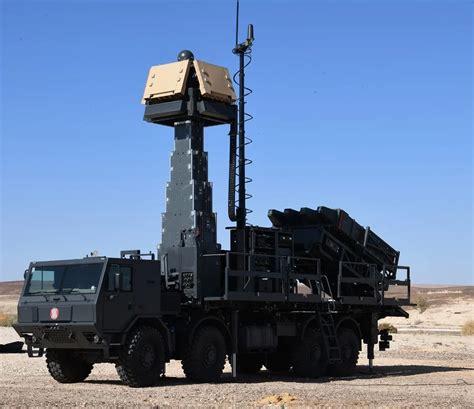
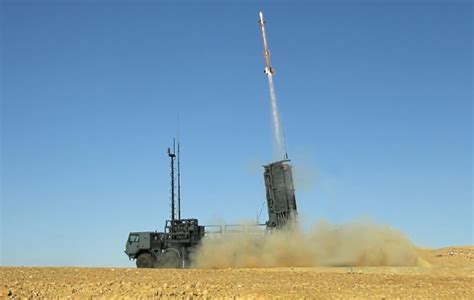
The SPYDER Air Defense System is a state-of-the-art mobile air defense solution developed by Rafael Advanced Defense Systems, one of Israel’s leading defense contractors. Designed for short and medium-range defense, this highly mobile system offers rapid response times, all-weather capabilities, and precision-targeting against a wide variety of aerial threats. SPYDER, which stands for Surface-to-Air Python and Derby, combines cutting-edge missile technology with advanced radar systems, making it an integral part of many nations’ air defense strategies. In this article, we will explore the SPYDER system’s capabilities, components, operational history, and its impact on global air defense landscapes.
An Overview of the SPYDER System
The SPYDER system, first developed in 2005, is a short-to-medium-range mobile air defense system. Unlike traditional fixed air defense systems, SPYDER can be rapidly deployed to protect both fixed installations and mobile forces. The system is capable of engaging a variety of air targets, including enemy aircraft, helicopters, unmanned aerial vehicles (UAVs), drones, and cruise missiles. This flexibility allows SPYDER to provide comprehensive protection in combat zones, securing both static and mobile defense positions.
The system is composed of two primary variants:
- SPYDER-SR (Short Range): This version is designed for short-range air defense, offering rapid reaction times and effective engagement capabilities at ranges up to 40 kilometers.
- SPYDER-MR (Medium Range): The medium-range variant extends engagement capabilities to 80 kilometers, providing an effective shield against a broader spectrum of airborne threats.
Both variants share several common components, including Python-5 and Derby missiles, which are also used in Israel’s air-to-air missile systems. The Python-5 is particularly advanced, known for its infrared homing system, and its ability to lock onto targets after launch (LOAL). The Derby missile, on the other hand, is guided by active radar homing, offering a fire-and-forget solution that enhances its flexibility in battle conditions.
Key Features and Specifications
The SPYDER system is equipped with sophisticated radar and missile technology, making it one of the most advanced air defense systems of its class. Here are the key features and specifications that make SPYDER stand out in the defense industry:
- Missiles: The system can launch Python-5 and Derby missiles, which share similarities with air-to-air missiles.
-
Python-5:
- Range: 40 km
- Maximum altitude: 9,000 meters
- Speed: Mach 4
- Warhead: 11 kg
- Guidance: Infrared homing + electro-optical imaging
-
Derby:
- Range: 80 km
- Maximum altitude: 16,000 meters
- Speed: Mach 4
- Warhead: 23 kg
- Guidance: Active radar homing
- Radar Systems:
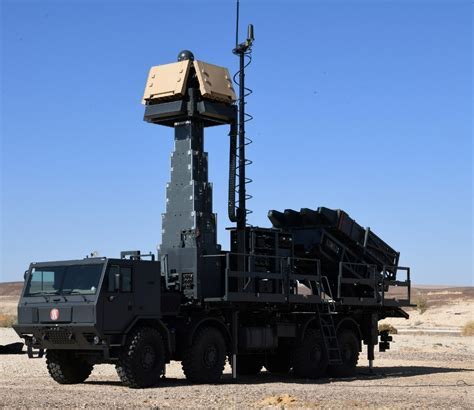
- SPYDER-SR: Equipped with the EL/M-2106 ATAR Radar, a 3D active electronically scanned array (AESA) radar designed to track and engage multiple targets at a distance of up to 110 km.
- SPYDER-MR: Features the EL/M-2084 MMR, a multi-mission radar capable of detecting and tracking targets at ranges up to 250 km. This radar system is also used in Israel’s Iron Dome missile defense system.
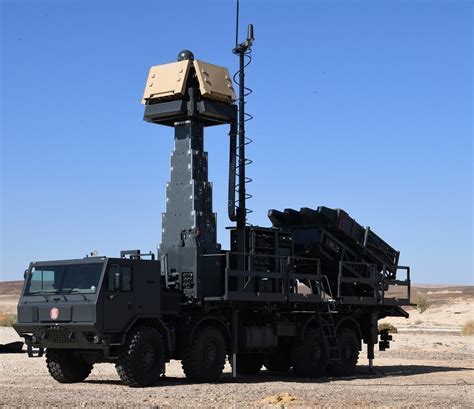
- Launch Platform: The SPYDER is deployed on a variety of mobile platforms, including:
- Tatra 817
- Mercedes-Benz Actros
- MAN TGS trucks
- Scania P-series trucks
- Dongfeng trucks
These trucks provide the SPYDER system with unparalleled mobility and flexibility, enabling it to be rapidly relocated to various defense locations within a short period.
Rapid Deployment and Quick Reaction Time
One of the key advantages of the SPYDER system is its quick reaction time, which is crucial in modern combat scenarios where threats can appear suddenly. The SPYDER system is designed to detect, track, and engage enemy targets within seconds of receiving a threat signal. This speed ensures that it can effectively counter fast-moving targets, such as incoming missiles, aircraft, and drones, well before they reach their intended targets.
The system’s ability to launch multiple missiles simultaneously from a single missile firing unit (MFU) further enhances its effectiveness in dealing with multiple threats in rapid succession. This multi-target engagement capability makes SPYDER a highly effective tool for defending high-value assets in volatile regions.
Operational History and Proven Success
Since its introduction, the SPYDER system has proven its capabilities in several high-profile defense scenarios, reinforcing its reputation as a reliable and advanced air defense solution.
- 2008 Russo-Georgian War: While unconfirmed, there are reports suggesting that the Georgian military may have deployed the SPYDER-SR system during the conflict. This marked one of the first instances of SPYDER potentially being used in a combat environment.
- 2019 India-Pakistan Border Skirmishes: The Indian Air Force utilized the SPYDER system to successfully intercept and destroy enemy drones near the Indo-Pakistan border, highlighting the system’s effectiveness in combat.
- India’s Mi-17 Incident: The SPYDER system was also involved in a tragic incident when an Indian Air Force Mi-17 helicopter was mistakenly shot down by a SPYDER missile, which was attributed to friendly fire. This incident led to an internal investigation and highlighted the importance of training and operational protocols in using such advanced systems.
Despite this isolated incident, the system’s overall success rate in combat has solidified its place in several national defense strategies.
Global Operators of the SPYDER System
Several countries have adopted the SPYDER system due to its proven effectiveness and cutting-edge technology. These include:
- India: India has been a key operator of the SPYDER-MR system, purchasing 18 batteries in the early 2010s. The system is used to safeguard critical airspaces and protect key military and civilian infrastructure.
- Singapore: The Singapore Armed Forces operates the SPYDER-SR and has successfully integrated it into its air defense network.
- Azerbaijan: Azerbaijan signed a deal to procure an undisclosed number of SPYDER systems in a contract worth over $1.6 billion.
- Czech Republic: The Czech government announced in 2021 that it would purchase four SPYDER batteries, a significant investment that demonstrates the growing global interest in this system.
Other countries, such as Vietnam, Ethiopia, and Morocco, have also made investments in the SPYDER system, further solidifying its position as a global leader in air defense.
Future of the SPYDER System
The SPYDER system continues to evolve with technological advancements. In recent years, Rafael has upgraded the system to counter tactical ballistic missiles, further enhancing its role as a multi-layered defense solution. With the addition of these capabilities, SPYDER is positioned to play a significant role in future defense scenarios, protecting both military and civilian targets from a variety of evolving airborne threats.
Additionally, countries like Romania and the Philippines are considering the SPYDER system as part of their national air defense plans, indicating a promising future for this versatile system.
Conclusion
The SPYDER air defense system is a testament to the innovation and excellence of Israeli defense technology. With its ability to engage multiple types of airborne threats, its flexibility in deployment, and its proven operational success, SPYDER stands out as one of the most advanced short-to-medium-range air defense systems in the world. As more nations continue to invest in cutting-edge defense technologies, the SPYDER system will undoubtedly remain a cornerstone of modern air defense strategies, providing robust protection against increasingly sophisticated threats.
By integrating advanced radar systems, missile technology, and rapid deployment capabilities, the SPYDER system is shaping the future of air defense globally. Its continued evolution ensures that it will remain an invaluable asset for military forces across the world.