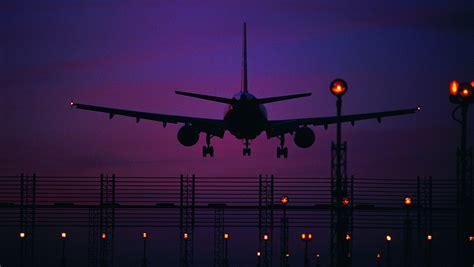
Night time flights—typically scheduled between 20:00 and 06:00—are a unique aspect of modern air travel that offer a distinctive blend of advantages and limitations. These overnight journeys appeal to cost-conscious travelers, business professionals, and long-haul passengers looking to optimize time and comfort. Despite their growing popularity, they come with operational nuances and passenger concerns that warrant careful examination.
Understanding Night Time Flights
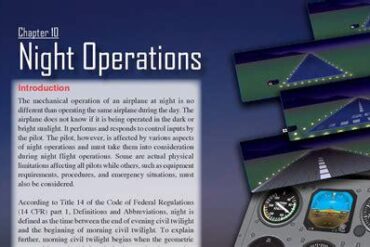
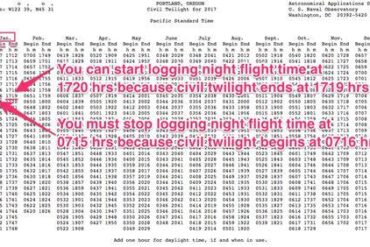
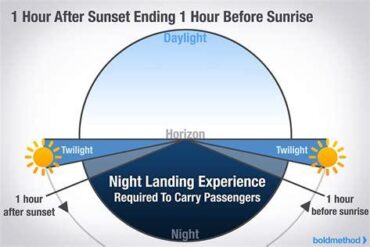
Night flights are defined under the EASA-OPS framework in Europe as operations conducted between the end of evening civil twilight and the beginning of morning civil twilight. These flights are subject to noise-abatement regulations, such as core-night bans in urban hubs like Heathrow and Frankfurt, which aim to minimize disturbance in residential areas.
Airlines often schedule these flights to leverage lower airport congestion, reduced air traffic, and operational cost savings. From a passenger perspective, night flights offer a potentially restful onboard experience and time-efficient travel.

Advantages of Night Time Flights
Reduced Cabin Noise and Crowding
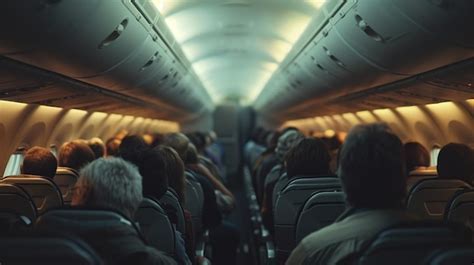
Late-hour departures often mean fewer travelers, resulting in a quieter cabin environment. The subdued lighting and minimal announcements enhance the chance for sleep, especially on long-haul routes.
Cost-Efficiency
Airlines typically price night flights lower due to reduced demand. Budget-conscious passengers can secure better fares on routes where daytime competition drives up prices.
Shortened Perceived Flight Duration
The ability to sleep through the flight helps many passengers perceive time as passing more quickly. For routes like New York to London, travelers can depart in the evening and arrive early enough to begin a business day fresh.
Streamlined Airport Processes
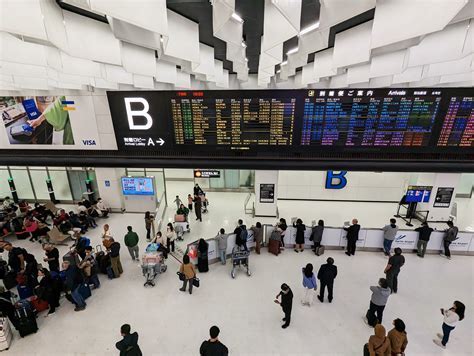
Check-in, security screening, and boarding are often more efficient during night operations due to reduced airport activity. This can translate into lower stress and shorter wait times.
Optimized Arrival Times
Flights landing at early morning hours can allow travelers to begin their day without delay. Business travelers especially benefit from same-day productivity after an overnight trip.
Drawbacks and Passenger Concerns
Despite the clear benefits, night flights are not without trade-offs.
Disrupted Circadian Rhythms
Overnight travel can upset sleep cycles, especially for those crossing multiple time zones. The body’s natural circadian rhythm may take days to adjust, aggravating jet lag symptoms.
Difficulty Sleeping Onboard
Noise, turbulence, cramped seats, or inadequate sleeping accessories can make onboard rest elusive. Even passengers accustomed to sleeping in transit may find reclined seat positions and ambient disruptions challenging.
Reduced Onboard and Ground Services
Night flights often offer limited in-flight meal choices and restricted crew service rounds. Upon arrival, ground transportation options, hotel check-in availability, and airport staff support may be limited.
Fewer Flight Connections
Late-night arrivals or early-morning departures can disrupt onward travel, particularly in regions where connecting flights or ground transport are unavailable during night hours.
Operational Safety Standards
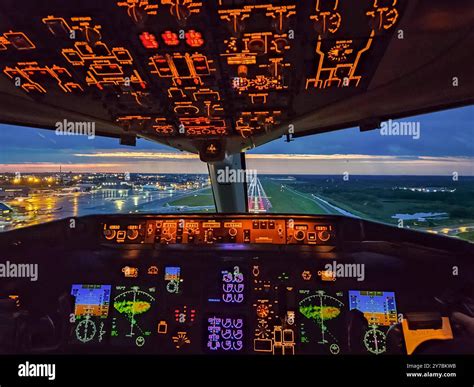
Night flying adheres to identical safety regulations as daytime operations. Airlines operate under 24-hour safety protocols, and statistical data reveals that accident rates do not increase at night. Key factors maintaining safety include:
-
Runway lighting systems calibrated for low visibility
-
Night-certified avionics, including artificial horizons and turn indicators
-
Trained night-rated pilots and crew adherence to fatigue management standards
Travelers’ concerns often center on personal fatigue and reduced alertness during airport transfers or disembarkation, rather than flight safety itself.
Passenger Preparation for Night Flights
To mitigate the challenges of night travel, preparation is critical for both passengers and pilots.
Before the Flight
-
Adjust your sleep schedule gradually a few days before departure
-
Select seats with optimal legroom or privacy (window seats are ideal for rest)
-
Dress in layers and choose loose, breathable clothing
-
Stay hydrated and avoid alcohol or caffeine in the 12 hours before boarding
-
Download entertainment, podcasts, or sleep aids in advance
-
Use online check-in to skip airport lines and reduce pre-boarding stress
-
Arrive early, especially if flying from an unfamiliar or foreign airport
During the Flight
-
Use sleep accessories like an eye mask, noise-canceling headphones, or a neck pillow
-
Avoid heavy meals, opting for light snacks and water
-
Perform light stretches every 90 minutes to reduce thrombosis risk
-
Apply moisturizers and eye drops to counteract dry cabin air
-
Limit screen time or use blue-light filters to enhance melatonin production

Flight Crew and Pilot Readiness
Night-time operations place additional burdens on flight crews, necessitating heightened pre-flight diligence:
-
Review NOTAMs for runway lighting and temporary restrictions
-
Confirm all night-flying instruments are functional (e.g., gyrocompass, artificial horizon)
-
Perform thorough pre-flight inspections with flashlights
-
Anticipate optical illusions caused by reduced visibility or unfamiliar lighting patterns
Airlines schedule adequate crew rest and enforce duty limits in accordance with ICAO and national aviation authority standards. These measures ensure that flight operations remain consistent regardless of the hour.

Compensation for Night Flight Delays
Under EU Regulation 261/2004, passengers affected by delays due to night-flight bans or schedule constraints may be entitled to compensation:
-
€250 for flights ≤1,500 km (e.g., London–Edinburgh)
-
€400 for distances of 1,500–3,500 km (e.g., London–Athens)
-
€600 for flights >3,500 km (e.g., London–Tokyo)
Passengers should keep boarding passes, delay notices, and written airline communication to support compensation claims. Many third-party services also facilitate claims filing in case of dispute.
Environmental and Regulatory Considerations
As aviation authorities strive to minimize environmental impacts, night flight quotas and curfews are increasingly enforced in cities with dense populations. Major hubs like Amsterdam Schiphol and Sydney Kingsford Smith implement strict limits on overnight slots to mitigate noise pollution.
Carriers sometimes restructure schedules to accommodate these restrictions, which can create ripple effects across international route networks.
Conclusion
Night time flights offer a strategic option for travelers seeking cost savings, time efficiency, and more restful journeys. However, these flights also demand heightened preparation, adaptability to limited services, and awareness of biological impacts such as jet lag. Safety standards remain uncompromised, and operational adjustments ensure that the benefits are not overshadowed by inconvenience. With proper planning, passengers can turn night flights into a competitive advantage in their travel routine.
Frequently Asked Questions
Are night flights more dangerous than daytime flights?
No. Night flights maintain the same safety standards as daytime flights. Pilots rely on advanced instruments and illuminated runways to ensure safe navigation. Accident statistics show no increase in risk at night.
Why are night flights often cheaper?
Lower demand, fewer available services, and airport curfews contribute to reduced pricing. Airlines often offer promotional rates on night flights to fill otherwise undersubscribed routes.
How can I sleep better on a night flight?
Choose a window seat, bring an eye mask and neck pillow, avoid caffeine, and use noise-canceling headphones. Adjusting your sleep schedule before departure can also help your body adapt.