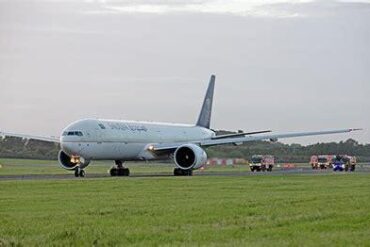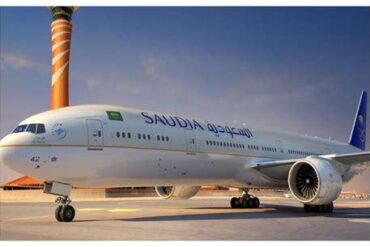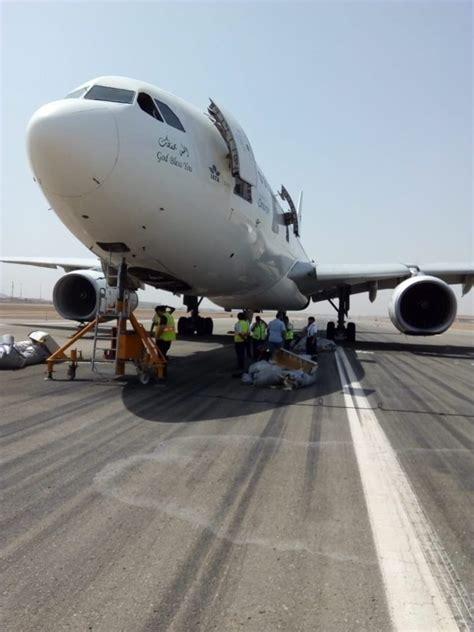
On June 15, 2025, a Saudia Airlines flight traveling from Jeddah (JED) to Lucknow (LKO) faced an alarming situation shortly after touchdown at Lucknow Airport. Smoke was detected emanating from the landing gear area of the Airbus A330, causing immediate concern among passengers and crew. However, thanks to the swift and effective response from both the flight crew and the airport’s emergency team, the incident was handled with utmost professionalism and care, ensuring the safety of all aboard.
Upon landing at Lucknow Airport, ground personnel quickly noticed smoke rising from the aircraft’s wheels. This prompted an immediate alert and response from the Aircraft Rescue and Fire Fighting (ARFF) team. The team coordinated closely with the flight crew to assess the situation promptly. Initial investigations revealed that the smoke originated from a minor hydraulic oil leak within the landing gear system. Despite the potential severity of the situation, there was no fire or structural damage to the aircraft, allowing for a safe deboarding process.
The flight was primarily carrying Hajj pilgrims returning from their spiritual journey, and the situation could have been distressing. However, the efficiency of the airport’s emergency services ensured that all passengers were safely disembarked without any injuries. Ground support teams were prepared to offer assistance, but thankfully, there was no need for medical intervention. Following the initial assessment, the aircraft remained on the ground for further inspection. Once the issue was resolved, the plane was cleared for its next scheduled operation, demonstrating the effectiveness of the maintenance and safety protocols in place.
Saudia Airlines has always prioritized passenger safety above all else. The incident in Lucknow is a testament to this commitment, showcasing how the airline swiftly addressed the hydraulic issue while minimizing disruptions. The airline assured passengers that a thorough investigation would follow to prevent similar occurrences in the future. Despite the scare, operations at Lucknow Airport continued seamlessly, thanks to the rapid resolution of the situation.
The Airbus A330 involved in the incident is a widely used aircraft in Saudia’s fleet, known for its reliability on both domestic and international routes. This wide-body jetliner is typically employed for medium to long-haul flights, making it particularly suited for the busy Jeddah to Lucknow route, which sees a significant influx of Hajj pilgrims. While technical malfunctions can happen in aviation, the incident’s management by Saudia Airlines underscores the airline’s dedication to passenger well-being and safety.
This incident in Lucknow is not an isolated case; similar occurrences of smoke detection in aircraft have been reported globally. For instance, on February 22, 2025, a Delta Air Lines flight from Los Angeles to Sydney returned to LAX after smoke was reported in the rear galley of an Airbus A350-900. The quick actions of the crew ensured the safety of all onboard, highlighting the critical importance of prompt responses in such situations. Additionally, a United Airlines incident on December 28, 2024, where a Boeing 757-300 had to divert due to cockpit smoke, further emphasizes the need for timely crew reporting and effective airport emergency responses.
The recent incidents involving aircraft smoke underscore the necessity of robust safety measures within the aviation industry. The safety of passengers and crew members must remain the highest priority, as demonstrated by Saudia Airlines’ quick response during the Lucknow incident. Effective coordination with airport authorities and emergency services is crucial, as it enables airlines to detect potential issues early and implement emergency protocols efficiently.
Given the high volume of Hajj pilgrims traveling from Saudi Arabia to cities like Lucknow during the Hajj season, it is vital for airlines like Saudia to continue enhancing safety protocols. With many passengers being unfamiliar with air travel, every precaution must be taken to ensure their safety. The Lucknow incident serves as a reminder of the ongoing need for investment in training, maintenance practices, and safety measures to protect passengers effectively.
In conclusion, while the smoke from the aircraft wheels may have initially appeared to be a significant issue, Saudia Airlines’ prompt and effective response ensured that the situation was managed with minimal disruption. The hydraulic issue did not result in any fire or major structural damage, and all Hajj pilgrims were able to disembark safely without injuries or distress. The collaborative efforts between the Saudia flight crew and the Lucknow Airport emergency teams exemplify best practices in aviation safety. This incident highlights the importance of thorough emergency preparedness, ensuring that travelers experience a safe and secure journey, especially during significant events like Hajj pilgrimages.