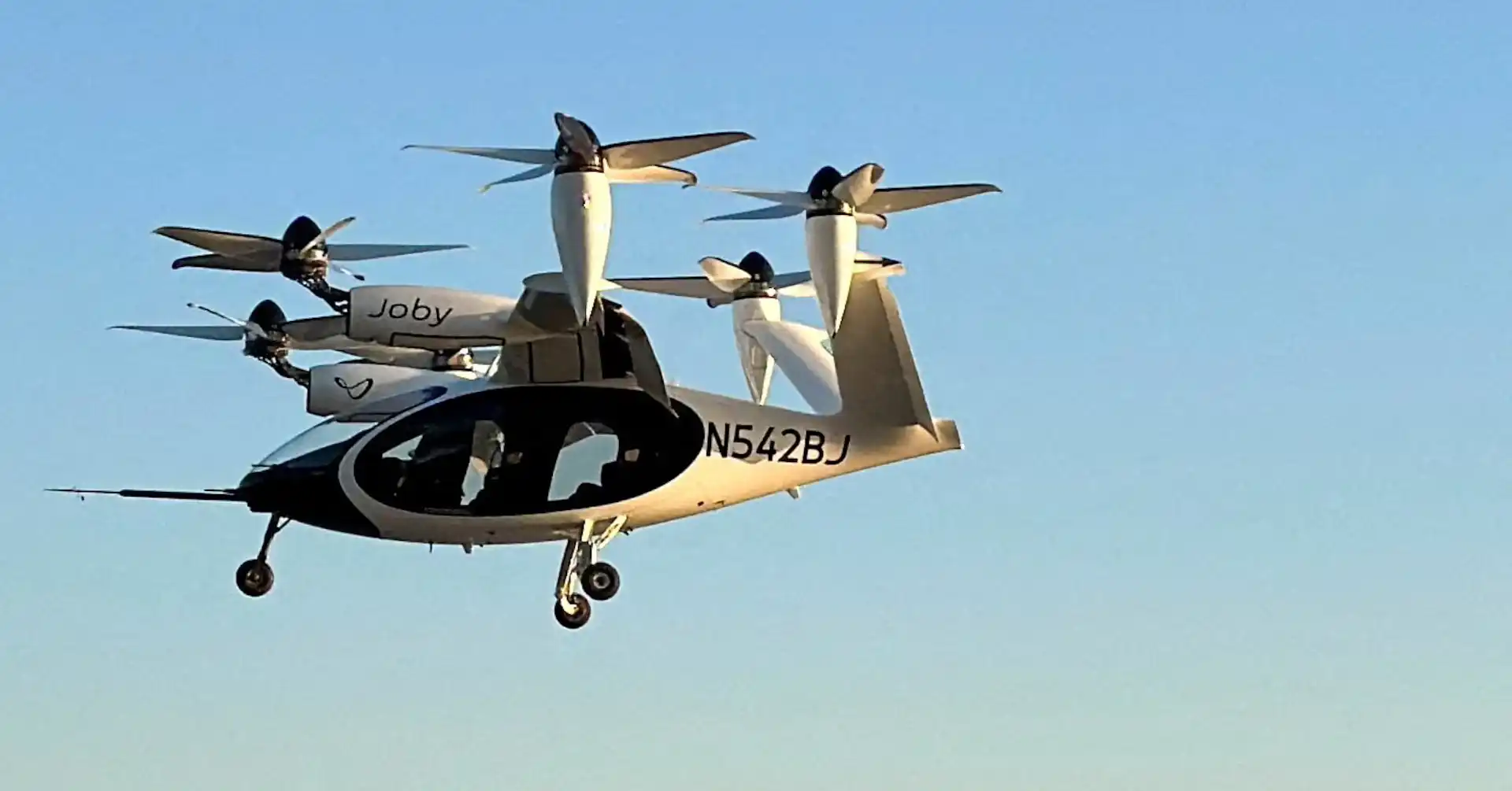
Air taxi aviation is transforming modern point-to-point transportation, creating a rapidly expanding market for skilled pilots who can meet the operational pace of private charter, on-demand services, and emerging electric vertical takeoff and landing (eVTOL) fleets. As the industry accelerates, we see a dramatic rise in career pathways that blend traditional commercial aviation with innovative urban air mobility concepts. The demand is fueled by passengers who value flexibility, time-savings, and direct routes unavailable through legacy airlines, and this shift has made air taxi pilot jobs some of the most dynamic roles in the aviation sector.
Air taxi employers range from Part 135 charter companies operating Pilatus PC-12s and King Air turboprops to federal agencies, drone operators, and next-generation urban air mobility developers preparing for eVTOL deployment. The result is a job environment where pilots can build hours quickly, develop multi-mission skill sets, and access new opportunities that span transportation, surveillance, humanitarian support, and law enforcement. The role requires technical precision, strong decision-making, and the ability to operate in diverse and sometimes challenging environments.
As hiring accelerates, candidates encounter openings in metropolitan commuter corridors, resort and business hubs, and federal operations supporting national security. The field is evolving so quickly that pilot experience requirements, earning potential, and training pipelines are expanding year after year.
Rising Demand Across Charter, Corporate, and Federal Aviation
The air taxi market is shaped by two distinct hiring channels: private and semi-private operators seeking commercial transport pilots, and federal agencies recruiting experienced aviators for specialized missions. Both categories show significant growth as airspace integration and on-demand mobility advance.
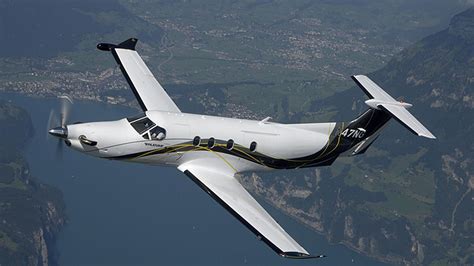
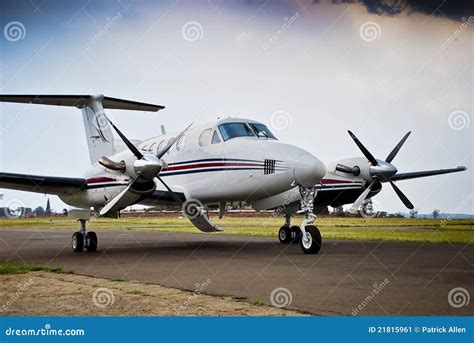
Private air taxi companies—such as regional charter firms, membership-based operators, and shared-flight services—primarily fly high-utilization aircraft like the Pilatus PC-12, King Air B200, and similar turboprops. These aircraft support routes too short or unprofitable for scheduled airline service. The high-frequency nature of these operations allows pilots to build flight hours rapidly while mastering real-world decision pathways involving terrain, weather variability, and unique passenger needs.
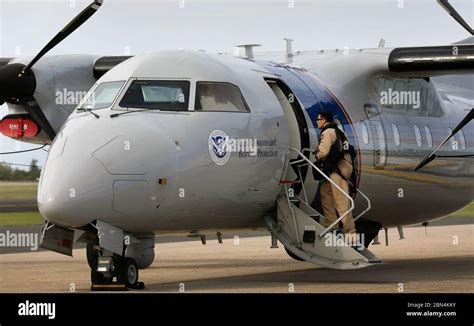
Meanwhile, federal organizations such as U.S. Customs and Border Protection (CBP) and Air and Marine Operations (AMO) are recruiting pilots for missions involving interdiction, surveillance, and national security. These roles differ sharply from civilian air taxi flights, yet they attract candidates with similar foundations: commercial certificates, strong instrument skills, and experience operating in varied flight conditions.
Key Hiring Pathways and Employment Categories
Air taxi pilot employment now spans a series of well-defined categories, each offering different schedules, pay structures, and career progression. Private charter operations remain the core of the sector, but the rise of UAS (unmanned aircraft systems) and federal contracts has broadened the landscape.
Private operators typically hire First Officers and Captains for PC-12 or King Air fleets, offering predictable duty cycles, paid housing in some locations, and benefits that mirror corporate aviation. Companies such as Tradewind Aviation, Northern Jet, and Air Excursions LLC provide structured pathways for low-hour pilots to move into turbine aircraft while working under Part 135 regulations. Many of these roles are based around major business hubs, including New York, Seattle, Orlando, and West Harrison. Annual compensation ranges widely, from $36,000 for entry positions to over $100,000 for experienced Captains.
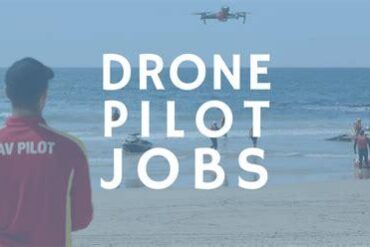
Drone pilot positions, offered by firms like VertDrone Technologies, represent another fast-growing branch within the air taxi employment universe. These pilots handle surveillance, mapping, and remote operations, with hourly compensation between $35 and $50. The rise of drone-based mobility continues to create additional hybrid roles for pilots with both manned and unmanned experience.
Federal and Security-Focused Air Taxi Career Opportunities
Some of the most lucrative and specialized pilot roles fall under federal agencies, particularly CBP’s Air Interdiction Agent program. These pilots operate fixed-wing aircraft, helicopters, and unmanned systems in support of border security, anti-smuggling operations, and surveillance missions. Duty stations extend across Puerto Rico, Florida, Arizona, Texas, and California.
Compensation in these positions is substantially higher than standard air taxi employment, with first-year earnings exceeding $106,000 and rising beyond $182,000 by the third year in designated incentive regions. These roles also include federal benefits such as health coverage, dental plans, retirement packages, Thrift Savings Plan participation, and paid leave. The salary ladder follows a GS-11 to GS-13 progression, with automatic eligibility for promotion after completing required service periods.
Candidates must meet stringent requirements, including FAA commercial certification, dual or single ratings with instrument privileges, or equivalent military ratings. Pilots must show proficiency in night operations, instrument flying, and PIC hours, though some minimums are currently being waived through 2026. Federal air taxi work broadens the mission scope dramatically, merging aviation with intelligence analysis, surveillance, and humanitarian support.
Qualifications and Minimum Requirements in the Air Taxi Sector
Air taxi pilot jobs vary by employer, but most positions require a strong foundation of flight experience and regulatory compliance. Private charter roles generally require commercial certificates, instrument ratings, and time-building experience in complex or turbine aircraft. Many companies accept lower time totals than airlines, making air taxi flying a popular stepping stone for aspiring major airline pilots.
Federal positions, in contrast, set high minimums that include at least 1,000–1,500 total hours, substantial PIC experience, and proficiency in diverse environments. Candidates must hold a current FAA Class 2 or better medical certificate, maintain U.S. residency requirements, and in some cases meet strict age conditions for law enforcement roles. Veterans receive preference for certain positions, and many military aviators transition directly into these jobs.
Because the air taxi industry operates at the intersection of commercial commuting and high-demand mission profiles, the range of aircraft flown is broader than most aviation sectors. Helicopters, turboprops, and drones may all fall under a pilot’s operational portfolio depending on the employer and region.
Compensation Trends and Financial Outlook
The financial structure of air taxi pilot employment has evolved markedly with increased demand. Standard private-sector roles offer daily rates or annual salaries that allow pilots to accumulate hours while maintaining stable lifestyles. For instance, PC-12 First Officers may earn around $450 per day, with Captains exceeding $100,000 annually.
Federal air taxi roles significantly outperform private-sector compensation, especially when factoring in LEAP (Law Enforcement Availability Pay), retention incentives, recruitment bonuses, and special salary rates. Pilots assigned to locations such as Aguadilla, Puerto Rico receive 25% recruitment incentives, pushing first-year salaries as high as $127,906. Additional increases apply at UAS-designated sites such as Sierra Vista or Grand Forks.
The long-term outlook indicates rising salaries across the field as pilot shortages intensify, eVTOL operations expand, and on-demand mobility becomes integrated into major urban centers. Pilots entering now gain early access to a sector poised for multi-decade growth.
Training Pathways and Career Progression
Air taxi operations are designed to support rapid pilot development, making them ideal environments for aviators building the experience required for airline transitions or specialized missions. Structured cadet programs such as the PSA Airlines Pilot Cadet pathway prepare pilots for broader commercial careers while offering clear training pipelines.
Federal programs require far more robust and ongoing training, including mission-specific qualifications, tactical operations assessments, and advanced flight evaluations. Candidates must pass a multi-stage flight assessment prior to entering service. Once hired, pilots undergo regular recurrent training, proficiency checks, and career development modules designed to enhance mission readiness.
For pilots who enter through drone operations, career progression may lead to manned aircraft roles or supervisory positions overseeing UAS fleets. The industry is increasingly hybrid, and pilots with both manned and unmanned hours retain a competitive advantage.
Regional Hiring Hotspots and Geographic Opportunities
Because air taxi operations center around flexibility and regional mobility, hiring clusters emerge in areas with high demand for business travel, tourism, or law enforcement coverage. Seattle, New York, Orlando, Cincinnati, and Fort Lauderdale remain active private-sector hubs.
Federal hiring concentrates heavily along border states and coastal surveillance areas. Tucson, Yuma, Laredo, San Diego, McAllen, and Homestead are among the busiest regions for Air Interdiction Agents. Puerto Rico remains a high-priority territory for recruitment due to active mission requirements.
Candidates should be prepared for relocation, as many roles assign duty stations based on operational needs rather than personal preference.
The Future of Air Taxi Pilot Employment
The air taxi sector is accelerating toward a new era defined by electrification, autonomous support systems, and multi-layered airspace integration. As eVTOL aircraft enter service, pilots will transition into hybrid roles blending traditional skill sets with advanced systems management. This evolution will multiply job categories, expand fleet models, and bring short-range air travel into urban centers.
Experienced pilots will find unparalleled opportunities across training, operations management, safety oversight, and UAS integration. As regulatory frameworks mature, the need for professional pilots capable of interpreting complex airspace systems will continue to surge.
Air taxi employment is no longer a niche field—it is becoming one of the most influential sectors reshaping modern aviation. The combination of rapid growth, competitive compensation, and multi-mission versatility positions pilots to build meaningful, long-term careers with unmatched momentum.