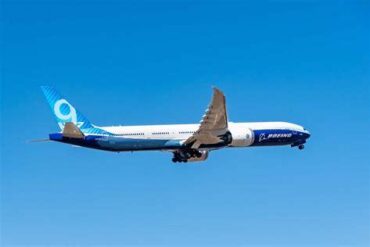
For nearly two decades, the Boeing 777-300ER represented the ultimate combination of luxury, range, reliability, and commercial efficiency. It became the aircraft of choice for some of the world’s most prestigious airlines, carrying premium passengers across continents while generating strong financial returns for carriers operating demanding long-haul routes. From Emirates and Qatar Airways to major Asian airlines, the 777-300ER became a symbol of global aviation ambition.
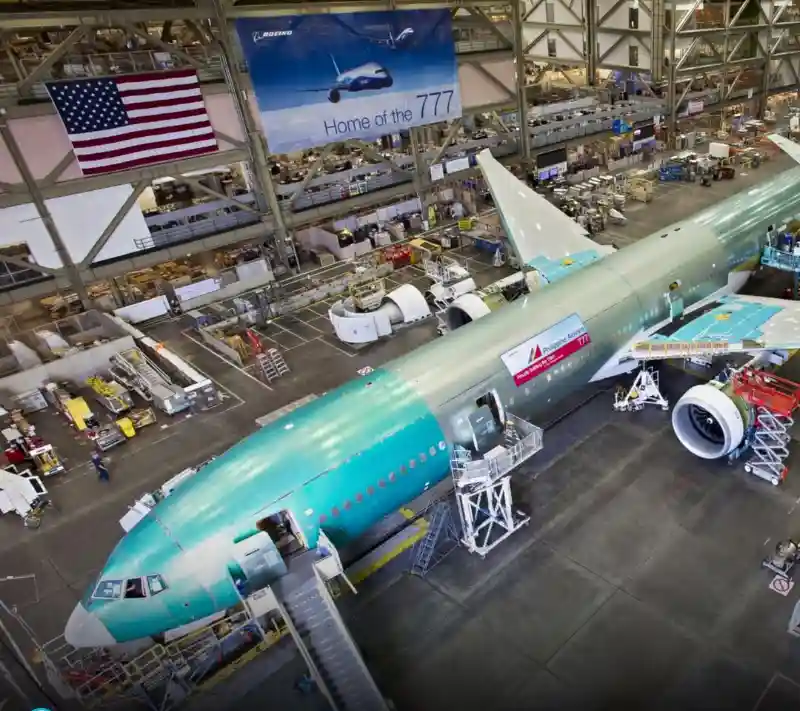
Yet one of the most successful widebody aircraft in modern aviation history has officially reached the end of its production journey. The final Boeing 777-300ER has left the factory, closing a remarkable chapter that transformed the economics of international air travel. The aircraft that once defined the flagship fleets of elite airlines is no longer being built, replaced by a new generation of aircraft designed for a changing aviation market.
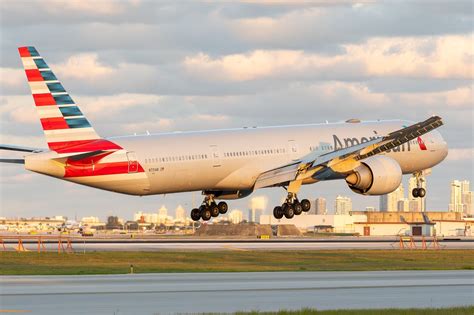
The retirement of the production line does not mark the end of the aircraft’s influence. Thousands of flights will continue to be operated by 777-300ER aircraft around the world for many years. However, the end of manufacturing represents a major turning point, as Boeing moves its attention toward the delayed 777X family, the successor designed to carry the legacy of the iconic twin-engine widebody.
The Rise Of The Boeing 777-300ER As The World’s Long-Haul Flagship
When Boeing introduced the 777-300ER in 2004, the aviation industry was searching for a new generation of aircraft capable of replacing older four-engine jets while maintaining passenger capacity and long-range capability. At the time, Boeing described the aircraft as one of the most advanced commercial airplanes ever developed, combining improved systems, aerodynamic upgrades, and unprecedented engine power.
The aircraft quickly changed airline strategies. Previously, carriers often depended on large four-engine aircraft such as the Airbus A340 and Boeing 747 for high-capacity international routes. However, the 777-300ER demonstrated that a twin-engine aircraft could deliver similar passenger capacity with significantly better operating economics.
The aircraft offered an impressive range of approximately 7,370 nautical miles, allowing airlines to connect major global cities without fuel stops. This capability helped transform long-distance aviation by making routes that were previously difficult to operate financially attractive.
The 777-300ER featured a stretched fuselage more than 33 feet longer than the original 777-200, allowing airlines to install large passenger cabins. In a typical two-class configuration, the aircraft could accommodate around 396 passengers, making it ideal for busy international corridors.
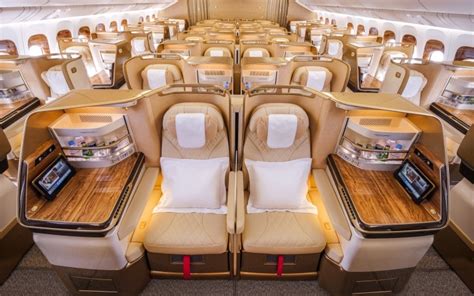
Airlines quickly recognized the aircraft’s advantages. The 777-300ER became especially popular among Gulf carriers and Asian airlines that operated hub-based networks connecting passengers between continents. For airlines such as Emirates, the aircraft became a foundation of global expansion.
Emirates became the largest operator of the type, building a fleet of more than 100 examples. The airline used the aircraft to support its massive Dubai hub, connecting Europe, Asia, Africa, and North America with high passenger capacity and competitive operating costs.
The Power Behind The 777-300ER: The Legendary GE90 Engine
One of the most recognizable features of the Boeing 777-300ER was its enormous General Electric GE90-115B engine. Developed specifically for the aircraft, the engine became a symbol of engineering achievement and remains one of the most powerful commercial jet engines ever created.
The GE90-115B produced approximately 115,300 pounds of thrust, allowing the 777-300ER to carry heavy passenger loads across extremely long distances. The engine’s massive size and distinctive appearance made the aircraft instantly recognizable at airports worldwide.
The combination of the GE90 engine and Boeing’s efficient twin-engine design created a powerful advantage. Airlines could operate routes with lower fuel consumption compared with older aircraft powered by four engines, while still offering premium passenger capacity.
The success of the GE90 also influenced future aircraft development. Boeing used lessons from the engine’s technology when developing the next-generation GE9X, which will power the upcoming 777X. The GE9X eventually surpassed the GE90 in power, producing around 134,300 pounds of thrust and becoming the largest commercial aircraft engine ever built.
However, the GE90 remains one of the defining engineering achievements of modern aviation. For many aviation enthusiasts, the sound and size of the GE90 became inseparable from the identity of the 777-300ER.
Why Airlines Loved The Boeing 777-300ER
The popularity of the 777-300ER was not based only on its impressive specifications. The aircraft succeeded because it solved one of the biggest challenges facing airlines: how to carry more passengers over longer distances while controlling costs.
Its high passenger capacity allowed airlines to maximize revenue on major international routes. Busy city pairs such as London–Dubai, Singapore–New York, and Hong Kong–Europe benefited from an aircraft that could transport hundreds of passengers efficiently.
The aircraft’s twin-engine configuration also provided an economic advantage. Compared with older quad-engine aircraft, the 777-300ER required less fuel and fewer maintenance resources. For airlines operating hundreds of long-haul flights every year, these savings created a significant financial impact.
The aircraft also offered excellent reliability. The 777 family developed a reputation for operational performance, with airlines appreciating its ability to complete demanding long-distance missions consistently.
These advantages helped make the 777-300ER the best-selling variant of the entire 777 family. Boeing delivered 833 examples of the aircraft, making it one of the most successful widebody passenger aircraft ever produced.
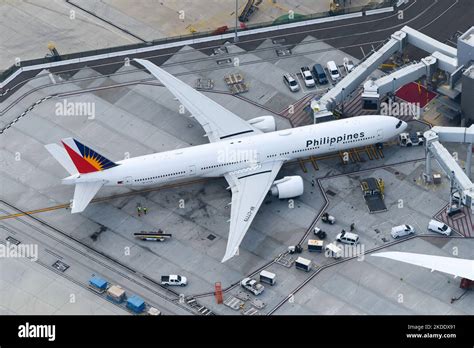
The Final Boeing 777-300ER Delivery Ends A Historic Production Run
The final Boeing 777-300ER delivery represented the conclusion of nearly 20 years of production. Only one aircraft of the variant was delivered in 2024, marking the end of an era.
The final aircraft was delivered to Altavair LP, an aircraft leasing and management company specializing in commercial aircraft assets. The aircraft had originally been associated with an order from China Southern Airlines, but changing market conditions following the COVID-19 pandemic affected the delivery timeline.
Before reaching its final customer, the aircraft remained stored for several years. Eventually, Altavair leased the aircraft to Ethiopian Airlines, allowing the final 777-300ER built to enter commercial service.
The end of production was not caused by a lack of demand for the aircraft. Instead, Boeing had gradually shifted resources toward developing the 777X, a next-generation aircraft designed to replace the 777-300ER with improved efficiency and advanced technology.
The 777X Replaces The Legend, But Delays Changed The Transition
The Boeing 777X was expected to smoothly continue the success of the 777 family. Airlines including Emirates and Qatar Airways placed significant orders, expecting the aircraft to become the future flagship of their long-haul fleets.
The 777X introduces several major improvements, including folding wingtips, advanced composite materials, improved aerodynamics, and the new GE9X engine. Boeing designed the aircraft to provide greater efficiency while maintaining the large passenger capacity that made the 777-300ER successful.
However, the transition has taken longer than expected. The program has faced certification delays, technical challenges, and increased regulatory scrutiny. These issues created a gap between the retirement of the 777-300ER production line and the arrival of its successor.
For airlines, this means the existing 777-300ER fleet remains extremely valuable. Many carriers continue investing in cabin upgrades and maintenance programs because the aircraft still performs well on international routes.
Boeing’s Manufacturing Challenges During A Major Industry Shift
The end of the 777-300ER production also occurred during a difficult period for Boeing. The manufacturer faced supply chain challenges, production disruptions, and labor disputes that affected several aircraft programs.
A major machinists’ strike in 2024 added further pressure to Boeing’s manufacturing operations. Thousands of workers stopped production while negotiating wages and benefits, creating additional challenges for a company already working to improve efficiency and restore customer confidence.
Despite these difficulties, Boeing continues focusing on its future widebody strategy. The company sees the 777X as the next step in the evolution of its successful 777 platform.
The disappearance of the 777-300ER from production does not mean the end of Boeing’s dominance in the long-haul market. Instead, it represents a transition from one generation of aircraft technology to another.
The Boeing 777-300ER Will Remain A Global Aviation Icon
Although new examples will no longer leave Boeing factories, the 777-300ER will continue flying for decades. Its combination of range, passenger capacity, and efficiency makes it one of the most valuable aircraft in airline fleets today.
The aircraft helped redefine modern long-haul aviation. It proved that a twin-engine aircraft could replace larger four-engine jets while offering better economics and operational flexibility.
Passengers will continue experiencing the aircraft on international routes, particularly with airlines that built their global networks around its capabilities. Emirates, in particular, remains closely associated with the 777-300ER, operating one of the world’s largest fleets of the type.
The story of the 777-300ER is ultimately a story of aviation transformation. It was once the future of long-distance travel, then became the industry standard, and finally became a bridge between traditional widebody aircraft and the next generation of commercial aviation.
The aircraft may no longer be in production, but its legacy remains firmly established. The Boeing 777-300ER will be remembered as one of the most important aircraft ever built, a machine that carried the ambitions of the world’s elite airlines and changed the way passengers travel across the globe.