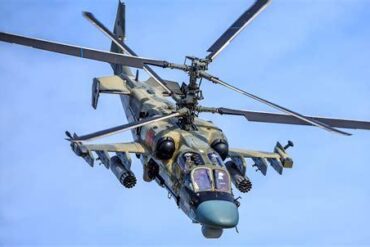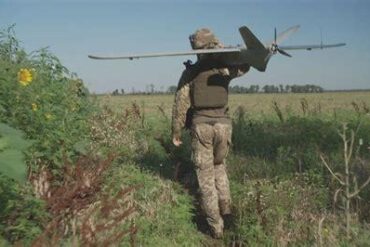
In a staggering escalation of hostilities, Russia has launched its most extensive aerial attack on Ukraine to date, deploying a relentless barrage of drones and missiles that targeted cities and infrastructure across the embattled nation. Ukrainian officials confirmed that 537 aerial weapons, including 477 drones and 60 missiles, were unleashed overnight in what authorities have described as the ‘biggest’ coordinated air assault since the invasion began.
The unprecedented offensive left at least six people wounded, including a child, as critical infrastructure, residential buildings, and industrial facilities were hit across multiple regions of Ukraine.
The Scale of the Assault: Over 500 Aerial Weapons Unleashed
Ukraine’s Air Force reported that a combination of drones, decoys, ballistic missiles, and cruise missiles were deployed by Russian forces in this multifaceted attack. Notably, a significant portion of the drones used were identified as Russian-Iranian Shahed drones, a model infamous for its long-range and loitering capabilities.
Out of the 537 aerial threats detected, 249 were successfully intercepted, while another 226 were neutralized through electronic jamming, preventing them from reaching their intended targets. Despite these defensive efforts, the scale and coordination of the assault overwhelmed Ukraine’s already strained air defense systems.
President Volodymyr Zelensky described the attack as an assault on the very fabric of life in Ukraine. “The Russians were targeting everything that sustains life,” he stated, highlighting the damage to residential zones, utilities, and critical services.
Civilian Casualties and Infrastructure Damage
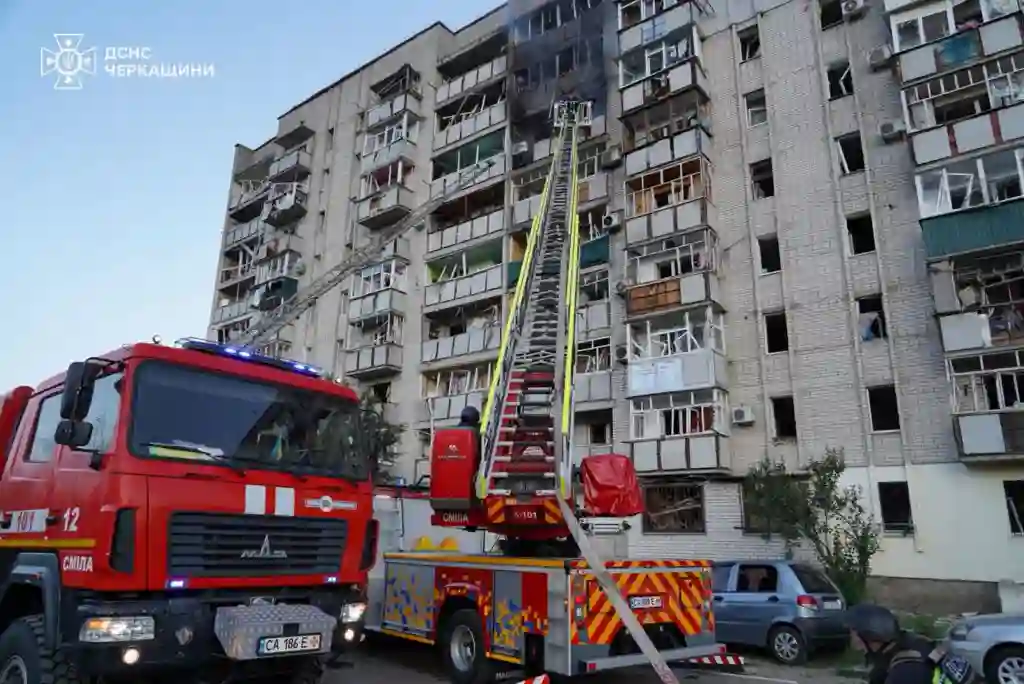
Among the most affected areas was the city of Smila, where a residential building was struck, injuring a child. Emergency responders rushed to assist victims across the nation as air raid sirens blared throughout the night.
The Cherkasy region saw six wounded, while the Kherson region reported one fatality as a result of drone strikes. In the Lviv region, situated in western Ukraine far from the frontlines, a large-scale fire erupted at an industrial facility in Drohobych, leading to widespread power outages.
Local authorities shared harrowing images of charred multi-storey buildings, shattered windows, and displaced residents being evacuated from their homes.
Additionally, industrial sites in Mykolaiv and Dnipropetrovsk were hit, compounding concerns over Ukraine’s economic resilience amid ongoing military pressure.
Heroic Defense and the Loss of an F-16 Pilot
Despite the ferocity of the attack, Ukraine’s defense forces mounted a formidable response using all available air defense assets. Tragically, the night’s defense efforts came at a heavy price with the loss of Maksym Ustymenko, a Ukrainian F-16 fighter jet pilot.
According to the Ukrainian Air Force, Ustymenko engaged and destroyed seven aerial targets during the onslaught, utilizing every onboard weapon at his disposal. His aircraft, damaged during the final interception, began losing altitude. Displaying remarkable composure, Ustymenko managed to steer his jet away from populated areas, sacrificing his life to prevent further civilian casualties.
“Today, he destroyed seven aerial targets. My condolences to his family and brothers-in-arms,” President Zelensky expressed, emphasizing the need for continued investigations into the circumstances of the pilot’s death.
This marks the third F-16 fighter jet Ukraine has lost since the war’s inception, further underscoring the vulnerability of Ukraine’s aerial capabilities against Russia’s escalating attacks.
An Unrelenting Campaign: Escalating Air Strikes Across Ukraine
The assault represents a continuation of Moscow’s aggressive military strategy. In just the past week, Russia has launched over 114 missiles, 1,270 drones, and nearly 1,100 glide bombs at Ukraine, according to Zelensky. The scale of these strikes signals the Kremlin’s refusal to heed international calls for de-escalation.
Zelensky warned that Russia would persist with such massive strikes as long as its resources and capabilities allow. “Putin long ago decided he would keep waging war, despite the world’s calls for peace,” he remarked.
The latest bombardment extended to regions far beyond the frontline, with western Ukraine, including Lviv, experiencing significant disruptions, highlighting the evolving geographic scope of Russian offensives.
Ukraine’s Plea for Air Defense Reinforcements
Ukraine’s leadership has repeatedly emphasized the critical need to bolster its air defense systems, identifying this as the most effective measure to safeguard civilian lives and national infrastructure.
Zelensky reiterated calls for the United States, European allies, and international partners to expedite the delivery of advanced air defense systems, including American-made platforms, to Ukraine. “We are ready to buy them,” he asserted, urging political will and decisive leadership from the global community.
While Ukraine’s current defense apparatus managed to intercept a substantial portion of the aerial threats, experts warn that without enhanced systems capable of countering high-volume, multi-directional attacks, the nation remains vulnerable to further devastation.
Global Implications and Regional Security Measures
The sheer magnitude of the assault triggered responses from neighboring countries. The Polish Air Force, alongside allied nations, scrambled aircraft to secure Polish airspace amid concerns that stray projectiles or electronic warfare interference could extend beyond Ukraine’s borders.
These developments reflect the growing apprehension across Eastern Europe that the ongoing conflict, now in its third year, could spill over into neighboring states, exacerbating regional instability.
A Complex Arsenal: 500 Different Aerial Weapons Utilized
Ukraine’s military confirmed that approximately 500 distinct types of aerial weapons were deployed by Russian forces during the operation. This included a mix of:
- Shahed drones, known for their affordability and precision in targeting infrastructure.
- Ballistic missiles, capable of high-speed, high-impact strikes.
- Cruise missiles, designed for long-range, terrain-hugging trajectories that complicate interception efforts.
Such diversity in attack vectors presents significant challenges for Ukraine’s defense forces, requiring adaptable and multi-layered defense strategies.
In a statement, the Ukrainian military noted, “To repel the massive attack, all available means of the defense forces that can operate on enemy air assets were deployed.”
The integration of drones and missiles into a coordinated strike campaign reflects a calculated effort by Moscow to test Ukraine’s defensive thresholds while inflicting maximum psychological and infrastructural damage.
Conclusion: A Nation Under Relentless Siege
The overnight barrage marks yet another grim chapter in Ukraine’s ongoing struggle for sovereignty amid Russia’s unrelenting military campaign. As the world watches, Ukraine continues to stand resilient but battered, its leadership calling for urgent international support to bolster air defenses and prevent further humanitarian crises.
“This war must be brought to an end — pressure on the aggressor is needed, and so is protection,” Zelensky emphasized, encapsulating the dire need for global unity against escalating aggression.
The latest events serve as a stark reminder of the enduring volatility in Eastern Europe and the high stakes involved for both Ukraine and the broader international community.