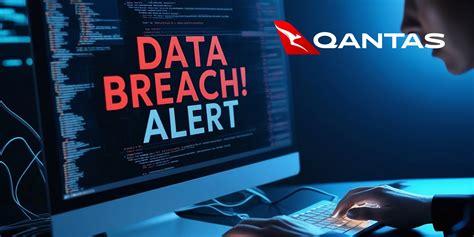
Qantas Airways, Australia’s flagship carrier, has become the latest high-profile victim in a rising wave of cyberattacks targeting the aviation sector. On Monday, July 1, 2025, the airline confirmed that one of its third-party managed customer service platforms had been breached by cybercriminals. The intrusion led to the compromise of personal service records belonging to approximately 6 million customers, though the airline swiftly reassured the public that no critical data such as credit card numbers, passport details, or financial records were exposed.
A Sophisticated Breach That Bypassed Traditional Defenses
The cyberattack was identified as a targeted infiltration into a platform outsourced to an unnamed third-party vendor. Upon detecting unauthorized access, Qantas immediately initiated containment protocols and launched a comprehensive internal investigation. Despite the breach affecting millions of customer records, the airline emphasized that flight operations, booking systems, and frequent flyer accounts remained intact and unaffected.
In a swift response to the incident, Qantas moved to reinforce its cybersecurity infrastructure, deploying enhanced monitoring tools, improving threat detection capabilities, and bolstering third-party risk management strategies. These measures reflect a broader industry shift toward proactive cybersecurity governance, particularly as digital platforms become more embedded in airline operations.
Rising Threats from Scattered Spider: A Looming Menace to Aviation
The breach comes on the heels of a warning from the Federal Bureau of Investigation (FBI) regarding the cybercriminal group Scattered Spider, a highly organized collective known for employing advanced social engineering tactics. According to the FBI, this group has increasingly set its sights on large enterprises, especially those in critical infrastructure and aviation.
Scattered Spider is notorious for impersonating employees or IT contractors, manipulating help desk personnel, and gaining unauthorized access through psychological manipulation rather than brute-force hacking. This form of social engineering, often combined with phishing schemes and credential theft, allows attackers to bypass even robust security systems.

Although there is no formal attribution linking Scattered Spider to the Qantas breach, the timing and nature of the attack align closely with the group’s modus operandi. Their growing interest in the aviation sector has been demonstrated through recent attacks on Hawaiian Airlines and Canada’s WestJet, both of which suffered cyber incidents in June. The cumulative effect of these incidents has elevated alarm levels across global airline networks, prompting increased vigilance.
Third-Party Vulnerabilities: The Weakest Link in Airline Security
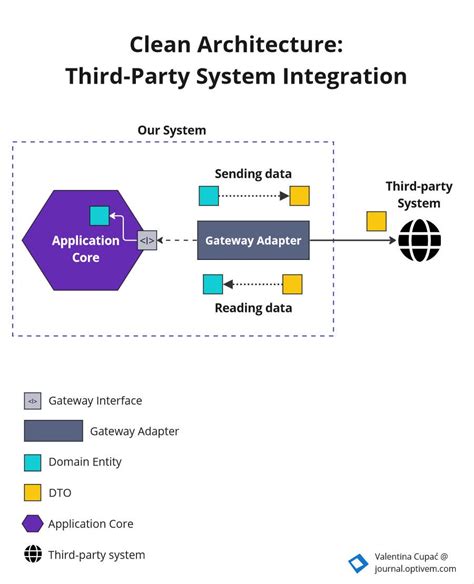
One of the most alarming aspects of the Qantas cyberattack lies in its point of entry: a third-party customer service platform. Airlines, like many large corporations, rely on a complex ecosystem of external providers to support their IT, customer service, and operational infrastructures. While outsourcing offers cost efficiencies and flexibility, it also opens new attack vectors for cybercriminals.
Cybersecurity experts have repeatedly warned that the security postures of vendors and contractors often do not match the rigorous standards of the main organizations they serve. This creates blind spots and exposes sensitive systems to infiltration. The Qantas breach serves as a powerful reminder that cyber resilience must extend beyond internal networks and encompass the entire supply chain.
Qantas Responds With Urgency and Transparency
In the aftermath of the breach, Qantas has adopted a notably transparent and proactive communication strategy. The airline has kept its customers informed, clearly stating that no passwords, payment information, or frequent flyer accounts were compromised. At the same time, it acknowledged the severity of the intrusion and pledged to conduct a thorough review of both internal and external systems.
To restore public trust and reduce the risk of future breaches, Qantas has implemented a multi-pronged response plan that includes:
- Enhanced monitoring of network traffic and system access logs.
- Deployment of advanced detection tools capable of flagging abnormal user behaviors.
- Auditing and reevaluation of all third-party service agreements.
- Training programs for staff and partners to recognize social engineering tactics.
This comprehensive approach reflects a growing understanding in the aviation industry that cybersecurity is not a static measure, but a dynamic, evolving discipline that must anticipate and adapt to rapidly changing threats.
The Aviation Industry Under Siege: A New Era of Digital Warfare
The Qantas cyberattack is far from an isolated event. It fits into a disturbing trend of escalating cyber threats against the airline industry. Over the past 18 months, multiple airlines—including major carriers in North America, Europe, and Asia—have reported data breaches, ransomware attempts, and network disruptions.
This wave of cyber aggression is fueled by the digitization of airline services. From AI-powered booking platforms to real-time baggage tracking and biometric boarding, airlines are increasingly reliant on cloud-based technologies and internet-connected systems. While these innovations enhance passenger experience and operational efficiency, they also expand the attack surface for malicious actors.

Moreover, geopolitical tensions, hacktivist campaigns, and financially motivated cybercrime syndicates have all contributed to the surge in aviation-focused attacks. Airlines, often seen as high-value, high-profile targets, face dual pressure: to maintain seamless digital service while protecting sensitive data across complex networks.
Strengthening Cyber Resilience: What the Qantas Incident Teaches Us
The Qantas breach offers several key lessons—not just for airlines, but for any organization operating within a digitally integrated ecosystem. Firstly, it underscores the critical importance of vetting third-party vendors. Cybersecurity due diligence must be a fundamental component of every outsourcing agreement, with clear accountability clauses and mandatory compliance with industry standards.
Secondly, the incident highlights the need for real-time threat intelligence and continuous monitoring. Static firewalls and legacy antivirus tools are no match for today’s adversaries. Airlines must invest in AI-driven threat detection, zero-trust architectures, and endpoint security solutions that adapt to ever-evolving threat landscapes.
Lastly, this breach is a stark reminder of the importance of organizational readiness and incident response planning. From boardroom executives to frontline staff, cybersecurity awareness must permeate all levels of the enterprise. Training, simulations, and cross-functional response drills are essential to ensuring a coordinated defense in the event of an attack.
Looking Ahead: A Call to Action for the Global Aviation Sector
The attack on Qantas adds urgency to the growing consensus that the aviation industry must elevate cybersecurity to a strategic imperative. Regulators, airlines, technology providers, and cybersecurity firms must collaborate to develop unified frameworks for data protection, risk assessment, and incident response.
As Qantas continues to investigate and fortify its systems, the broader industry watches closely. This incident will likely influence how airlines approach future vendor partnerships, invest in cyber defense technologies, and prepare for inevitable future threats.
Passenger confidence hinges not only on on-time departures and comfortable cabins, but increasingly on the digital integrity of the airline’s systems. In a world where a data breach can travel as fast as a 747, cybersecurity is now as fundamental to aviation as airworthiness.
Final Thoughts: Qantas at a Cybersecurity Crossroads
The Qantas cyberattack is a pivotal moment for Australian aviation and a clarion call for global carriers. It demonstrates that no system, no matter how trusted or seemingly secure, is immune from the reach of sophisticated cyber adversaries. By responding swiftly and transparently, Qantas has taken commendable first steps. But the true test lies in how thoroughly the airline—and the industry—can adapt to this new reality.
To navigate the skies of tomorrow safely, airlines must also fortify the networks they travel through today.