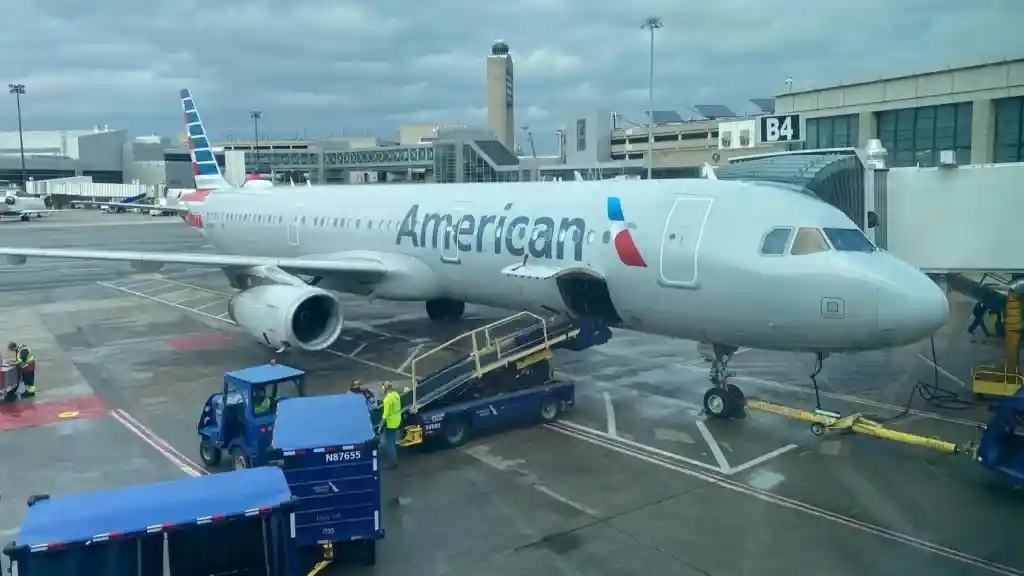
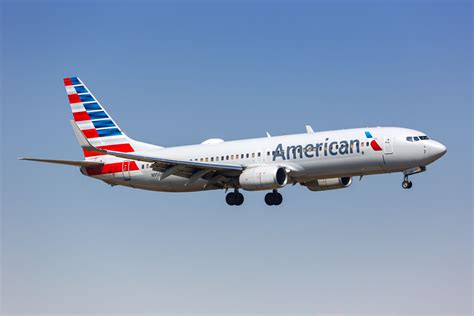
On July 25, 2025, American Airlines responded decisively to a serious in-flight incident involving harassment aboard a flight departing from Dallas/Fort Worth International Airport (DFW). A male passenger, reportedly in his 60s, was swiftly removed from the aircraft following accusations of unwanted physical contact and inappropriate sexual remarks directed at a fellow female passenger. The airline’s prompt action showcases its commitment to passenger safety and onboard professionalism, especially in an era where in-flight behavior is increasingly under scrutiny.
The Incident Unfolds Mid-Boarding: A Flight Turns Tense Before Takeoff
The scene began innocuously enough. A woman, seated on the aisle, engaged in polite conversation with a man occupying the middle seat. Both exchanged brief personal information — she mentioned being married and child-free, while he claimed to have a wife and three daughters. But what began as casual small talk quickly devolved into deeply uncomfortable territory.
The man shifted the conversation’s tone by making unsolicited remarks about the woman’s physical appearance, followed by a condescending comment about her not having children. The situation intensified when he touched her knee, uninvited, during a bout of turbulence and suggested she “hold on to him.” His advances culminated in multiple sexually charged remarks, leaving the woman feeling cornered and powerless in her seat.
Her silence in the moment was not indicative of consent, but rather of a common psychological freeze response in situations involving inappropriate or threatening behavior. Unable to remove herself or confront the man in the confined aircraft space, her anxiety escalated as the interaction continued.
Mechanical Delay Becomes a Silver Lining: Crew Investigates on Ground
As fate would have it, a mechanical issue delayed the aircraft’s departure, providing critical time for flight staff to assess and respond before the plane left the tarmac. Upon receiving a discreet report of the woman’s discomfort, the crew initiated an internal investigation.
The pilot took the extraordinary step of recruiting a male passenger volunteer to sit between the woman and the harasser, providing a temporary buffer while further steps were considered. Flight attendants were informed and remained on alert, fully prepared to escalate intervention if necessary.
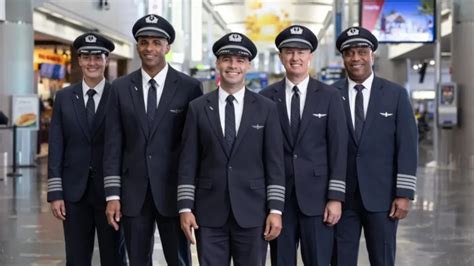
Despite this measured attempt at de-escalation, the man’s behavior persisted. He reportedly directed crude remarks at the pilot seated next to him and began taking unauthorized photos of the woman — an act that exacerbated her distress and violated personal privacy norms.
Official Removal: Airline Staff Take a Stand
Recognizing that verbal interventions and seat reassignment were not resolving the matter, the pilot radioed ahead, arranging for authorities to meet the aircraft. When the situation was reviewed and corroborated by crew testimony and passenger accounts, it was decided that the man would be escorted off the plane.
As this was taking place, another female passenger approached the distressed woman, offered a sincere apology on behalf of the man’s conduct, and informed her of the decision to remove him. The woman was also asked to provide a formal statement for police records, a step crucial for ensuring accountability and accurate documentation of in-flight disturbances.
Passenger Support in the Aftermath: Compassion Amid Crisis
Following the harasser’s removal, American Airlines staff demonstrated exemplary empathy and service. Crew members frequently checked on the woman throughout the remainder of the flight, offering not just snacks and drinks, but also emotional support and reassurance.
In a space where passengers can often feel anonymous and vulnerable, this commitment to follow-through care made a tangible difference in the woman’s experience. Such actions reflect a trauma-informed approach that prioritizes healing and dignity in post-incident interactions.
Behind the Protocol: How American Airlines Handles Passenger Misconduct
According to a spokesperson from American Airlines, the decision to remove the passenger was in full alignment with the airline’s protocols surrounding passenger misconduct and in-flight harassment. The incident is a stark reminder of why comprehensive crew training and swift procedural enforcement are crucial in the airline industry.
American Airlines’ response underscores several best practices:
- Empowering flight staff to make real-time decisions based on safety and well-being.
- Encouraging passengers to report incidents without fear of dismissal.
- Utilizing flight delays and ground time to manage unfolding situations with minimal disruption.
- Collaborating with authorities to ensure due process and follow-up when harassment or criminal conduct occurs.
The airline industry, dealing with nearly 900 million passengers annually in the U.S., must continuously refine these systems to protect its diverse customer base. American Airlines’ management of this situation places it as a model for how to prioritize safety without sacrificing dignity or due process.
A Broader Conversation: Women, Safety, and the Skies
The incident also ignites a broader dialogue about women’s safety in public and semi-private spaces like airplanes. Enclosed environments such as cabins amplify feelings of vulnerability when inappropriate behavior occurs.
Victims may hesitate to speak up due to social pressure, disbelief, or the mere logistics of being in-flight. Recognizing these dynamics, airlines must go beyond reactive measures by proactively cultivating an environment where passengers feel supported and empowered.
In-flight harassment policies, visible reporting channels, and visible signs of support — like a consistent response protocol — are essential tools in making air travel safe for all, especially women who often face a disproportionate share of unwanted advances.
Legal and Social Implications: A Message to Future Offenders
While the man involved in the DFW incident has yet to be publicly identified, he may face criminal charges or civil penalties depending on the outcome of the police report and the woman’s formal statement. Additionally, airlines maintain the right to ban passengers from future travel if their behavior violates federal regulations or company policies.
This serves as a strong reminder that passengers are not anonymous actors — their behavior can carry lasting consequences, both legally and socially. It also underscores a critical point: flight crews have the authority and tools to act in real time, and they will, when boundaries are crossed.
Conclusion: American Airlines’ Response Sets a Safety Benchmark
In an industry where millions of passengers rely on staff vigilance and professionalism, American Airlines demonstrated how fast, empathetic, and structured response can mitigate emotional harm and uphold passenger safety. The removal of the harassing passenger before takeoff prevented a potentially more dangerous scenario mid-air and offered the affected woman both protection and validation.
This incident isn’t just a footnote in aviation news — it’s a case study in effective crisis management and a reflection of how one airline is evolving to meet the safety expectations of modern travelers.
As we move further into an era where accountability and public safety intersect at 30,000 feet, American Airlines’ swift and structured action proves that even in the skies, there’s zero tolerance for harassment, and support for victims is more than just policy — it’s practice.