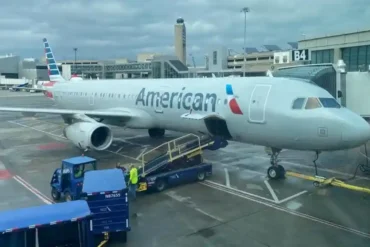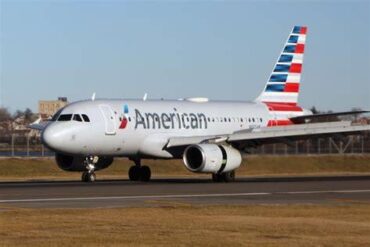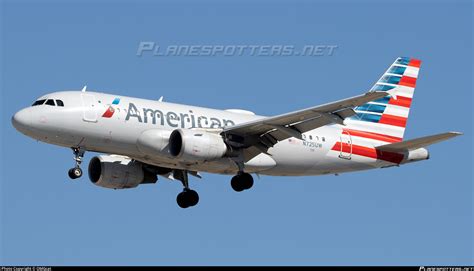
On June 10, 2025, a routine departure from Chicago O’Hare International Airport turned into a high-stakes emergency for American Airlines Flight 2537, scheduled for Tucson International Airport. As the Airbus A319 taxied toward takeoff, a sudden engine malfunction—accompanied by dramatic bursts of flames and black smoke—threatened to spiral into a full-blown disaster. Thanks to the flight crew’s decisive response, the aircraft was promptly returned to the gate, averting a potential catastrophe.
Engine Trouble Before Takeoff Triggers Emergency Protocols
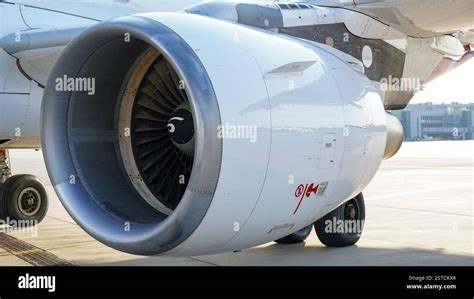
The incident occurred prior to takeoff, as the aircraft was preparing for its scheduled 09:50 local time departure. Witnesses onboard captured viral footage showing flames and dense smoke emanating from one of the engines. While initial reports raised public concern about a potential engine fire, a thorough inspection revealed that no active fire had taken hold. The issue was later categorized as a maintenance-related malfunction, underscoring the crucial role of real-time crew assessments.
The aircraft, despite the startling visuals, was able to taxi under its own power back to the terminal. The crew immediately activated emergency protocols, alerting ground control and mechanics, while keeping passengers calm and informed. All passengers were safely deplaned without injury, and American Airlines began arranging a replacement aircraft to resume the flight to Tucson.
Replacement Aircraft, Delays, and Recovery
The original flight’s disruption caused a notable delay. The scheduled 09:50 departure was pushed back by nearly four hours, with the new aircraft departing at 13:45. Despite this setback, the replacement flight proceeded smoothly and touched down in Tucson at 15:02, a delay of approximately three and a half hours from the original 11:18 ETA.
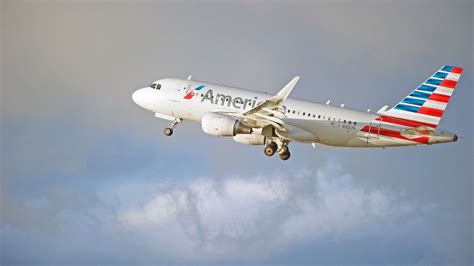
The replacement aircraft was another Airbus A319, nearly identical in configuration to the original. This efficient turnaround demonstrated the airline’s logistical capabilities even under duress. According to FlightAware, the replacement flight climbed to a cruising altitude of 32,000 feet, encountered no further anomalies, and required only four minutes of taxi time before liftoff.
Investigating the Root Cause
Though American Airlines confirmed that the engine problem stemmed from a maintenance malfunction, further specifics remain undisclosed. The airline declined to provide additional comment when approached by Simple Flying, raising questions about what precisely triggered the engine’s burst of flames.
It’s worth noting that the Airbus A319 involved was not new. The aircraft bore manufacturer serial number 1088 and had logged over 25.8 years of service, originally delivered to America West Airlines before being absorbed into American Airlines’ fleet in 2013. The replacement aircraft, serial number 1373, was 24.6 years old, also once part of America West before integration into American’s fleet in 2012.
The Challenge of Operating Aging Aircraft
This event highlights the complex realities of maintaining older airframes within a major airline’s fleet. While the Airbus A319 remains a workhorse in domestic operations, aircraft nearing or exceeding two decades in service present recurring maintenance challenges. Issues such as part fatigue, wear on electrical systems, and component compatibility require meticulous attention.
American Airlines, which maintains one of the largest active A319 fleets in the U.S., must juggle the competing priorities of fleet modernization and cost-effective operation. The company has made investments in newer models like the A321neo and Boeing 737 MAX series, but older aircraft remain a significant portion of short-haul and medium-haul routes.
Events like Flight 2537 reinforce the necessity of proactive maintenance and rigorous inspection cycles. Even when aircraft meet FAA airworthiness standards, small overlooked defects or delayed component upgrades can escalate into frontline safety issues. Given the age of both the original and replacement aircraft, the incident has reignited public debate over the role of aging fleets in modern commercial aviation.
The Human Factor: Flight Crew’s Critical Role in Averting Disaster
The heart of this story lies not just in mechanical systems but in human judgement and training. The flight crew’s rapid, composed decision-making turned what could have been a full-blown emergency into a model case of crisis aversion. By choosing to abort the takeoff and return to the gate immediately after observing engine anomalies, the crew prioritized safety over schedule, upholding the highest standards of aviation protocol.
Their actions were bolstered by seamless communication with ground control, timely involvement of maintenance teams, and calm onboard management of passengers. American Airlines has invested significantly in crew training programs, which include emergency drills, simulated system failures, and real-time decision-making scenarios. These investments clearly paid off in this instance.
This incident stands as a textbook example of how safety protocols, when effectively executed, can neutralize even high-risk scenarios. It also underscores the necessity of continued investment in training and scenario-based readiness for both air and ground personnel.
Broader Implications for Fleet Management and Passenger Confidence
The swift handling of Flight 2537’s engine issue may have avoided disaster, but it has sparked wider scrutiny regarding the ongoing use of aging aircraft within commercial fleets. For airlines like American, which maintain large, diverse fleets across thousands of daily flights, balancing fleet age with operational safety and customer trust is a constant challenge.
Although many aircraft remain safe and airworthy well beyond 20 years of service with proper maintenance, consumer perception often links aircraft age with risk. Incidents like this, even when resolved safely, contribute to growing passenger anxiety over air travel safety—especially when paired with viral videos capturing dramatic visuals.
American Airlines will likely launch an internal investigation into the engine malfunction to determine root causes, examine maintenance logs, and review whether any prior indications were missed. It’s also probable that similar aircraft in its fleet may undergo enhanced inspections in the weeks ahead as a precaution.
A Reminder of Aviation’s Fragile Margin for Error
Every takeoff represents a complex orchestration of systems, people, and procedures. What happened on Flight 2537 is not just a story of averted tragedy—it’s a reminder of aviation’s fragile dependence on precision, both mechanical and human. The margin for error is razor-thin, especially during high-stakes phases like takeoff, and even minor issues can quickly escalate if not addressed instantly.
In this case, the convergence of a seasoned flight crew, a responsive operations team, and a culture prioritizing safety over punctuality delivered a best-case outcome. The fact that no injuries occurred and that passengers eventually reached their destination reflects a robust safety net that performed under pressure.
Still, the aviation industry must constantly learn from such incidents. From reviewing maintenance strategies for aging aircraft to refining crew communication protocols, every layer of this event holds lessons to fortify future responses. As commercial air travel continues to rebound and scale in the post-pandemic world, vigilance and preparedness will remain the twin pillars of passenger safety.
Conclusion: A Well-Handled Scare With Important Lessons
American Airlines’ handling of the engine issue on Flight 2537 serves as a powerful example of crisis management done right. With no injuries, a swift replacement flight, and professional coordination across departments, the incident ultimately reinforced the carrier’s commitment to safety. Yet it also shines a light on the persistent maintenance demands of aging fleets, and the increasing scrutiny airlines face from passengers and regulators alike.
In the months ahead, further revelations about the exact cause of the malfunction may help shape future safety protocols. What is certain now is that a potential disaster was averted, thanks to fast thinking, competent execution, and a deep reservoir of training—all of which passengers, whether they realize it or not, rely on every time they board a plane.