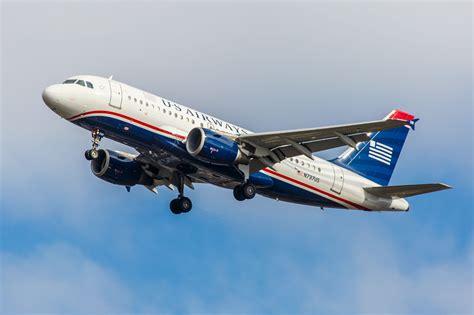
US Airways, a name that once resonated through airport terminals across the United States and beyond, now exists primarily in the annals of aviation history and the memories of those who flew its routes or wore its uniform. Though the airline officially ceased operations in 2015 after its merger with American Airlines, its story is a complex tapestry woven with threads of ambitious expansion, periods of financial turbulence, moments of extraordinary heroism, and a passenger experience that often elicited a spectrum of reactions, from deep loyalty to profound frustration. Understanding US Airways means looking back at a carrier that played a pivotal role in shaping the modern American aviation landscape, leaving behind a legacy that continues to be discussed and debated by aviation enthusiasts and former passengers alike.
The airline’s identity was not static; it was a product of numerous mergers and acquisitions, each contributing to its evolving character and operational footprint. For many, US Airways was the hometown airline, particularly in its key hub cities, while for others, it was simply a means to an end, a carrier that, for better or worse, got them from point A to point B. Its ultimate absorption into American Airlines marked the end of a distinct brand, but the experiences, aircraft, and even some of the corporate culture have, in subtle ways, influenced its successor.
This exploration delves into the multifaceted world of US Airways, examining its historical trajectory, the nuances of its passenger experience, the aircraft that bore its colors, and the significant events that defined its public image. We will navigate through recollections of its service, from the coveted upgrades enjoyed by its most loyal frequent flyers to the critiques of its cabin comfort and operational consistency, painting a comprehensive picture of an airline that, even in its absence, remains a significant chapter in aviation lore.
From All American Aviation to US Airways: A Journey of Growth and Consolidation
The story of US Airways begins not with jets and international routes, but with a pioneering airmail service. Founded as All American Aviation in 1937 by the du Pont family, the company initially specialized in a unique airmail pickup system in the Ohio River valley, where mailbags were snatched by low-flying aircraft using a hook. This innovative, if somewhat rustic, beginning laid the groundwork for future passenger services. By 1949, the airline had transitioned to passenger flights, rebranding as All American Airways, and later, in 1953, as Allegheny Airlines. Allegheny became a prominent regional carrier in the northeastern United States, steadily growing its network and fleet. The Airline Deregulation Act of 1978 was a pivotal moment, opening doors for expansion and increased competition. Allegheny seized this opportunity, rebranding as USAir in 1979 to reflect its broadening ambitions beyond its initial regional focus. This era marked a significant push to establish itself as a major national carrier.
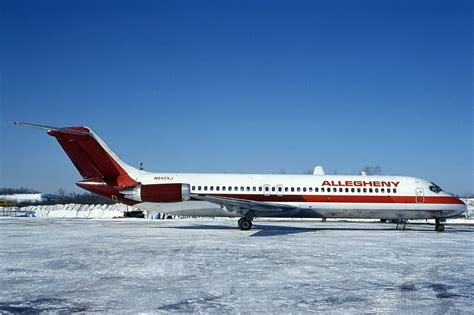
The 1980s and 1990s were characterized by aggressive expansion, largely fueled by strategic mergers. USAir acquired Pacific Southwest Airlines (PSA) in 1987, gaining a strong presence on the West Coast, and Piedmont Airlines in 1989, which significantly bolstered its East Coast network and provided a crucial hub in Charlotte, North Carolina. These acquisitions transformed USAir into one of the nation’s largest airlines but also brought substantial integration challenges, blending different corporate cultures, fleets, and operational systems. The name changed once more in 1997 to US Airways, a move intended to signal its status as a major international carrier with transatlantic routes, primarily to Europe. However, this period was also fraught with financial difficulties, intense competition from low-cost carriers, and labor disputes, leading the airline to file for Chapter 11 bankruptcy protection twice in the early 2000s. A subsequent merger with America West Airlines in 2005, orchestrated by America West’s then-CEO Doug Parker, allowed US Airways to emerge from bankruptcy, with the combined entity retaining the more nationally recognized US Airways name but largely adopting America West’s management and operational style.
Strategic Hubs and Network: Connecting America and Beyond
US Airways operated a hub-and-spoke system centered around several key airports, which became cornerstones of its domestic and international network. Charlotte Douglas International Airport (CLT) emerged as its largest and most dominant hub, particularly after the Piedmont merger. CLT facilitated a massive flow of connecting traffic, linking smaller cities across the Southeast to destinations nationwide and to Europe. While strategically vital, Charlotte’s facilities sometimes struggled to keep pace with the volume, leading to passenger complaints about congestion and, as noted by some former travelers, challenging airport navigation due to signage. Philadelphia International Airport (PHL) served as the airline’s primary transatlantic gateway, offering numerous flights to European cities. It also functioned as a significant domestic hub for the Northeast. The experience at PHL, like CLT, could be a mixed bag, with aging infrastructure in some terminals contrasting with more modern facilities in others.
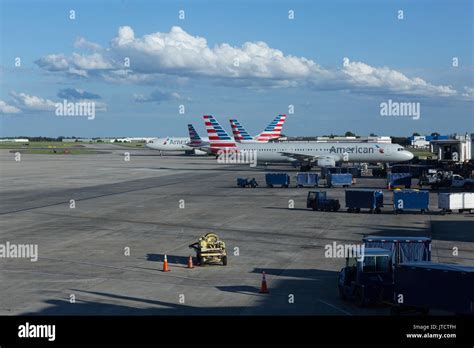
Phoenix Sky Harbor International Airport (PHX) became a key hub following the America West merger, providing crucial connectivity across the western United States and to destinations in Mexico and Hawaii. This hub inherited America West’s strong presence in the region. Ronald Reagan Washington National Airport (DCA) was another important operational base, particularly for the high-frequency US Airways Shuttle service, which connected Washington D.C. with New York LaGuardia and Boston Logan. This shuttle was a lucrative and highly contested market, and US Airways maintained a significant presence there, offering convenience for business travelers. Pittsburgh International Airport (PIT) once held a prominent position as a primary USAir hub, with significant flight operations and a large maintenance base. However, in the early 2000s, US Airways dramatically downsized its Pittsburgh operations, a move that was a significant blow to the local economy and a point of contention for many in the region. This decision, while financially driven from the airline’s perspective, left a lasting negative impression on a community that had long supported the carrier.
The US Airways Passenger Journey: Onboard and On the Ground
The experience of flying US Airways was often a subject of varied commentary, reflecting an airline that, for much of its existence, grappled with integrating different service cultures and managing operational costs in a fiercely competitive industry. Passenger perceptions ranged from satisfactory, particularly for loyal frequent flyers who benefited from its Dividend Miles program, to deeply underwhelming, especially when compared to carriers with a stronger focus on premium service.
Cabin Comfort and In-Flight Amenities: A Spectrum of Experiences
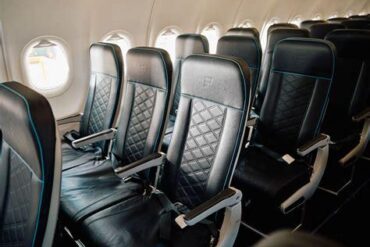
Cabin comfort on US Airways flights could differ significantly depending on the aircraft, route, and era. Many travelers recall encounters with aging aircraft interiors, particularly on some domestic routes, with comments frequently citing cramped seating and worn-out cushions that offered little padding. One passenger specifically mentioned that the “butt cushion was so broken down that it offered no padding,” painting a vivid picture of discomfort on certain flights. The airline’s fleet was a mix of older planes inherited from previous mergers and newer deliveries. On shorter domestic hops, particularly those operated by US Airways Express regional partners using aircraft like the CRJ-900s, the experience was often described as functional but basic. Reports of “narrow but comfortable” planes on specific routes like LAX-PHX-STL suggest that some aircraft configurations were more tolerable than others.
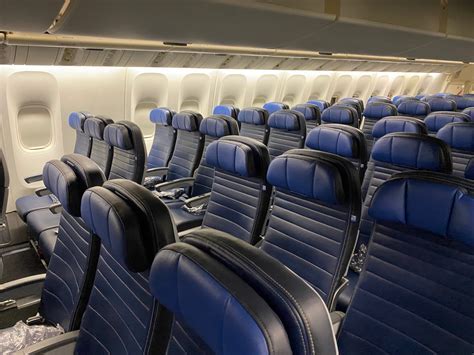
However, there were also instances of more positive experiences. One traveler recounted an A330 flight to Paris from Philadelphia where the economy cabin was sparsely populated, allowing passengers to stretch out across entire rows – a rare luxury. While this was an anecdotal experience likely due to low load factors rather than intentional design, it highlights the variability. In-flight amenities were generally considered standard for a US legacy carrier of its time, meaning they were not typically a standout feature. Transatlantic flights on wide-body aircraft like the Airbus A330 would have offered more comprehensive meal services and entertainment options compared to domestic services. However, US Airways was not generally perceived as an industry leader in in-flight product innovation. The focus often seemed to be on operational efficiency rather than on creating a luxurious or highly differentiated onboard environment, especially in the economy cabin.
Customer Service: From Terminal to Touchdown
Customer service at US Airways was another area that drew a wide range of feedback. For some, interactions were perfectly adequate. A traveler mentioned a positive first flight experience that included a visit to the flight deck, a cherished memory that speaks to moments of genuine warmth and engagement from the crew. Others recalled generally “nice” experiences with nothing “too terrible or so grand” to make a lasting impression. The US Airways Shuttle service, for instance, operating between DCA, LGA, and BOS, was often described as “fine enough,” catering to business travelers who prioritized frequency and convenience over elaborate service. One particularly positive recollection involved the US Airways gate area at New York’s LaGuardia Airport (LGA) in the early 2000s, which was described as “carpeted, updated, and had a decent bar,” contrasting favorably with the perceived “filthy” conditions of American Airlines’ gates at the time.
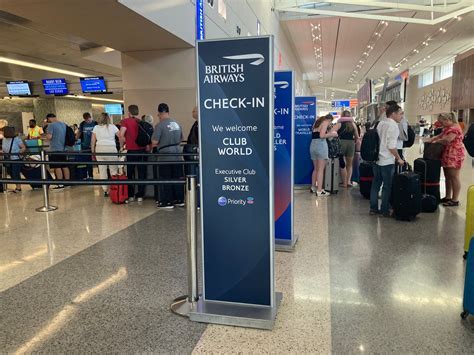
Conversely, negative experiences often centered on operational disruptions and the handling of issues. Lost luggage was a complaint, as one passenger experienced on a flight to Paris, though they did receive a complimentary essentials bag. The infamous nickname “Useless Airways” sometimes surfaced among disgruntled passengers, reflecting frustration with delays, cancellations, or service perceived as unhelpful. Towards the end of its independent existence, as the merger with American Airlines loomed, some observers felt that the airline’s staff seemed “demoralized,” which could have impacted service quality. The overall impression was that of an airline where service could be inconsistent, heavily dependent on the specific crew, station, and the operational pressures of the day.
Dividend Miles: Loyalty and Perks for the Faithful
US Airways’ frequent flyer program, Dividend Miles, was a significant aspect of its relationship with its regular customers. For those who flew the airline extensively, particularly elite members, the program offered valuable perks. One former Chairman Preferred member, the top elite tier, recalled a “96% success rate on upgrades” during their first two years in the program before the American Airlines merger. This highlights the substantial benefits that could be accrued by loyal, high-mileage flyers. This same traveler also fondly remembered a quirk in US Airways’ “terribly coded IT system” that allowed savvy passengers to re-check in and select an open first-class seat, bypassing the standard upgrade queue once check-in commenced. While perhaps not an intended feature, such loopholes were prized by those in the know and added a certain character to the frequent flyer experience.
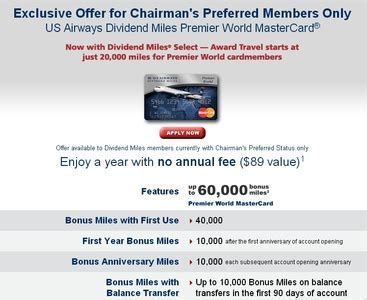
The perceived value of Dividend Miles, like any frequent flyer program, often depended on individual travel patterns and redemption goals. The program offered opportunities for award travel on US Airways and its Star Alliance partners (until US Airways switched to Oneworld shortly before the AA merger). The ease of earning and redeeming miles, and the availability of upgrade opportunities, were key factors in maintaining passenger loyalty in a competitive market. For many East Coast-based travelers, particularly those near US Airways hubs, Dividend Miles was a practical and often rewarding program, fostering a dedicated customer base despite any operational shortcomings the airline might have exhibited.
The Fleet: Workhorses of the Sky and a Beloved Livery
US Airways operated a diverse fleet throughout its history, reflecting its various mergers and evolving network requirements. Mainline operations heavily featured Boeing and Airbus narrow-body aircraft. The Boeing 737 family, including the 737-300 and 737-400 (“734”), were workhorses on domestic routes. Similarly, the Airbus A320 family (A319, A320, A321) formed a substantial part of the fleet, valued for their efficiency and passenger capacity on short to medium-haul flights. For longer domestic routes, including transcontinental services, and some international flights to the Caribbean and Mexico, the Boeing 757-200 (“752”) was a common sight, appreciated by many for its powerful performance. One flyer recalled “a few 757 flying experiences” that were “not great, not terrible,” a sentiment that perhaps captured the typical US Airways experience for many.
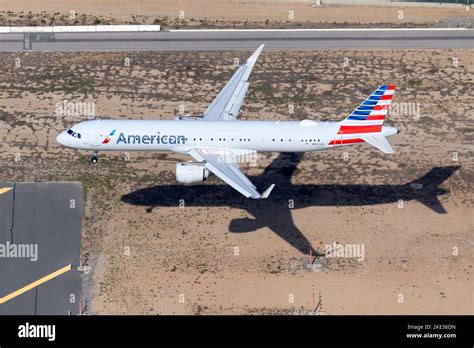
For its flagship long-haul international routes, primarily transatlantic services to Europe, US Airways utilized wide-body aircraft. The Airbus A330, in both -200 and -300 variants, was the backbone of this fleet. These aircraft offered a more spacious cabin environment suitable for extended flight times. In earlier years, the airline also operated Boeing 767s. The regional network, operating under the US Airways Express banner, was served by a variety of smaller jets and turboprops, including Canadair Regional Jets (CRJs) such as the CRJ-200, CRJ-700, and CRJ-900, as well as De Havilland Dash 8 turboprops. These aircraft were crucial for feeding traffic into the main hubs from smaller communities.
Perhaps one of the most consistently praised aspects of US Airways, especially in its later years, was its livery. The final color scheme, introduced after the America West merger but representing the US Airways brand, featured a dark blue fuselage, a stylized American flag on the tail, and prominent US Airways titles. This livery was widely regarded as elegant, modern, and professional. Comments like “sexiest livery ever!!!” and “Always thought their last livery was beautiful on any equipment it was painted on” were common among aviation enthusiasts. This striking visual identity gave the airline a distinct and sophisticated presence at airports and in the skies, often standing out positively even when other aspects of the airline drew criticism. The desire to see planes with that livery still flying underscores the aesthetic appeal it held for many.
A Defining Moment: The Miracle on the Hudson
No discussion of US Airways would be complete without acknowledging one of the most remarkable events in modern aviation history: US Airways Flight 1549, famously known as the “Miracle on the Hudson.” On January 15, 2009, an Airbus A320, captained by Chesley “Sully” Sullenberger and First Officer Jeffrey Skiles, departed New York’s LaGuardia Airport bound for Charlotte, North Carolina. Shortly after takeoff, the aircraft struck a flock of Canada geese, resulting in a catastrophic loss of thrust in both engines.
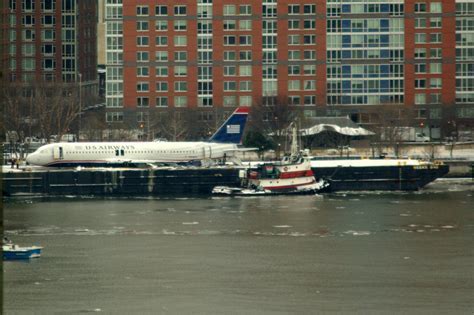
With insufficient altitude to return to LaGuardia or reach nearby Teterboro Airport, Captain Sullenberger made the critical decision to ditch the aircraft in the Hudson River. The skill and professionalism displayed by the entire flight crew – Captain Sullenberger, First Officer Skiles, and flight attendants Donna Dent, Doreen Welsh, and Sheila Dail – were extraordinary. They executed a successful water landing, and their subsequent actions, along with the swift response of ferry operators and emergency services, ensured that all 155 people on board survived. The event garnered international acclaim, and Captain Sullenberger became a national hero. For US Airways, an airline that often faced public criticism and financial struggles, the “Miracle on the Hudson” was a moment of immense pride. It showcased the high caliber of its crew training and the inherent safety of modern aviation, providing a profoundly positive story that transcended the airline’s day-to-day operational challenges. Even those who never flew with the airline or held a negative perception of it acknowledged the “awesome bit of flying” and the crew’s true professionalism.
The Final Chapter: Merger with American Airlines
The landscape of the US airline industry in the early 21st century was marked by significant consolidation, driven by economic pressures, volatile fuel prices, and the pursuit of greater network scale and efficiency. Following the mergers of Delta with Northwest and United with Continental, American Airlines found itself in a comparatively weaker position, eventually filing for Chapter 11 bankruptcy protection in late 2011. Against this backdrop, US Airways, led by CEO Doug Parker (who had previously orchestrated the America West-US Airways merger), saw an opportunity. Parker aggressively pursued a merger with American, arguing that a combined entity would create a more formidable competitor to Delta and United.
After a prolonged period of negotiation, public campaigning, and regulatory review, the merger between US Airways and American Airlines was officially announced in February 2013 and completed in December 2013, creating the world’s largest airline at the time. Doug Parker became the CEO of the new American Airlines Group. The integration process was a massive undertaking, involving the alignment of labor contracts, reservation systems, frequent flyer programs (US Airways’ Dividend Miles was merged into American’s AAdvantage program), and aircraft fleets. The US Airways brand and livery were gradually phased out, with the final US Airways-operated flight, Flight 1939 (a nod to the airline’s founding year as All American Aviation), taking place on October 17, 2015, from San Francisco to Philadelphia, with stops in Phoenix and Charlotte. This flight marked the official end of the US Airways name in commercial aviation.
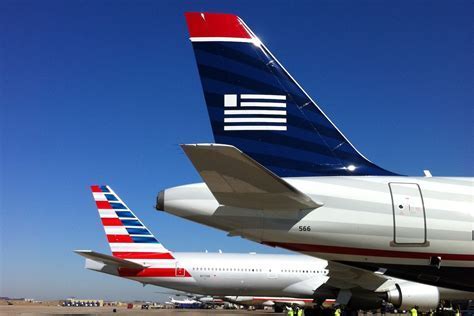
The merger was met with mixed reactions. Proponents pointed to the creation of a stronger, more competitive global airline with an extensive route network. However, some passengers and aviation observers expressed concerns. There were comments suggesting that the merger made American Airlines “less stellar than they were” or that US Airways, itself often described as an “underwhelming airline,” combined with a “mediocre airline (AA)” to create an “equally underwhelming” entity. These sentiments reflect the challenges of integrating two large organizations with distinct cultures and the inevitable disruptions and service adjustments that accompany such a massive consolidation.
Echoes of an Airline: The Enduring Legacy of US Airways
Though the US Airways call sign “Cactus” (inherited from America West) and its distinct liveries no longer grace the skies, the airline’s impact on the US aviation industry and the memories it created persist. Its legacy is complex, a blend of pioneering spirit from its Allegheny days, ambitious growth through mergers like those with PSA and Piedmont, periods of financial struggle, the operational realities of a large hub-and-spoke carrier, and moments of undeniable heroism. For communities like Pittsburgh, the legacy includes the painful memory of a downsized hub, while for Charlotte and Philadelphia, it represents a period of significant growth as key connecting points. Many former US Airways employees transitioned to the new American Airlines, carrying with them their experiences and institutional knowledge.
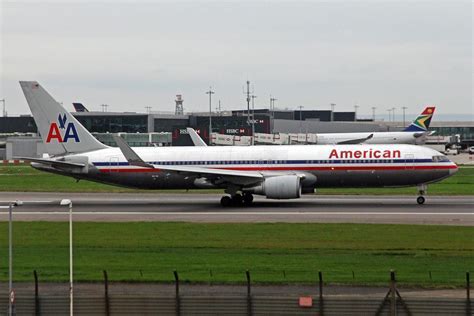
The aircraft that once flew for US Airways continue to fly, repainted in American Airlines colors, a tangible reminder of the integration. The strategic hubs that US Airways built or expanded, particularly Charlotte, remain critical components of American’s network. For passengers, the memories range from cherished first flights and successful upgrades to frustrating delays and cramped seats. The airline’s story serves as a case study in the challenges of airline management, the impact of deregulation, and the relentless drive for consolidation in a capital-intensive and highly competitive industry. The “Miracle on the Hudson” remains its most shining moment, a testament to the skill and dedication that can exist within any large organization, regardless of its broader reputation.
A Complicated Tapestry: Final Thoughts on a Bygone Carrier
US Airways was, without a doubt, an airline that evoked strong and often contradictory opinions. It was a carrier born from a rich lineage of smaller airlines, evolving through decades of change to become a major national and international player. It connected countless passengers to their destinations, facilitated business travel, and took families on vacations. While it may not have always been lauded for luxurious service or cutting-edge innovation, it played an undeniable role in the lives of many travelers and in the fabric of the American airline industry. Its final, elegant livery remains a fond memory for many aviation enthusiasts, a symbol of an airline that, despite its imperfections, carved out a significant and memorable chapter in aviation history before ultimately merging to form part of an even larger entity. The echoes of US Airways continue to resonate, a reminder of an airline that, for a time, was a ubiquitous presence in the American skies.