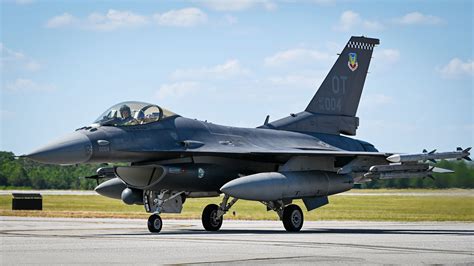
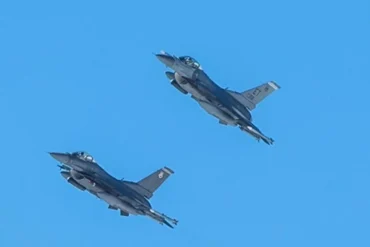
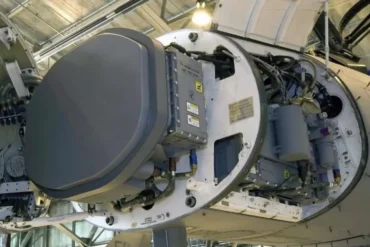
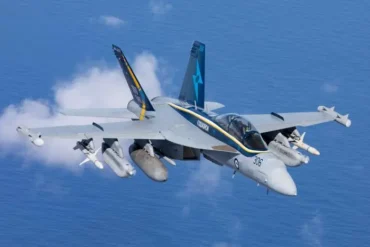
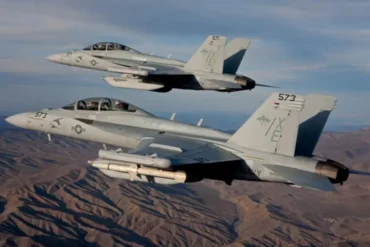
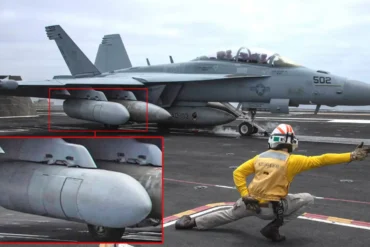
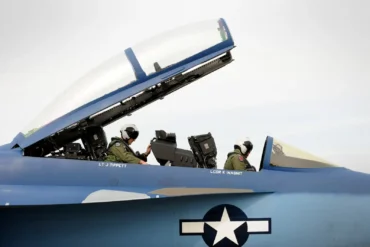
The Integrated Viper Electronic Warfare Suite (IVEWS), designated as AN/ALQ-257, is a cutting-edge electronic warfare (EW) system developed for the F-16 Fighting Falcon. Spearheaded by Northrop Grumman, IVEWS represents a major leap in fourth-generation fighter jet survivability, ensuring operational effectiveness in modern high-threat environments. This system enhances F-16’s ability to detect, jam, and counter advanced enemy radar and missile threats, thereby extending the platform’s relevance well into the 2040s.
Key Technological Features
Ultra-Wideband Architecture and Full-Digital Design
IVEWS is built upon an ultra-wideband electronic warfare architecture, covering an extensive radio frequency spectrum, including millimeter-wave bands. This allows the system to detect, classify, and counter advanced RF threats, such as mobile air defense radars and missile guidance seekers. Its fully digital framework enables real-time signal processing and high-precision geolocation, ensuring rapid and accurate response capabilities without requiring external assistance.
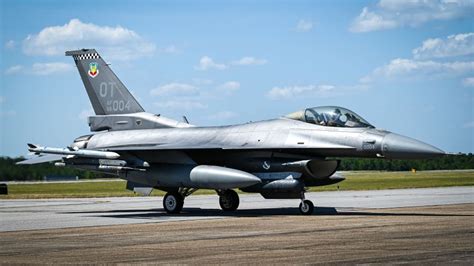
Open-System Architecture and Modular Upgradeability
The system is designed based on an Open Mission Systems (OMS) architecture, ensuring scalability and adaptability. This allows seamless integration of future enhancements, such as fiber-optic towed decoys or adaptive cognitive processing modules, keeping the system at the forefront of electronic warfare advancements.
Seamless Integration with AESA Radar
One of IVEWS’s standout features is its ability to operate in synchronization with the F-16’s AN/APG-83 SABR active electronically scanned array (AESA) radar. Unlike legacy EW systems that can interfere with onboard radars, IVEWS enables pulse-level interoperability, ensuring simultaneous operation without electromagnetic conflicts. This integration enhances both the radar’s situational awareness and the electronic warfare effectiveness of the aircraft.
Internal Integration and Optimized Payload Capacity
Unlike previous pod-mounted EW systems, such as AN/ALQ-131 and AN/ALQ-184, IVEWS is an internally integrated solution. By eliminating the need for external pods, it frees up the centerline hardpoint for additional weaponry or external fuel tanks, significantly improving mission flexibility and combat endurance.
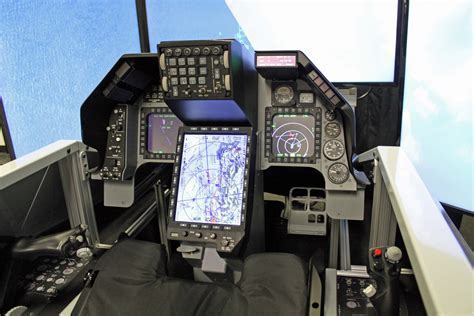
Development Timeline and Testing Progress
Program Milestones
- 2019: IVEWS was officially designated as a critical EW modernization program for the U.S. Air Force (USAF) F-16 fleet.
- 2021: Completion of prototype development and successful environmental safety compliance tests.
- 2022: Entered flight test phase, installed on multiple F-16 test aircraft.
- April 2023: Successfully passed laboratory intelligent verification emulator (LIVE) closed-loop testing, simulating real-world threat environments.
- September 2024: Completion of Joint Preflight Integration of Munitions and Electronic Systems (J-PRIMES) anechoic chamber tests, validating its RF performance and countermeasure effectiveness.
- October 2024: First flight of an IVEWS-equipped F-16 at Eglin Air Force Base.
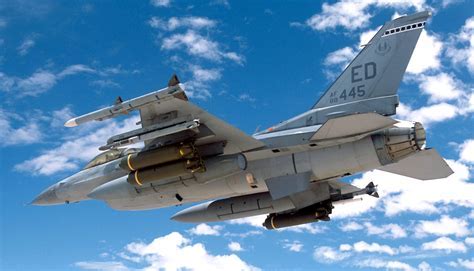
Operational Testing and Simulated Combat Scenarios
During the Northern Lightning 2021 exercise, IVEWS was deployed on a CRJ-700 testbed, replicating complex electromagnetic warfare environments. Additionally, during anechoic chamber evaluations, IVEWS demonstrated robust signal detection and jamming performance against over 20 diverse airborne and ground-based radar emitters.
Performance Enhancements and Battlefield Impact
Fourth-Generation Fighter Capability Boost
With IVEWS, the F-16 achieves electronic warfare capabilities comparable to fifth-generation fighters, such as the F-35’s AN/ASQ-239 electronic warfare suite. Its active jamming functions can effectively disrupt enemy radar lock-on attempts, significantly increasing survivability in contested environments.
Extended Service Life for F-16 Fleet
By modernizing the EW and network-centric warfare capabilities of the F-16, IVEWS ensures the aircraft remains combat-relevant through the 2040s. This upgrade is particularly crucial for U.S. allies operating the F-16, including Turkey, Taiwan, and Greece, as it provides a cost-effective modernization solution compared to transitioning to newer airframes.
Cross-Platform Compatibility Potential
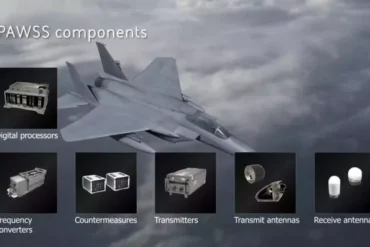
While developed for the F-16, IVEWS features a modular design that allows future adaptation for other fighter platforms, such as the F-15EX, complementing its Eagle Passive Active Warning and Survivability System (EPAWSS) and enhancing overall Air Force electronic warfare integration.
Deployment Strategy and Challenges
Production and Fleet Integration
The USAF aims to equip approximately 450 F-16s with IVEWS, with initial operational capability (IOC) expected in 2025. However, potential budget reallocations toward next-generation fighter programs could impact the deployment timeline.
International Partnerships and Export Prospects
Turkey has already signed agreements to integrate IVEWS into its F-16 Block 70 fleet, marking the first international adoption. As geopolitical tensions drive increased investments in fighter aircraft modernization, other allied nations may follow suit, ensuring standardized electronic warfare capabilities across global F-16 fleets.
Conclusion
The AN/ALQ-257 IVEWS represents a transformational upgrade for the F-16 Fighting Falcon, ensuring enhanced electronic warfare capabilities, survivability, and adaptability in future combat environments. By leveraging state-of-the-art signal processing, modular architecture, and seamless AESA radar integration, IVEWS reaffirms the F-16’s operational relevance well into the next decade. With ongoing testing, production, and international interest, IVEWS solidifies its position as a cornerstone of next-generation electronic warfare for fourth-generation fighters.
FAQ
1. How does IVEWS improve F-16 survivability?
IVEWS enhances situational awareness and defensive capabilities by detecting, jamming, and neutralizing enemy radar and missile guidance systems. It allows the F-16 to operate in highly contested environments with increased survivability.
2. When will IVEWS be fully operational?
Initial flight testing began in 2024, and the first operational units are expected in 2025. Full fleet integration is planned for the late 2020s, depending on budget and production schedules.
3. Can IVEWS be integrated into other aircraft?
Yes, IVEWS is designed with a modular architecture, allowing potential adaptation for other fighter platforms, including the F-15EX and future Air Force combat aircraft.