The cost of flight training is a topic that often generates significant discussion among aspiring pilots. Many factors can influence the price of a flight lesson, such as location, type of aircraft, instructor experience, and more. Understanding how much is considered ‘too much’ for a flight lesson requires careful consideration of these variables, as well as an assessment of personal goals and financial situations.
The Rise in Flight Training Costs
Flight training has always been an expensive undertaking, but in recent years, costs have increased significantly. For many students, this increase has posed a challenge, particularly for those who are already balancing tight budgets. When starting flight training, the costs can feel manageable. A typical lesson might range from $300 to $450 per session, depending on several factors. For example, aircraft type, instructor rate, and the number of hours flown can all impact the final price. However, as flight schools continue to raise their rates, students may find themselves facing difficult decisions about how much they are willing or able to pay.

Factors Affecting Flight Lesson Costs
The cost of a flight lesson is determined by multiple variables, which include:
- Aircraft Rental Fees: Aircraft rental is often one of the largest expenses in flight training. Rates can vary significantly depending on the type of aircraft used. For example, renting a smaller, simpler aircraft like the Cessna 172 will generally cost less than a more advanced plane like a G1000-equipped 172 or an RV-12. Expect to pay anywhere from $130 to $250 per hour for aircraft rental alone.
- Instructor Fees: Instructor fees typically range from $50 to $100 per hour. While this might seem like a minor part of the overall cost, the instructor’s expertise and experience are essential for ensuring effective training.
- Location: Flight training costs are highly dependent on geographic location. Areas with a higher cost of living, such as the Bay Area or major metropolitan regions, tend to have higher flight school rates. In contrast, smaller cities and towns may offer more affordable options.
- Flight School Reputation and Quality: Well-established flight schools with top-notch equipment and highly experienced instructors may charge higher rates, but the quality of training could justify the cost. Students should weigh the value of the instruction they are receiving against the price they are paying.
Is There a ‘Standard’ Rate for Flight Lessons?
While the cost of a flight lesson can vary greatly across the country, some generalizations can be made. On average, flight schools charge between $200 and $250 per hour for a basic training aircraft like a Cessna 172. More advanced or specialized aircraft, such as the RV-12 or a G1000-equipped trainer, may cost upwards of $300 per hour or more.
However, it’s essential to note that these rates can differ significantly depending on where you are located. In regions with higher living costs, such as California or New York, flight training rates can be much higher. Conversely, in more affordable areas, flight training may be available at lower rates.
What Does This Mean for Aspiring Pilots?
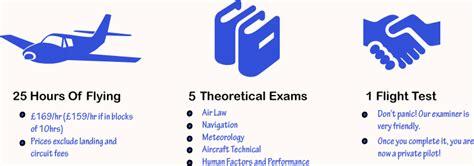
For many aspiring pilots, the financial burden of flight training can be daunting. Training to become a private pilot typically requires 40 to 70 hours of flight time, which translates to a substantial financial commitment. If flight lessons are spaced out too far apart, as they might be for someone with limited financial resources, the overall cost of training can quickly become overwhelming. Delays in training can also result in a slower rate of progress, potentially prolonging the time it takes to reach proficiency.
Strategies for Managing the Cost of Flight Training
There are several strategies that aspiring pilots can employ to manage the costs of flight training effectively:
- Flying More Frequently: While it may seem counterintuitive, flying more frequently can actually save money in the long run. Spacing lessons closer together helps retain skills and builds muscle memory, ultimately reducing the number of hours needed for proficiency. For example, instead of flying once every six weeks, consider taking lessons every two to three weeks to make quicker progress and avoid having to re-learn material.
- Saving for Training: Many students struggle to keep up with the costs of flight training due to inadequate savings. It is crucial to save up a significant portion of the total cost before beginning or continuing flight training. This not only reduces the financial stress of each lesson but also allows students to train more frequently without the burden of worrying about funds.
- Comparing Flight Schools: Shopping around for flight schools in your area can help you find more affordable options. Different schools offer different rates based on the aircraft they use, the experience of their instructors, and the region they are located in. Don’t hesitate to reach out to multiple schools to compare prices and find one that fits your budget.
- Financing Options: If you are committed to pursuing flight training but cannot afford the upfront costs, consider looking into financing options. Some flight schools offer payment plans, while others may help you secure loans or financing through third-party lenders. It’s important to understand the terms of these financing options and how they will impact your long-term financial situation.
When Should You Consider a Different Flight School?
If the cost of flight lessons becomes too high for your budget, it may be time to consider switching to a different flight school. As mentioned earlier, location plays a significant role in determining the cost of flight training, so moving to a more affordable region or finding a less expensive school could help reduce costs. Additionally, if the quality of instruction is not meeting your needs or if the flight school is not providing a positive learning environment, it may be worth looking into other options.
Conclusion
Flight training is a significant investment, both financially and emotionally. As rates continue to rise, it’s essential for aspiring pilots to carefully consider how much they are willing to pay for each lesson and whether the costs are justified by the quality of training. By planning ahead, saving money, and exploring different flight schools and financing options, aspiring pilots can make flight training more affordable and achievable. Ultimately, whether or not the cost of a flight lesson is ‘too much’ depends on individual goals, financial situations, and priorities. However, understanding the factors that influence flight lesson prices can help ensure that you are making an informed decision about your flight training journey.